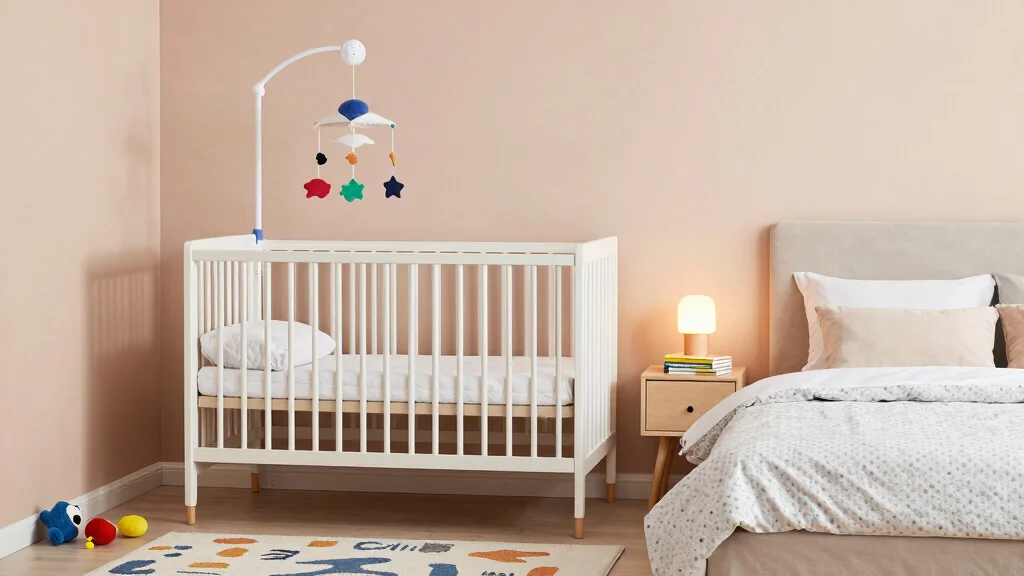
Creating a cozy and functional bedroom that accommodates both you and your little one can feel like a daunting task. With many families opting for shared sleeping spaces, the need for smart and stylish crib in bedroom ideas is more relevant than ever. Whether you’re navigating tiny apartments or simply trying to make the most of your space, this post is here to help you design a room that works for everyone.
If you’re a parent looking for practical and stylish solutions for shared spaces, you’re in the right place. This guide is tailored for parents, caregivers, and anyone who wants to blend nursery needs with bedroom aesthetics. We know you care about creating a functional environment that feels beautiful and welcoming, so we’ve gathered design ideas that prioritize both style and space-saving functionality.
In this post, you’ll discover 17 innovative crib in bedroom ideas that maximize space while enhancing the overall decor. From cozy nooks to multifunctional furniture, these suggestions will inspire you to create a shared room that feels harmonious and inviting. Plus, you’ll find tips that help keep your space organized and stylish, ensuring that both you and your baby enjoy a peaceful retreat at the end of the day.
Key Takeaways
– You’ll learn how to incorporate creative layouts, such as the corner crib and nook setups, to optimize your bedroom space effectively.
– Discover multifunctional furniture options that serve dual purposes, making your room both stylish and practical.
– Explore thoughtful nursery design tips that enhance the overall decor while fitting within your existing bedroom aesthetics.
– Get organized with kids room organization strategies, including vertical storage solutions and open shelving concepts that keep everything tidy.
– Find inspiration in diverse themes, from minimalist to colorful designs, allowing you to personalize the space according to your style.
1. The Corner Crib
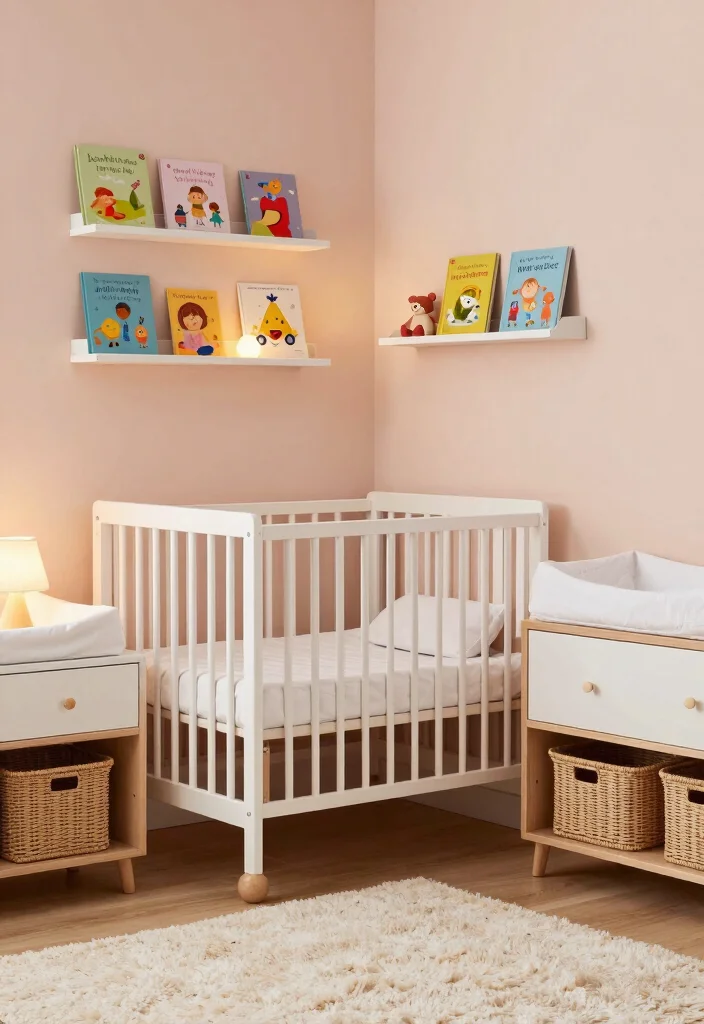
Embracing the corner crib concept can transform snug spaces into cozy sanctuaries. Placing a crib in the corner not only conserves valuable floor space but also offers a sense of security and intimacy for your little one. Imagine the warmth of soft pastels against a backdrop of natural wood accents, creating an inviting atmosphere. Adorn the wall behind with playful art or a splash of color to make the corner a delightful focal point.
To implement this idea effectively, consider thoughtful arrangements and playful decor. Look for budget-friendly floating shelves to conveniently store toys and books without sacrificing space. Incorporating a vibrant accent wall can tie the design together and enhance the overall charm.
Here are some tips for maximizing this layout:
– Choose a crib with an adjustable mattress height for longevity.
– Use soft, adjustable lighting to create a calming bedtime ambiance.
– Incorporate multi-functional furniture like a changing table that also serves as storage.
This approach not only enhances the room’s aesthetic but also utilizes textures and materials to create a harmonious, inviting space.
2. The Multifunctional Furniture
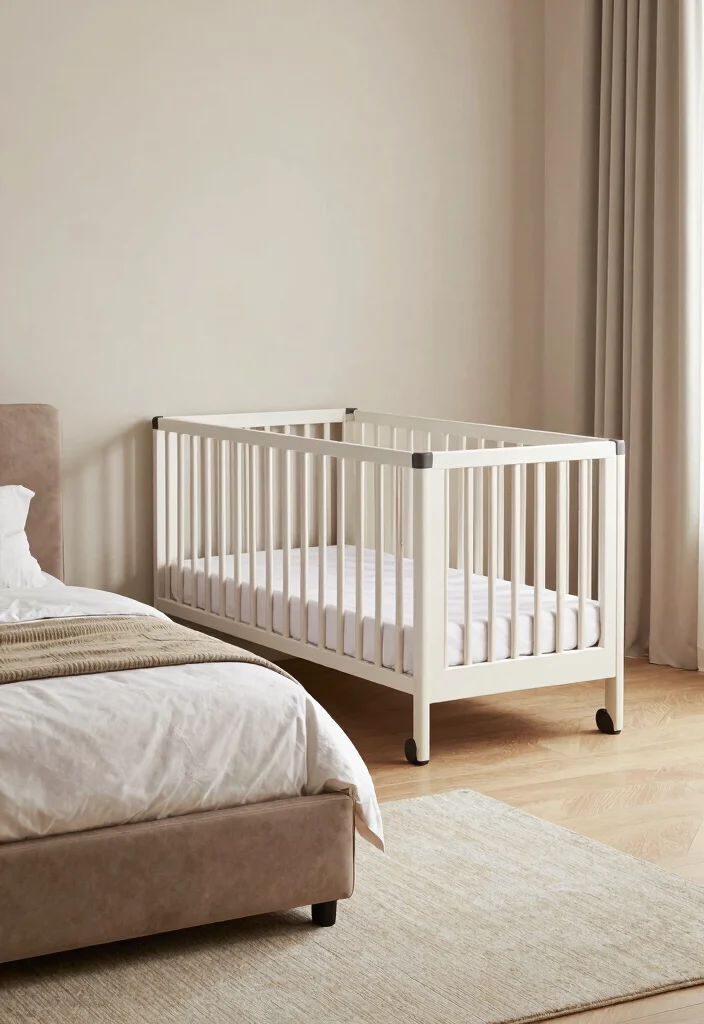
In small spaces, multifunctional furniture becomes a design hero. Opt for a crib that transitions into a toddler bed or a changing table that doubles as a dresser, giving you flexibility as your child grows. This smart choice not only saves space but also adds longevity to your investment.
Consider adding storage ottomans for keeping baby essentials handy, ensuring everything is within reach. Look for budget-friendly options at local thrift stores or online marketplaces to find pieces that fit your decor style without breaking the bank.
Here are some ideas to consider:
– Select furniture with clean lines to create an airy feel.
– Invest in a crib that harmonizes with your existing decor.
– Use decorative storage solutions that blend with your design, keeping organization stylish.
With the right selections, your shared room can be both chic and functional, utilizing every inch effectively.
3. The Shared Bed Concept
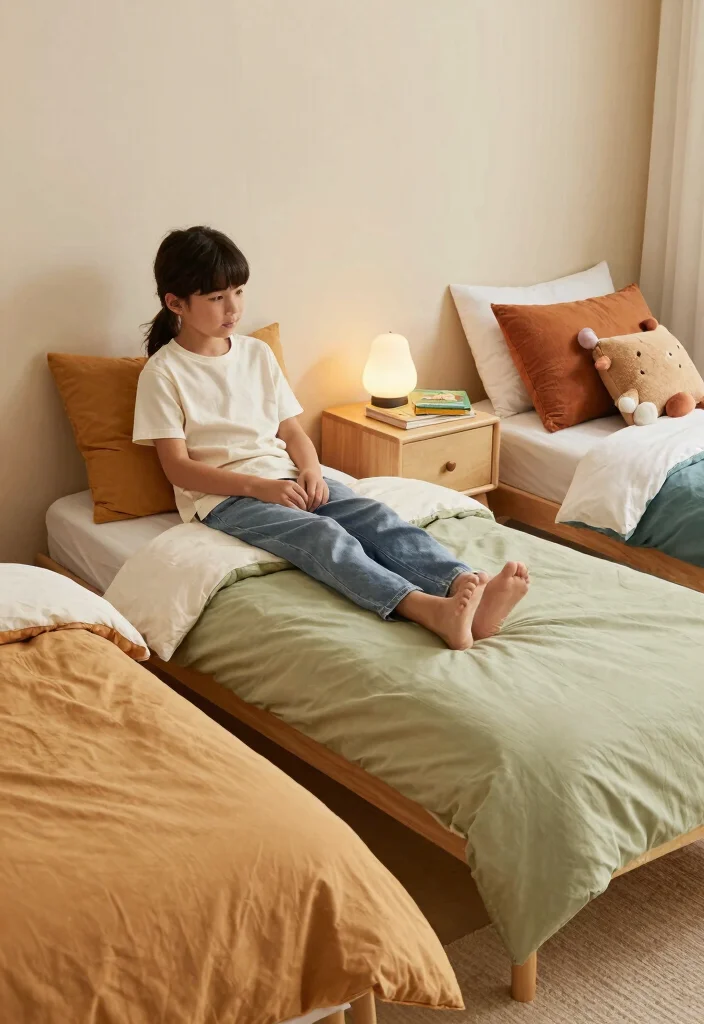
If your little one is ready to transition to a big kid bed, a shared bed layout might be the perfect solution. This setup encourages sibling bonding while saving precious space in the room. Opt for a low-profile bed for safety, and consider adding a crib rail for the younger child to ensure a secure sleeping environment.
Mix and match bedding styles to create personal spaces while maintaining a sense of connection between the siblings. Adding plenty of cushions will enhance comfort and safety, making bedtime a cozy affair.
Here are some things to keep in mind:
– Use staggered bedding styles to define individual spaces.
– Incorporate numerous cushions for added comfort and security.
– Use a shared nightstand for a cozy reading corner filled with favorite bedtime stories.
This arrangement not only nurtures closeness but also fosters a loving atmosphere in their shared bedroom.
How To Choose the Right Crib for Shared Rooms
When you’re setting up a shared bedroom that includes a crib, making the right choice can save space and create a harmonious environment. Below are essential factors to consider when selecting the perfect crib for your shared room.
1. Size
Choosing the right size is critical. Measure the available space in your bedroom before shopping. Cribs typically range from 28 to 30 inches wide and 52 to 54 inches long. Ensure you leave enough room for walking, changing, and accessing other furniture. A smaller crib or a mini crib can be a great choice if you’re tight on space.
2. Style
The crib’s design should blend with your existing decor. Whether you prefer a modern look or a classic wooden finish, choose something that complements your shared bedroom decor. For instance, a white crib can match well with various color schemes, while a dark wood crib can add warmth and elegance.
3. Safety Features
Safety is paramount when selecting a crib. Look for cribs that meet current safety standards, such as those certified by the Consumer Product Safety Commission (CPSC). Ensure the crib has a stable frame and slats that are no more than 2.375 inches apart to prevent any risk of entrapment. Also, consider cribs with adjustable mattress heights for added convenience as your child grows.
4. Multifunctional Options
For shared rooms, multifunctional furniture can enhance usability. Look for cribs that convert into toddler beds or include built-in storage options. This way, you can save space and easily transition as your child grows. A crib with drawers or a shelf underneath can also help to keep the nursery organized, which is key for shared room setups.
5. Budget
Finally, set a budget before shopping. Cribs can range in price significantly based on their style, materials, and features. Determine what you are comfortable spending and seek options within that range. Remember to consider long-term costs; investing in a quality crib that can convert as your child grows may save you money in the long run.
Pro Tip: Don’t hesitate to visit local stores to see cribs in person. This gives you a better feel for the size and sturdiness. Also, check for the latest safety recalls on cribs when making your choice.
Incorporating a crib into a shared bedroom requires careful consideration, but with these guidelines, you can select a crib that balances functionality, safety, and style. Happy decorating!
4. The Nook Setup

Creating a charming nook for your crib can bring a unique touch to your bedroom design. Tucking the crib into an alcove or a cozy nook makes it feel like a special hideaway for your little one. Surround the crib with soft drapes to enhance the sense of coziness and use the wall space above for delightful art or shelves for books.
To maximize this setup, focus on calming colors that promote a peaceful environment. Adding soft lighting such as fairy lights or sconces will further enhance the space’s warmth and charm.
Here are some insights for optimizing a nook setup:
– Use soothing colors to create a tranquil atmosphere.
– Add soft lighting options to enhance the cozy vibe.
– Ensure the nook is well-ventilated and accessible for nighttime needs.
This layout adds character and creates a special sleeping space that your child will love.
5. The Dual Function Play Area
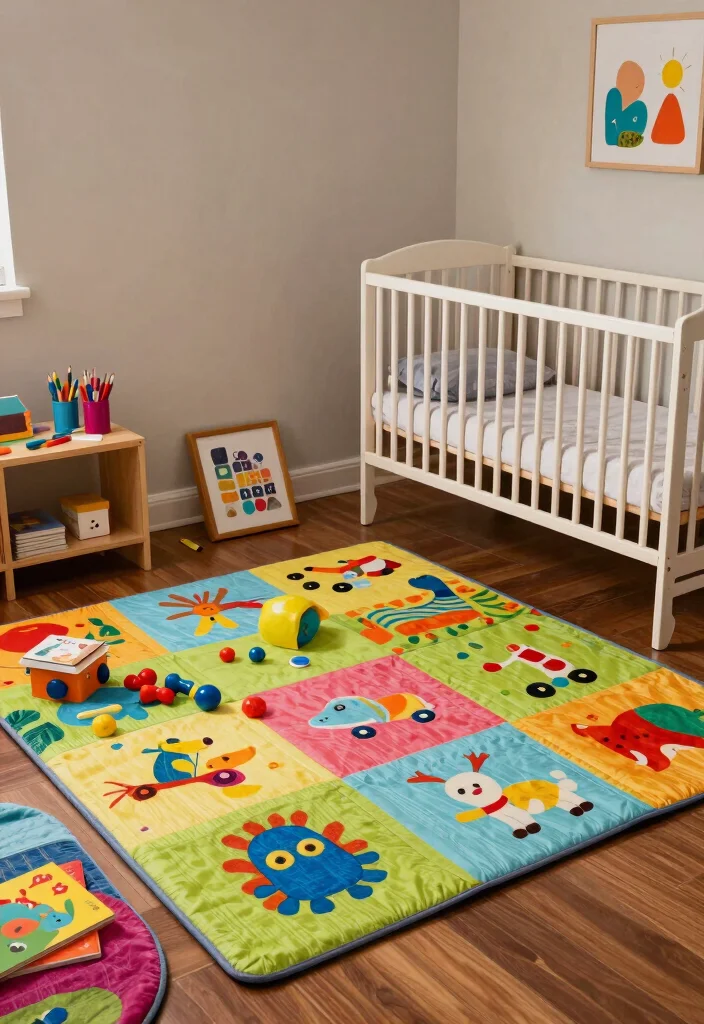
Incorporating a designated play area in your shared bedroom can be both fun and functional. Create a safe play zone in front of the crib that transitions seamlessly into a space for older siblings. This design not only promotes safe play but also allows parents to supervise easily while attending to the baby.
Utilize foldable or stackable storage options to keep toys organized and within reach. A fun patterned rug can serve as a soft play surface while adding visual interest to the space.
Consider these tips for creating a dual-function play area:
– Use stackable bins to keep toys tidy and organized.
– Choose a rug with playful designs to enhance the play area.
– Create a small art corner with accessible supplies for creative activities.
A thoughtfully planned play area fosters development while keeping the space organized and inviting.
Crib in bedroom ideas shared rooms can work wonders: think a soft rug, a safe play zone in front of the crib, and stacked storage for quick toy access. With smart layout tricks, you can supervise baby and older siblings at the same time.
6. Vertical Storage Solutions
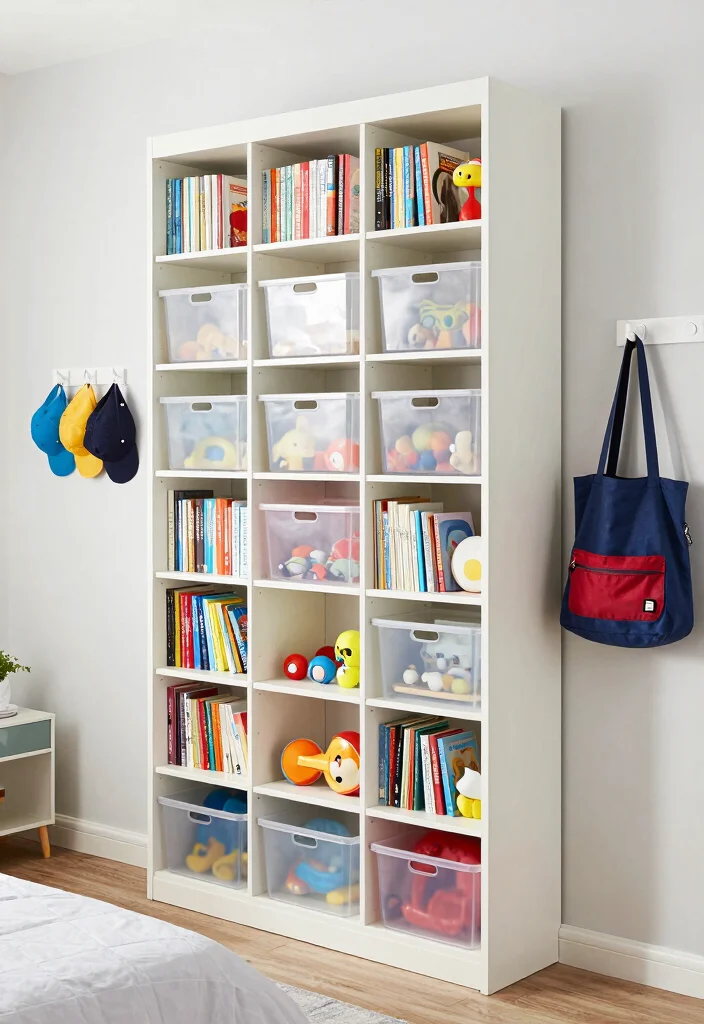
When floor space is at a premium, think vertically! Installing wall shelves or tall bookcases can maximize storage without crowding the room. This approach keeps essentials within reach while leaving ample play space on the floor.
To make the most of vertical storage, try using clear bins on shelves for easy visibility and access. Creating themed sections for activities can help in organizing everything from bedtime to playtime supplies.
Here are some effective vertical storage tips:
– Use clear bins for easy access to items.
– Create designated sections for different activities.
– Incorporate wall-mounted hooks for bags or hats.
With vertical storage, your room will feel larger and more organized, making maintenance a breeze.
7. Layered Lighting Techniques
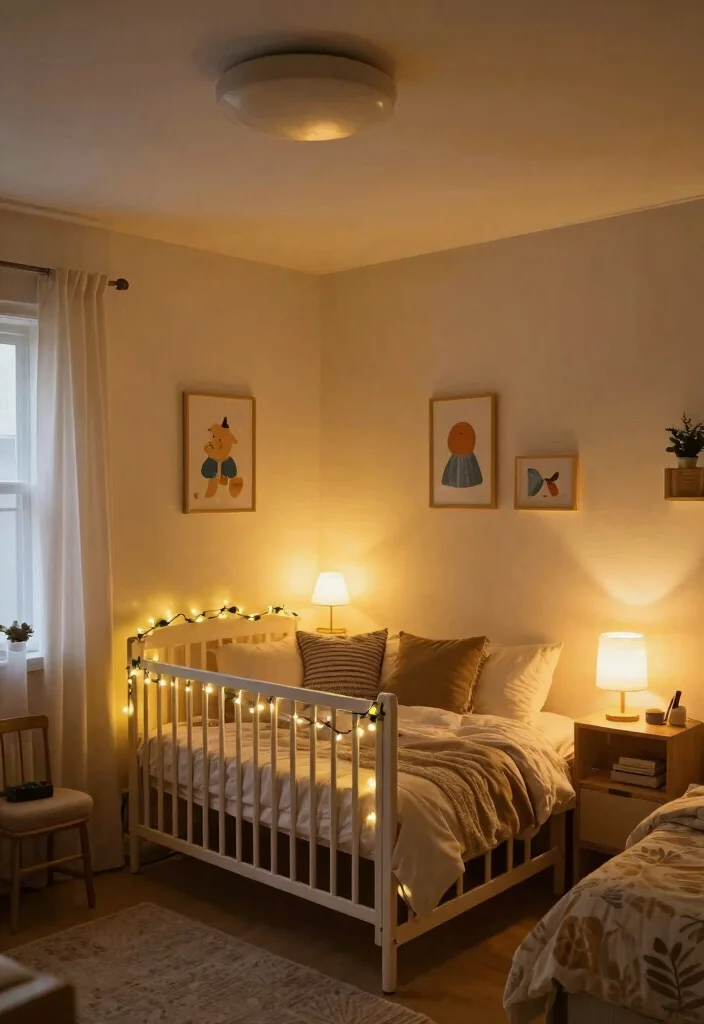
Good lighting is essential for transforming any shared room! Layered lighting—combining various light sources at different levels—creates a warm and inviting atmosphere. Mixing ceiling lights, bedside lamps, and soft string lights helps define spaces and adjust the mood for different activities.
Consider using dimmable lights to easily shift from playtime to bedtime. Nightlights near the crib can provide soft illumination during nighttime feeds, ensuring safety without disturbing sleep.
Consider these lighting strategies:
– Use dimmable options for flexibility in lighting.
– Install nightlights for gentle illumination.
– Incorporate decorative lamps that reflect your style.
The right lighting enhances decor while contributing to a soothing environment, perfect for winding down.
8. The Divider Approach
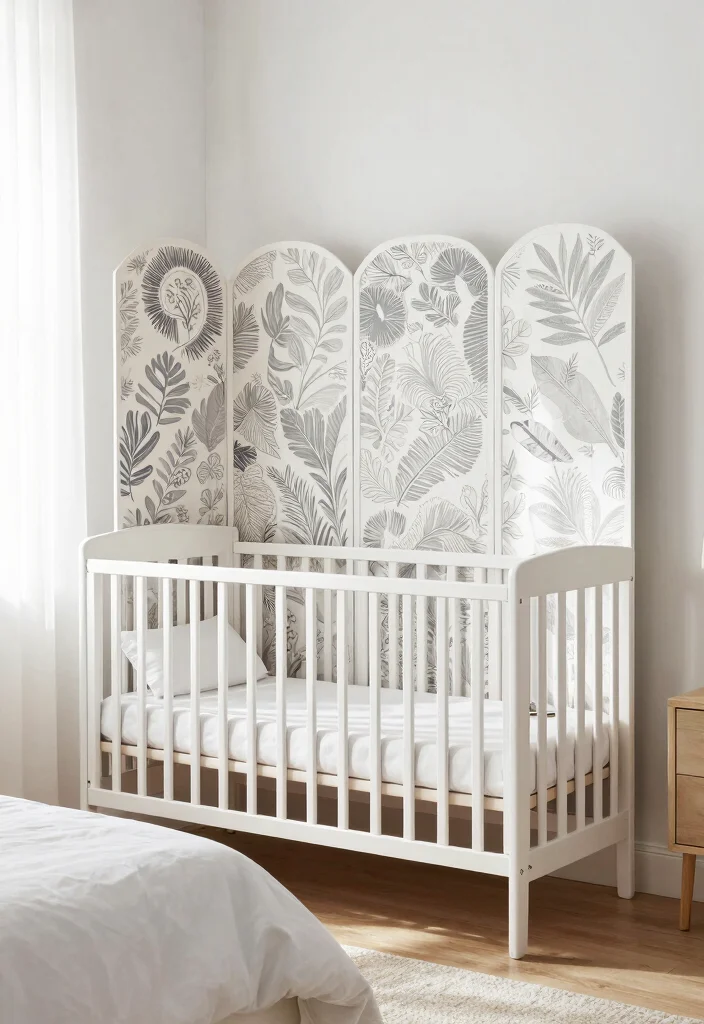
In a shared room, using a room divider can create distinct areas, making the space feel more organized. A stylish screen can serve as a visual barrier between the crib area and adult space, providing privacy and reducing noise.
When selecting dividers, look for lightweight, movable options to easily adjust as needed. Choose decorative dividers that complement your overall decor for a cohesive and stylish look.
Here are some tips for choosing dividers:
– Select lightweight, movable dividers for flexibility.
– Choose decorative options that match your decor.
– Ensure the divider does not obstruct natural light.
A divider can personalize the space for both children and adults, fostering a comfortable environment for everyone.
9. The Colorful Crib Approach
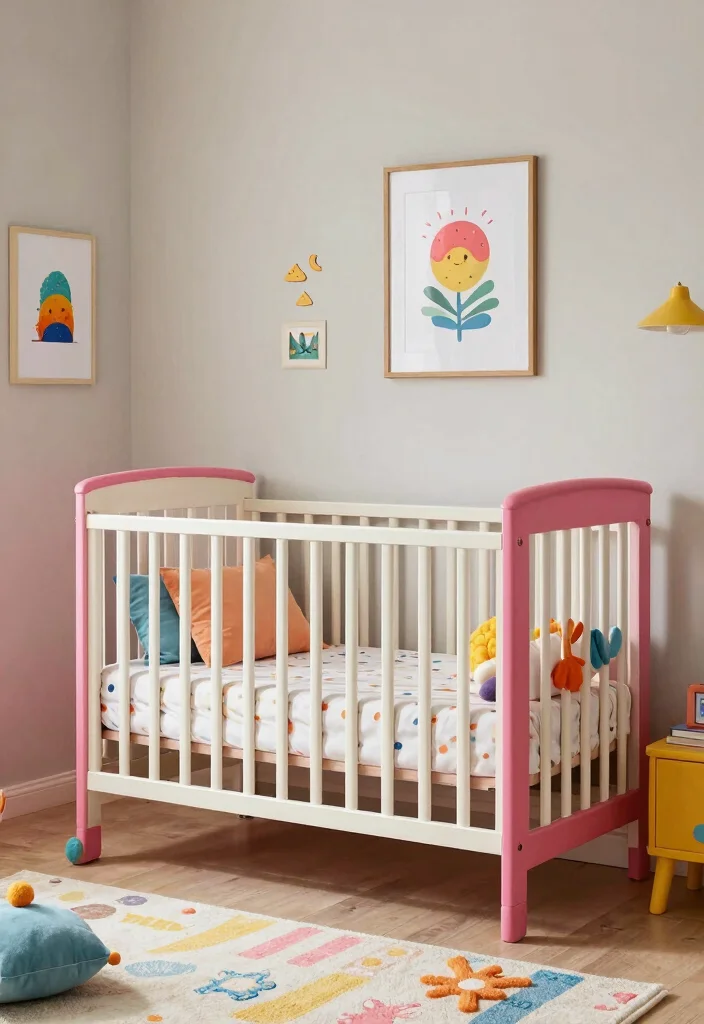
Sometimes, adding a burst of color can completely transform a room! Choose a brightly colored crib or bedding to serve as a joyful focal point. This vibrant choice injects personality into the space, creating a cheerful atmosphere for your little ones.
For a successful colorful crib setup, balance bright hues with neutral walls to maintain harmony. Integrate colorful accessories like pillows or wall art to tie the room together without overwhelming it.
Keep these tips in mind:
– Balance bright colors with neutral walls for harmony.
– Incorporate colorful accessories to unify the design.
– Ensure the color scheme complements existing furniture.
Bright colors not only enliven the room but also inspire creativity and happiness!
10. The Open Shelving Concept
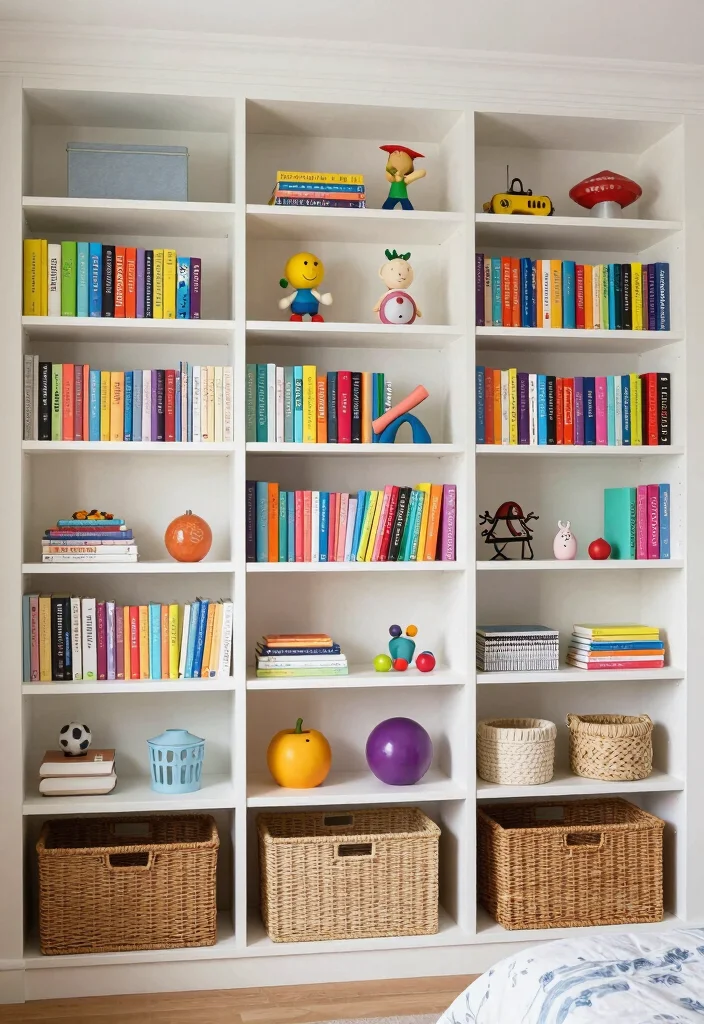
Open shelving is a stylish way to organize toys, books, and decorative items while keeping everything easily accessible. This setup encourages little ones to retrieve their items independently, fostering a sense of responsibility and ownership.
To implement open shelving effectively, arrange items by category for quick access. Use baskets within the shelves for a tidier appearance, and include decorative pieces that reflect your unique style.
Here are some ideas for open shelving:
– Categorize items for easy access—books on one shelf, toys on another.
– Use baskets to maintain a cleaner look.
– Include decorative pieces that showcase personal style.
This approach not only highlights your child’s favorites but also keeps the bedroom organized and visually appealing.
11. The Canopy Crib
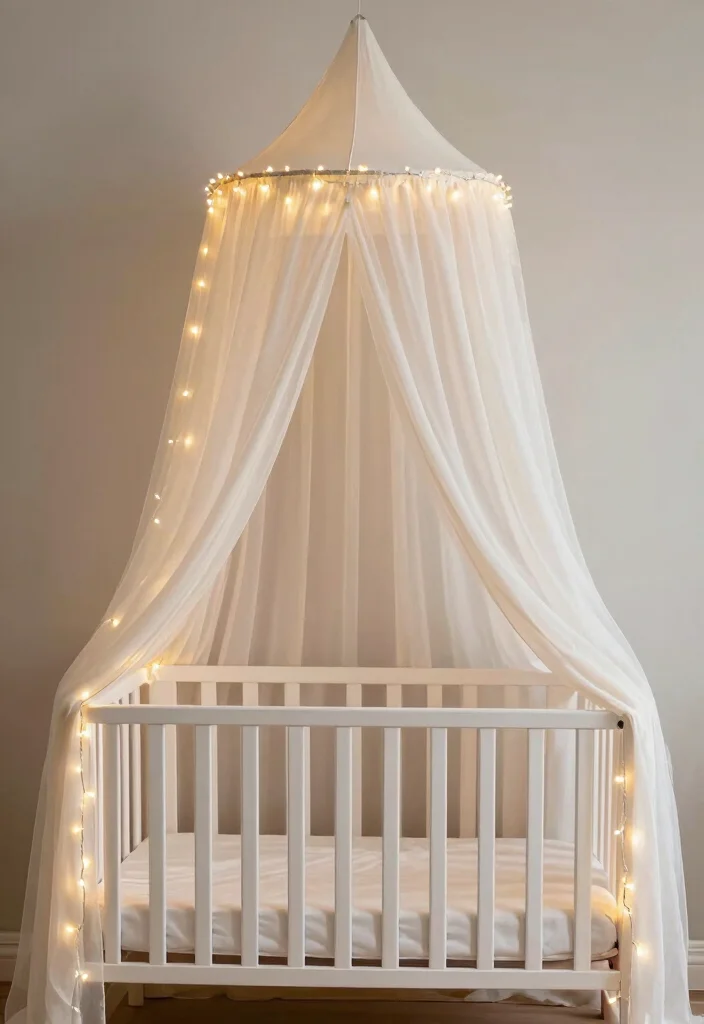
Adding a canopy to a crib brings a touch of elegance and whimsy to your shared bedroom. A fabric canopy transforms the crib into a magical retreat, providing a soft, comforting vibe for your little one.
Opt for light, breathable fabrics that allow airflow while creating a cozy nook. Coordinate colors with your room’s decor for a cohesive look, enhancing charm without sacrificing safety.
Here are some tips for implementing a canopy:
– Match colors with your room’s decor for unity.
– Ensure the canopy is securely attached for safety.
– Add fairy lights to enhance the magical atmosphere.
This delightful addition elevates your nursery style while fostering a sense of security and comfort.
12. The Cozy Reading Corner
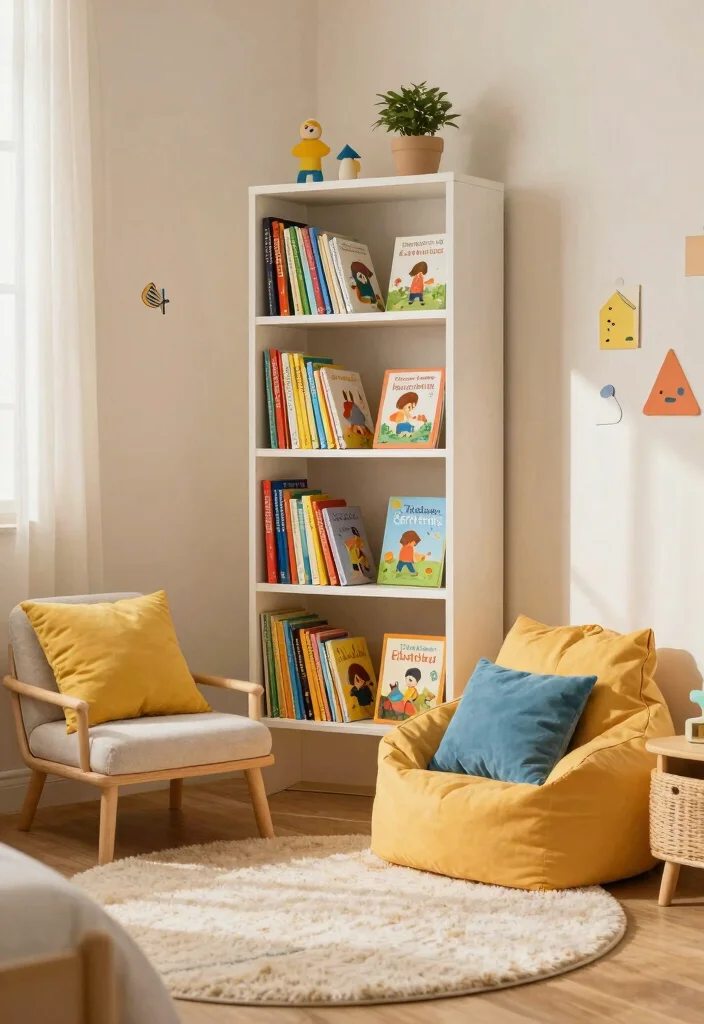
Crafting a cozy reading corner in your shared room nurtures bonding between siblings and encourages a love for books. A simple setup with a small bookshelf and a comfy chair or bean bag near the crib creates the perfect retreat for storytime.
Enhance the space with soft pillows and playful decor to make it inviting and engaging. A tactile rug can define the area, adding warmth and comfort.
Here are some ideas for creating a cozy reading corner:
– Use a small rug to designate the reading area.
– Add bright cushions for comfortable seating.
– Organize books by age or theme for easy access.
This inviting nook becomes a cherished spot for storytelling, enriching the overall warmth of your shared room.
13. The Crib-Under-the-Bed Concept
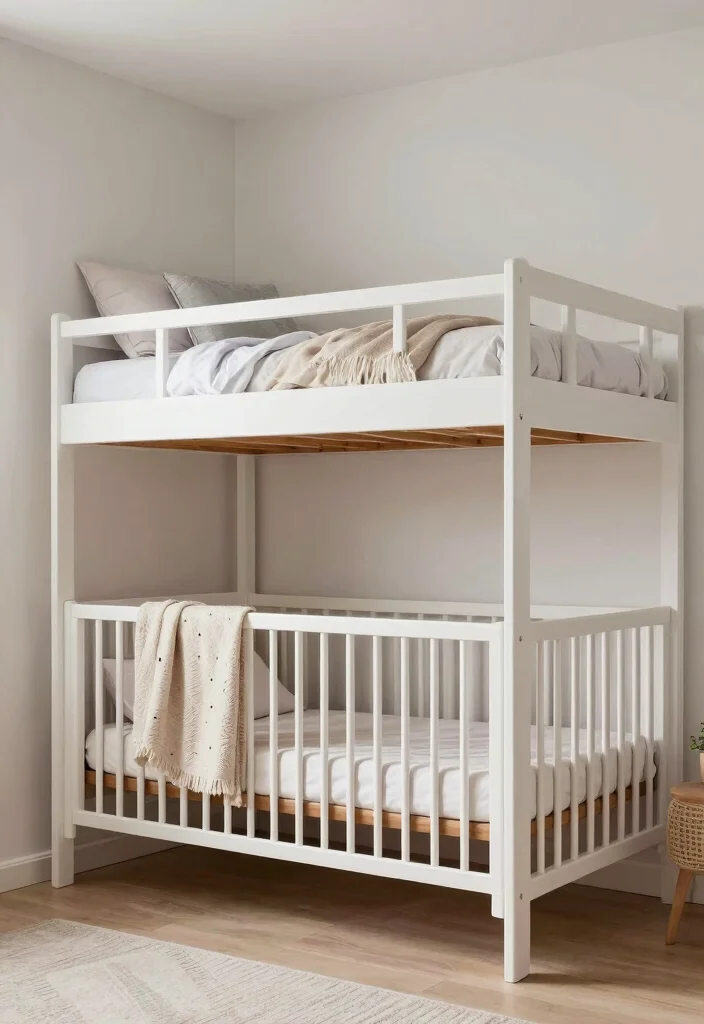
For those facing space constraints, the innovative ‘crib-under-the-bed’ concept can be a game changer. This clever setup allows you to slide the crib under a lofted bed, maximizing floor area while creating a playful dynamic.
This arrangement is particularly effective in shared rooms, offering a secure sleeping space without encroaching on valuable play areas. It keeps the sleeping area tidy and offers more room for activities.
Consider these benefits of this approach:
– Keeps the sleeping area neat and organized.
– Allows for an open floor plan for playtime.
– Simplifies nighttime routines with quick access.
This creative layout is a standout solution for space-saving while ensuring comfort for both children.
Fun fact: the crib-under-the-bed setup can reclaim up to 40 sq ft of floor space for crib in bedroom ideas shared rooms. It slides a secure sleeping area under a loft, freeing room for play, storage, and tidy corners.
14. The Color Blocked Design
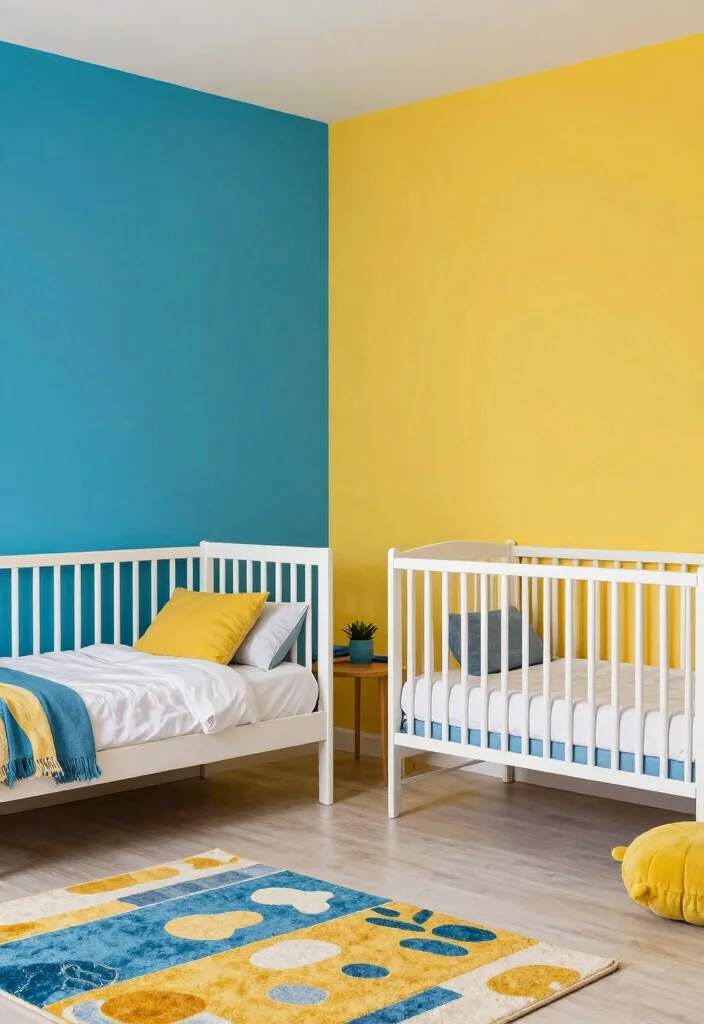
Color blocking is a trendy and playful method to decorate a shared room. By using different paint colors or wallpapers, you can create distinct areas for the crib and bed, adding visual interest and definition to the spaces.
For a successful color-blocked design, choose colors that complement one another for a harmonious look. Incorporate patterns or textures to enhance the design without overwhelming the room.
Consider these tips for your color-blocked design:
– Select complementary colors for a cohesive appearance.
– Use patterns or textures to add depth.
– Add matching decor to tie everything together.
Color blocking can energize the room, making it a fun and cheerful environment for your kids.
15. The Natural Elements Approach

Incorporating natural elements into your shared room design creates a warm and inviting atmosphere. Using wooden furniture, plants, and earthy tones fosters a sense of calm and connection to nature.
To introduce natural elements, opt for sustainable materials in furniture choices. Decorating with indoor plants or nature-inspired decor adds a fresh touch, while soft natural fabrics for bedding and curtains enhance comfort.
Here are some tips for integrating natural elements:
– Choose sustainably sourced furniture for an eco-friendly touch.
– Decorate with plants or nature-themed decor.
– Use soft fabrics for curtains and bedding to promote coziness.
This approach not only enhances aesthetics but also cultivates a tranquil environment ideal for rest and play.
Fun fact: Adding 2-3 indoor plants and a few sustainable wood pieces can transform a crib in bedroom ideas shared rooms in minutes. Natural elements cut clutter visually, boost calm, and even improve air quality—easy, affordable, and endlessly practical.
16. The Personalized Touch
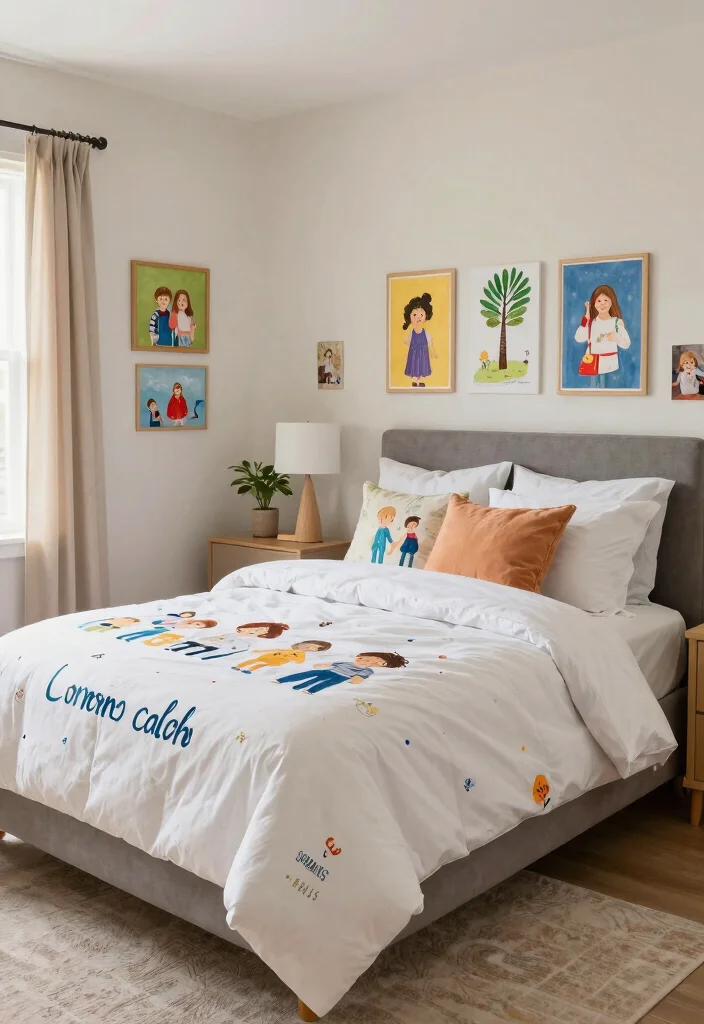
Adding personalized touches to a shared bedroom makes it feel special and unique. Incorporating decor that reflects your children’s interests—from personalized wall art to custom bedding—creates a warm and inviting atmosphere.
Here are some ideas for infusing personalization:
– Use family photos or children’s artwork as decor.
– Customize bedding or pillows with their names or favorite characters.
– Create a memory wall showcasing milestones and achievements.
This personal touch fosters a sense of belonging, making the space feel warm and loving for everyone.
17. The Minimalist Approach
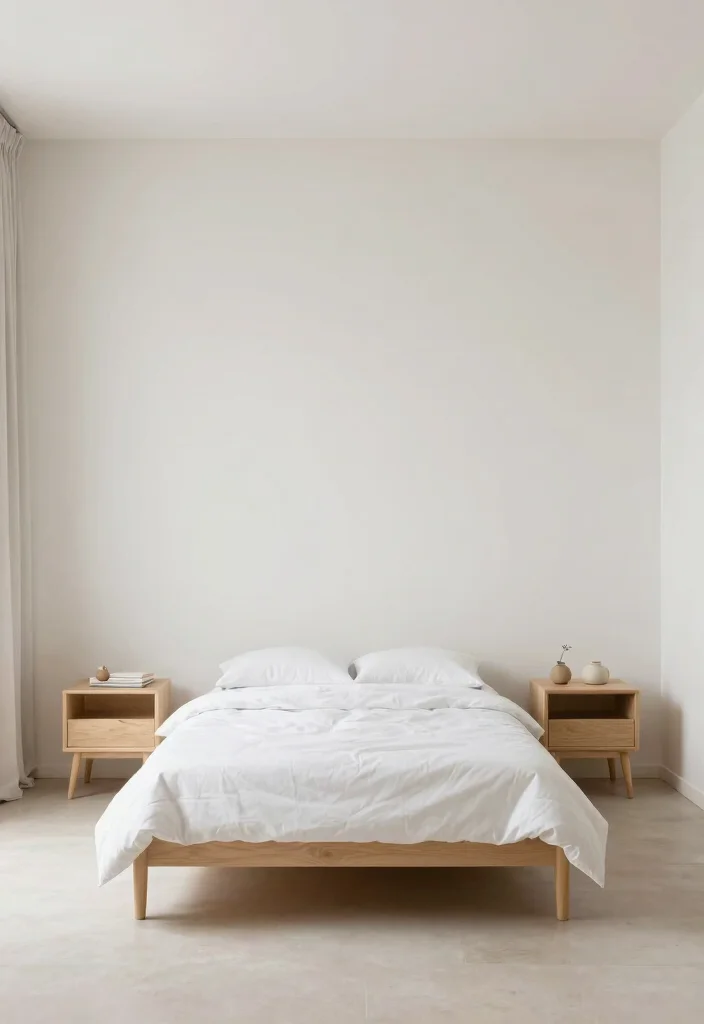
Sometimes, less is truly more! A minimalist approach in a shared bedroom cultivates a serene and clutter-free environment. Opt for simple furniture and a neutral color palette to promote relaxation and calm.
To achieve a minimalist design, limit decor to a few key pieces that bring joy and personality. Choose furniture that serves multiple purposes to maximize space and keep surfaces clear and organized.
Here are some tips for a minimalist design:
– Limit decor to essential pieces that inspire joy.
– Choose multi-functional furniture to maximize space.
– Keep surfaces clear to avoid visual clutter.
This approach encourages a peaceful atmosphere where the essentials shine in a clean, tidy space.
Conclusion
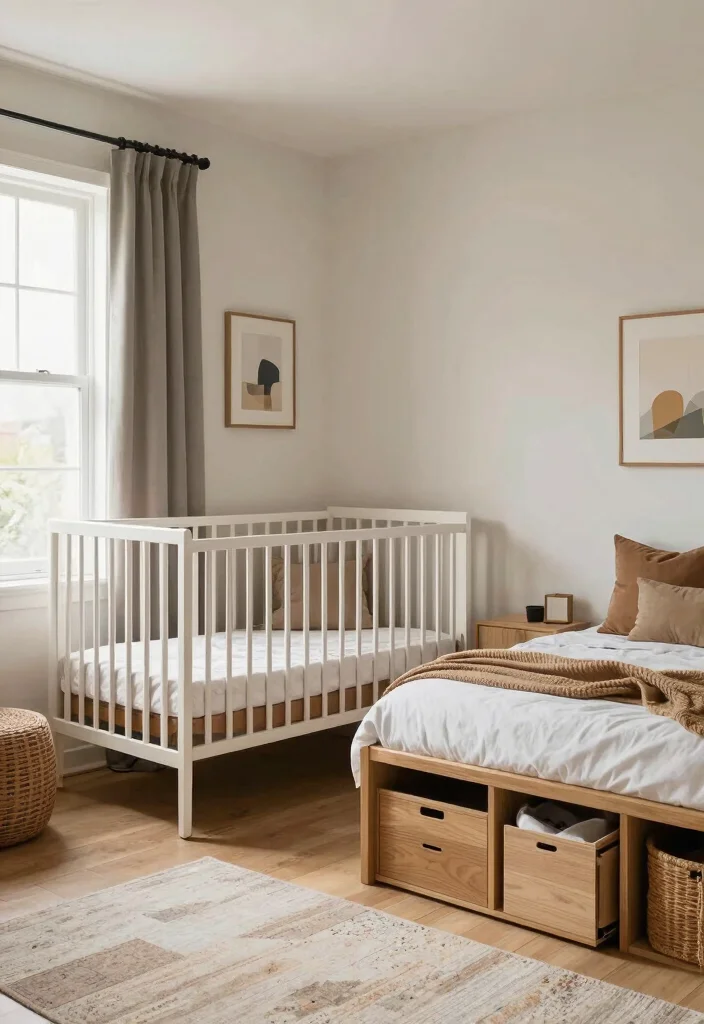
Transforming a shared bedroom with a crib into a stylish and functional space is entirely possible with thoughtful design choices.
By implementing these 17 ideas, you can create an environment that nurtures your child’s growth while also catering to the needs of the adults in the space.
Embrace creativity and functionality, and make your shared room a beautiful haven for the whole family!
Frequently Asked Questions
How can I place a crib in a shared bedroom without crowding a small space?
To fit a crib in bedroom ideas shared rooms without crowding, start with a compact or convertible crib and tuck it into a corner or along a wall to free floor space.
Choose space-saving layouts such as an L-shaped setup that keeps the crib near the parent area while leaving room to play. Pair it with multifunctional furniture like a dresser that doubles as a changing station to minimize bulky pieces. Add streamlined shared bedroom decor elements—floating shelves, peg rails, and storage bins—to keep surfaces clear and organized.
Safety note: ensure the crib meets current safety standards and is placed away from cords or windows.
What are the best space-saving layouts for a shared room with a crib and a toddler bed?
Try an L-shaped layout: position the crib on one wall and the toddler bed on the adjacent wall, with a low bookshelf or dresser acting as a room divider to create two zones without crowding the center. A slim wall-mounted changing station and vertical storage keep essentials at hand but out of the way. If ceiling height allows, a compact loft setup that places storage or a play area under the bed can also work, as long as the crib is clearly separated and safe. These space-saving layouts are perfect for shared bedroom decor and make the most of small spaces.
Which nursery design tips work best for small bedrooms used as shared spaces?
Choose a calm, cohesive color palette that feels larger and unify the two zones with shared accents. Prioritize layered lighting (overhead, task lighting, and a nightlight) and blackout curtains for naps. Use nursery design tips like a wall-mounted changing station and vertical storage to keep clutter off the floor. Keep textiles simple and durable for shared bedroom decor that still feels cozy and intentional.
How can multifunctional furniture help with crib in bedroom ideas shared rooms?
Multifunctional pieces save space and simplify daily routines. A dresser that doubles as a changing table keeps diaper changes convenient, while a storage ottoman or bench provides seating and retains toys and extra linens. A slim bookcase or wall-mounted shelves acts as a divider and storage without blocking sightlines, and a convertible crib helps transition to a small bed later, extending usability in space-saving layouts for shared bedroom decor.
How should you organize a kids room when a crib is in a shared bedroom?
Create distinct zones: sleep, play, and storage. Use labeled bins, clear-front boxes, and closet organizers to keep toys, clothes, and linens tidy. Put the crib in a calm corner with soft lighting, and use a fold-down changing station or dresser with built-in hamper to contain daily tasks. Regularly rotate toys and rotate routines to support kids room organization in crib in bedroom ideas shared rooms.
Related Topics
crib in bedroom ideas
shared bedroom decor
space-saving layouts
nursery design tips
multifunctional furniture
kids room organization
small space solutions
family-friendly design
easy decor
budget-friendly
functional layouts
cozy nurseries