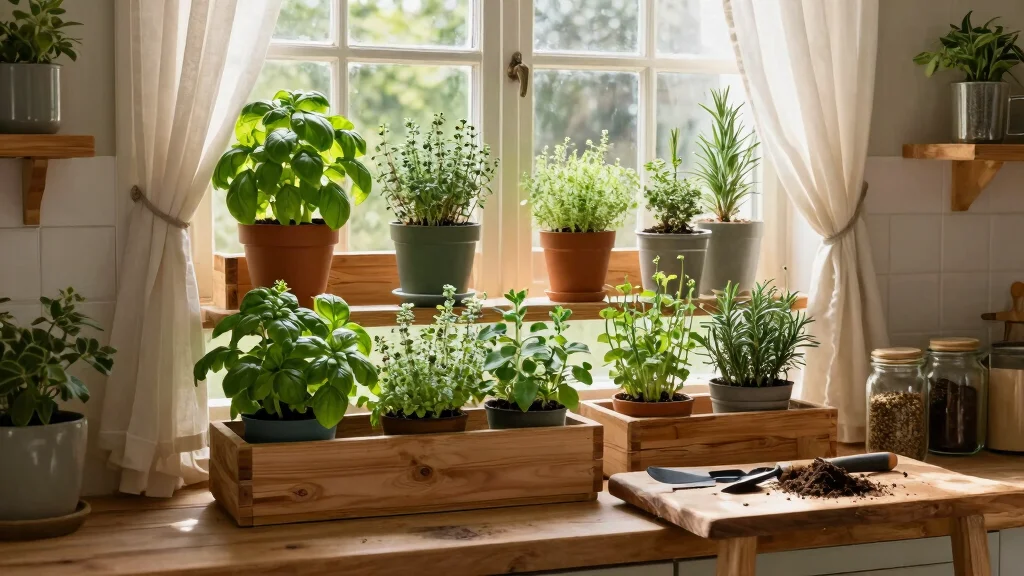
Creating a vibrant herb garden just outside your kitchen feels like bringing a piece of nature home. If you’ve been craving fresh basil for your pasta or fragrant rosemary for your roasted veggies, you’re in the right place. I put this post together to inspire you with 12 creative herb planter box ideas that fit perfectly in any small space. Whether you live in a cozy apartment or just want to maximize your garden area, these designs will help you enjoy fresh herbs anytime you need them.
If you love cooking, gardening, or simply want to add a touch of green to your life, this post is for you. Herb gardening can be both rewarding and practical, turning your kitchen into a flavorful haven. Each idea is tailored to enhance your space while making herb gardening easy and enjoyable. You’ll find tips on creating vertical herb planters, upcycling materials, and even some DIY projects for the crafty gardener.
By the end of this guide, you’ll have a whole toolkit of ideas to help you grow herbs right outside your kitchen door. Get ready to dive into gardening solutions that are not only space-efficient but also bring a sense of joy and accomplishment to your cooking routine. Let’s explore these 12 herb planter box ideas that will breathe fresh life into your kitchen herb garden!
Key Takeaways
– Discover 12 unique herb planter box ideas that maximize small spaces, perfect for urban gardening.
– Learn how to create vertical herb planters that save space while keeping your herbs close at hand.
– Explore DIY projects using recycled materials, making gardening eco-friendly and budget-friendly.
– Find tips on choosing the best containers for a thriving kitchen herb garden that suits your style.
– Get inspired to grow a variety of herbs right outside your kitchen, enhancing your meals and home atmosphere.
1. Vertical Planter Wall
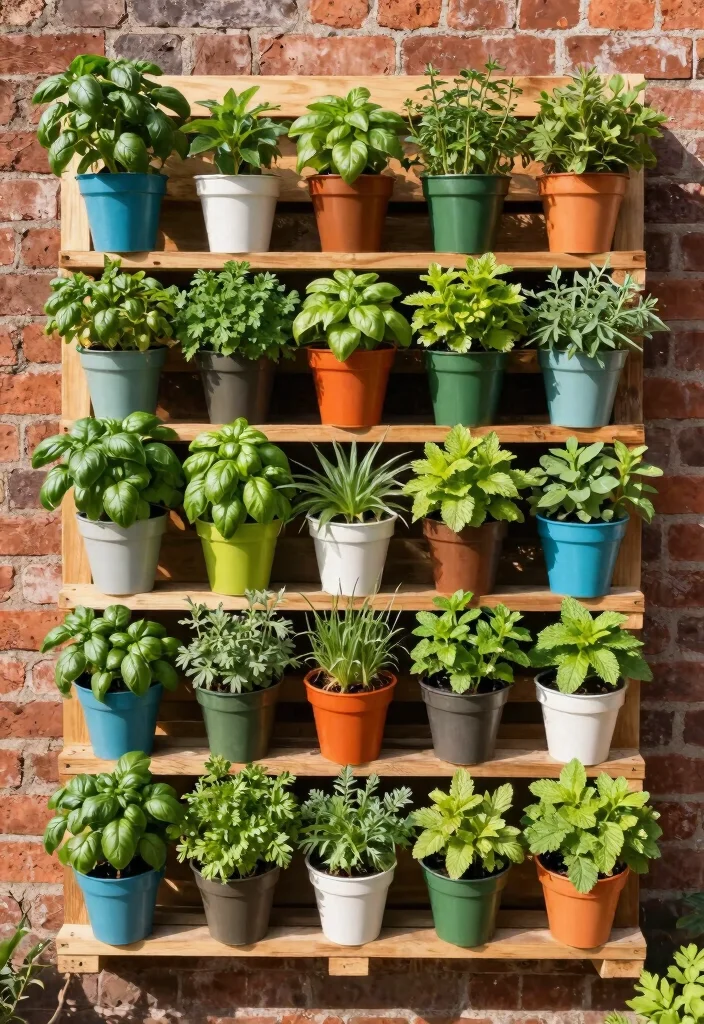
Are you looking to maximize your gardening space while adding a touch of beauty? A vertical planter wall is your answer! This stylish setup not only saves space but also brings a vibrant splash of greenery right to your home. You can use wooden pallets or reclaimed materials to hang several planters, ensuring your kitchen or patio looks stunning while keeping herbs close at hand.
Imagine arranging pots in a staggered fashion for depth, with herbs like trailing mint or oregano cascading down for visual appeal. This design promotes air circulation and sunlight exposure, leading to healthier plants. Just remember to choose lightweight containers to avoid stressing the structure, and consider adding hooks for easy access to garden tools.
Fun fact: a vertical planter wall can fit 4x more herbs in the same footprint, ideal for small spaces. Arrange pots in a staggered pattern and let trailing mint cascade so fresh oregano sits within arm’s reach—beauty and practicality in one wall.
2. Tiered Garden Shelf
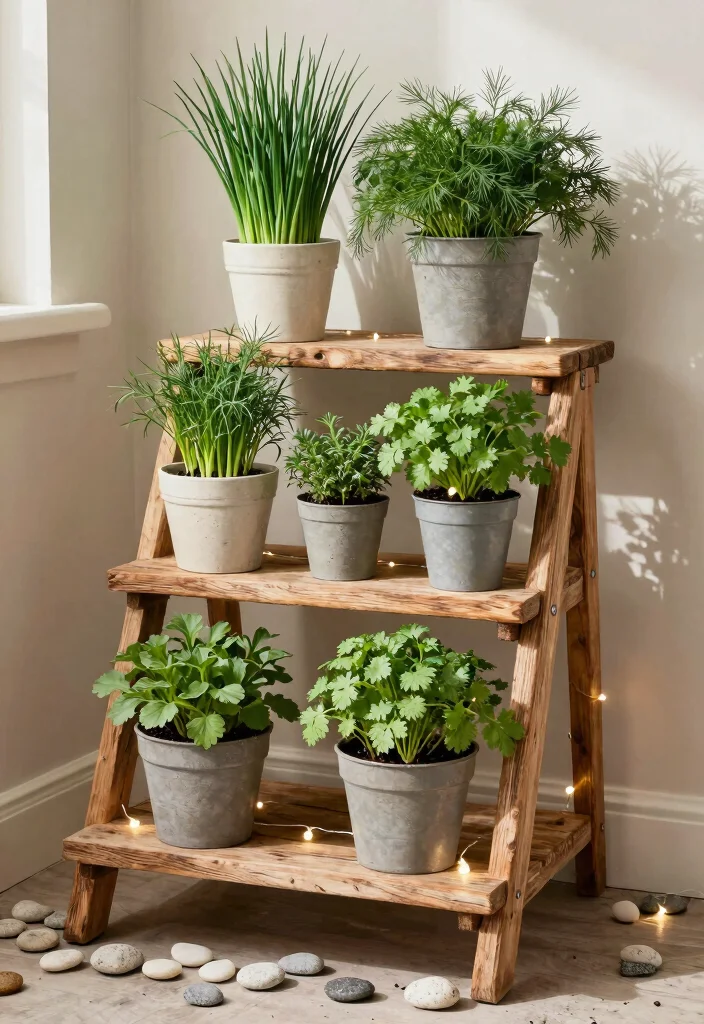
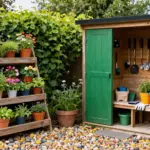
Do you want your herb garden to be both functional and a beautiful focal point? A tiered garden shelf can turn your kitchen or patio into a charming herb haven. This multi-level design allows you to grow various herbs while enhancing your decor.
Select a shelf made of natural wood or a bright painted finish to suit your style. Each tier can host different herbs, making it easy to access favorites like chives, dill, and cilantro. For added charm, incorporate small decorative elements like stones or fairy lights between the pots to create a cozy atmosphere. Ensure your shelf has proper drainage holes to prevent water buildup and position it in a spot that gets plenty of sunlight without overheating.
Fun fact: A tiered garden shelf can give you 3x more usable herb space in a small patio. Keep herbs like chives, dill, and cilantro within arm’s reach, while turning your kitchen wall into a living focal point.
3. Hanging Herb Planters
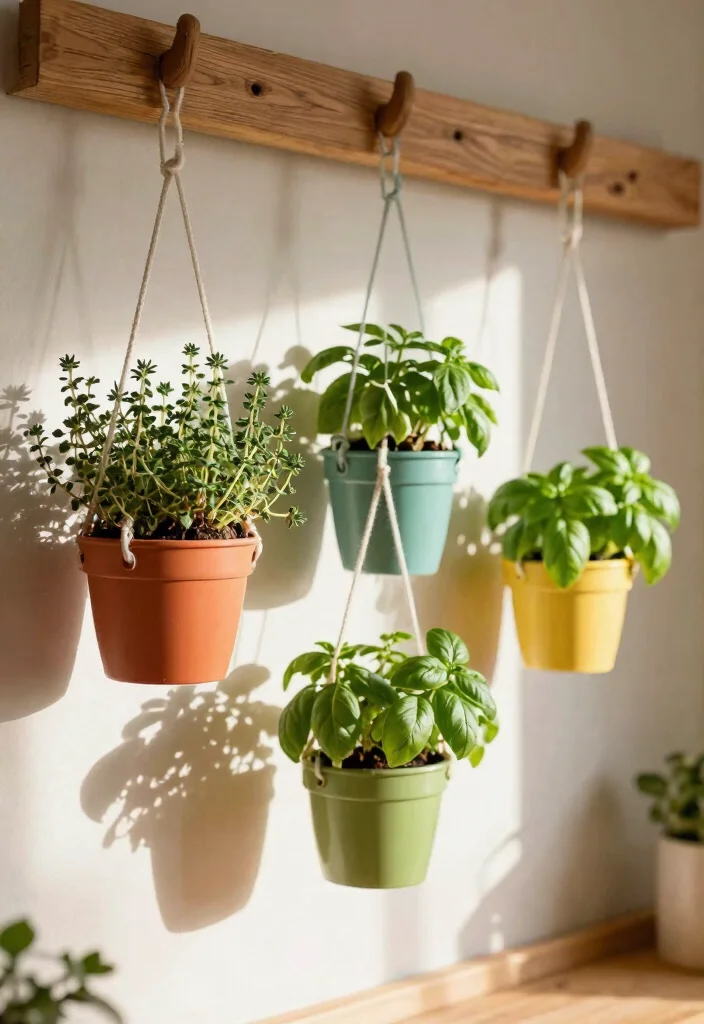
Craving a creative way to grow herbs without sacrificing counter space? Hanging herb planters are the perfect solution! You can easily suspend them from ceilings or sturdy wall brackets, freeing up valuable surface area while keeping your herbs within reach.
These planters come in various styles, from simple macramé to more elaborate metal cages or terracotta pots. Herbs such as thyme, basil, and mint thrive beautifully in these setups, creating a lovely cascade of greenery in your kitchen. To make maintenance a breeze, consider incorporating a watering system! Brightly colored pots can add personality to your space, or if you’re feeling crafty, use recycled containers and natural fibers to create your own unique designs.
Fact: Hanging herb planters can double your growing efficiency in small spaces—up to 60% more usable wall area for your herb planter box and faster access to fresh thyme, basil, and mint. Try a simple macramé setup this week.
4. Recycled Pallet Herb Garden
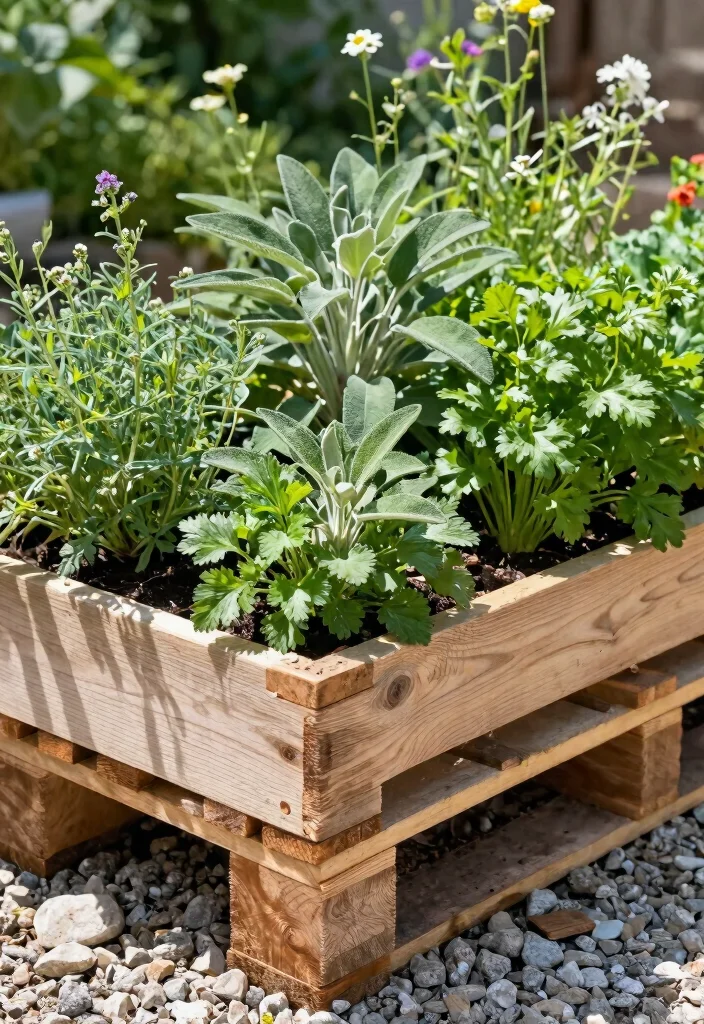
Want to go green while gardening on a budget? Transforming old pallets into herb planter boxes is a fantastic eco-friendly DIY project. This rustic design can elevate your indoor or outdoor space without breaking the bank.
Simply dismantle the pallet to create a sturdy flat box that can hold soil. Fill it with a delightful mix of herbs, from sage to parsley, and watch your charming garden come to life. To ensure proper drainage, line the bottom with landscaping fabric, and feel free to paint or stain the pallet for added aesthetic appeal.
5. Stackable Planter Boxes
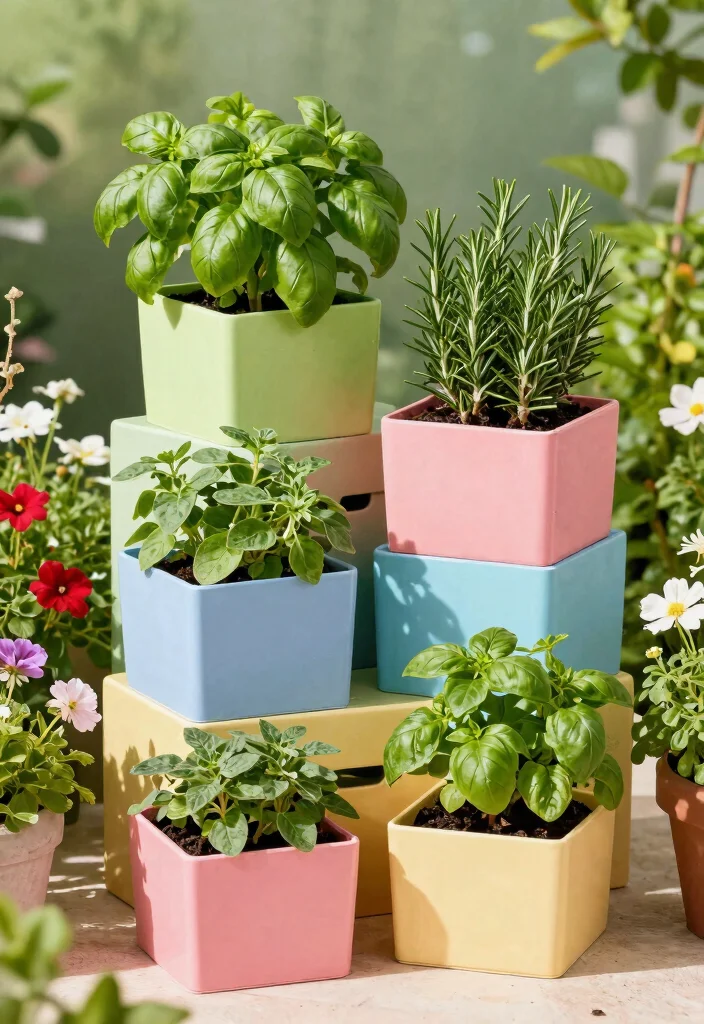
Looking for a stylish way to grow herbs without taking up too much space? Stackable planter boxes provide a perfect solution! These modular planters can be arranged in various configurations, making them ideal for tight spots.
You can either purchase planters designed for stacking or use individual boxes for a custom arrangement. Each box can host a different herb, allowing you to rearrange them based on sunlight availability throughout the day. For durability, choose materials like eco-friendly plastic or treated wood, and opt for planters with built-in drainage to keep your herbs healthy and happy.
6. Wooden Crate Herb Garden
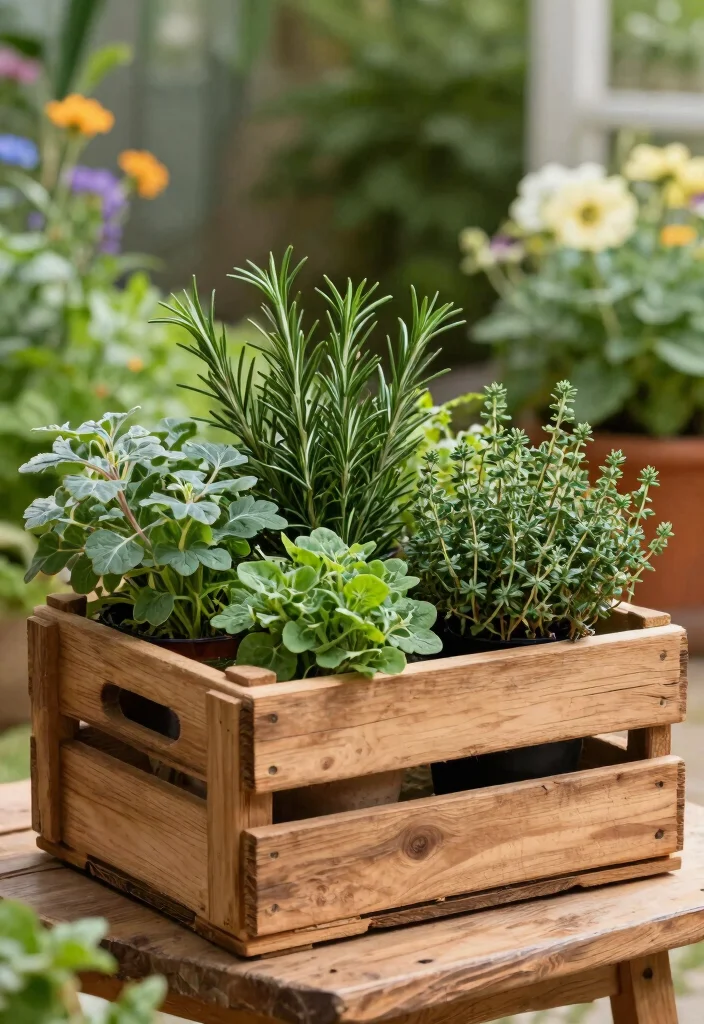
Are you a fan of rustic charm? Transforming wooden crates into herb planter boxes is a delightful DIY project! These crates can be painted or left in their natural state, fitting perfectly in kitchens, porches, or patios.
Fill the crates with soil and an assortment of your favorite herbs to create an enchanting garden. The deeper structure of the crates allows roots to establish well, which is especially beneficial for herbs like rosemary and thyme. To prolong the crate’s lifespan, line the inside to protect it from moisture, ensuring your herbs thrive beautifully.
7. Balcony Herb Planter Boxes
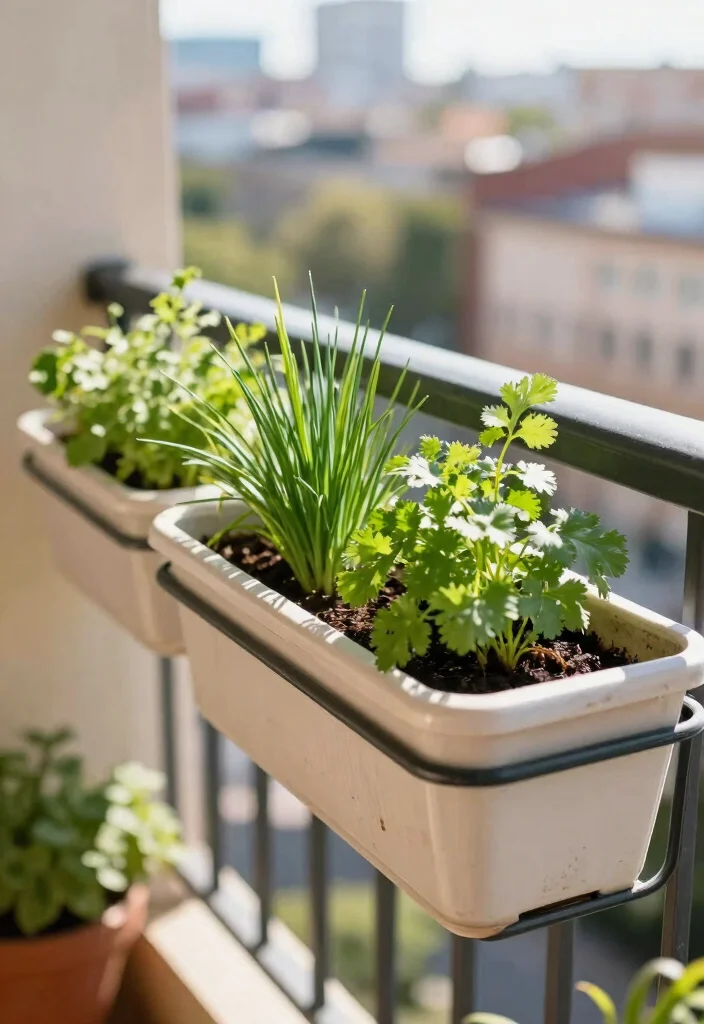
Do you have a balcony begging for some greenery? You can create a mini herb paradise just outside your kitchen! Mount herb planter boxes along the railing or position them in a sunny corner for a thriving oasis.
Opt for boxes specifically designed for balconies to ensure stability and security. Select herbs that flourish in your climate, such as chives, cilantro, or mint, and enjoy the fresh scents wafting into your kitchen. Self-watering boxes can simplify maintenance, and adding wheels will let you reposition the planters for maximum sunlight exposure.
8. Industrial-Style Herb Planters
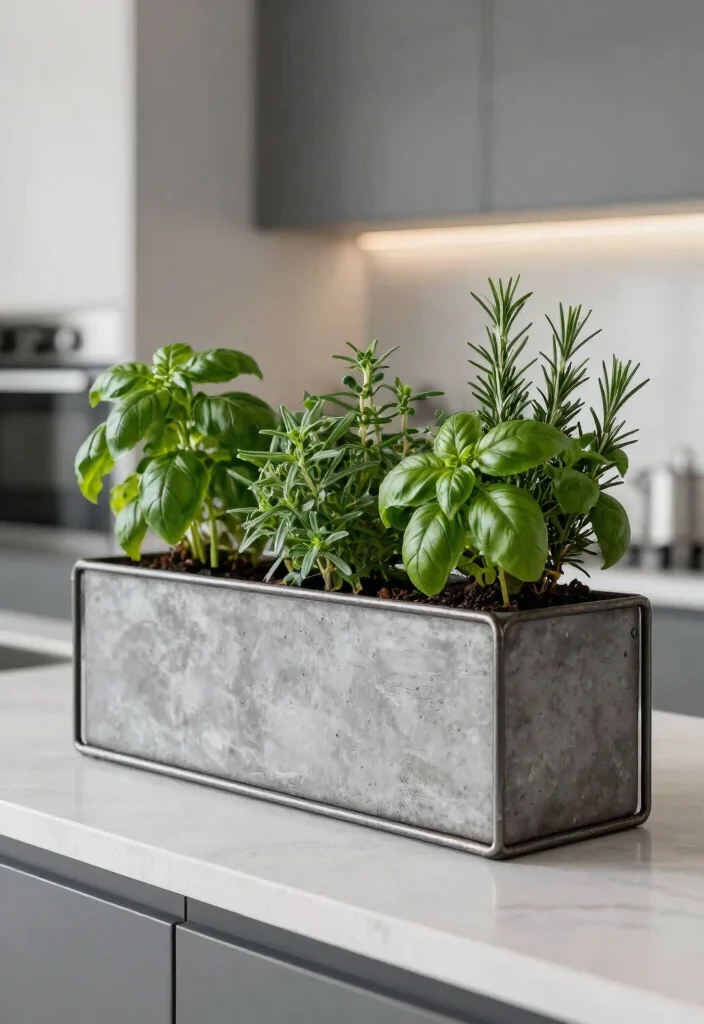
Are you drawn to a modern aesthetic? Industrial-style herb planters can add a unique flair to your kitchen or garden! Utilizing materials like metal, concrete, or reclaimed wood can create a chic vibe in your herb garden.
These planters often feature a sleek, minimalist design that complements contemporary spaces beautifully. Consider tiered metal planters for a dramatic effect, showcasing herbs like basil, cilantro, and rosemary. When selecting materials, ensure they have proper drainage, and feel free to mix and match styles to create an eclectic look that reflects your personality.
Key Trade-offs & Our Top Pick
Vertical Planter Wall
– Pros:
– Maximizes vertical space in small areas.
– Easy access for harvesting and caring for herbs.
– Cons:
– Requires some DIY skills for installation.
– May need regular watering to prevent drying out.
– Best for: Small patios or balconies where horizontal space is limited.
Tiered Garden Shelf
– Pros:
– Creates an eye-catching display of herbs.
– Provides good drainage and airflow for plants.
– Cons:
– Can take up more floor space than vertical options.
– May need to be moved for optimal sunlight.
– Best for: Gardeners looking to showcase their herbs at various heights.
Hanging Herb Planters
– Pros:
– Saves ground space by utilizing overhead space.
– Versatile designs that can fit any style.
– Cons:
– Requires secure hanging points to avoid accidents.
– Limited growing capacity per planter.
– Best for: Urban gardeners with limited ground space.
Recycled Pallet Herb Garden
– Pros:
– Eco-friendly and budget-friendly option.
– Customizable to fit your space and style.
– Cons:
– Requires crafting skills and tools for assembly.
– Wood may need treatment to prevent rot.
– Best for: DIY enthusiasts passionate about sustainability.
Stackable Planter Boxes
– Pros:
– Flexible design allows for easy expansion.
– Great for growing a variety of herbs.
– Cons:
– Can become unstable if not properly stacked.
– Needs regular maintenance to avoid overcrowding.
– Best for: Gardeners who want to experiment with different herbs over time.
Expert Recommendation:
Best Overall: Vertical Planter Wall
The vertical planter wall is the top choice for most people because it maximizes space while being functional and stylish. You can grow a substantial amount of herbs without needing a large garden area. Its accessibility makes it easy for you to care for your plants, and it can be a beautiful feature in your kitchen or outdoor space.
Why We Picked This:
We recognize that some people may prefer options like the tiered garden shelf for its aesthetic appeal or the hanging planters for their space-saving abilities. If you love DIY projects, the recycled pallet option could be perfect for you. Each option has its unique charm and benefits, but the vertical planter wall stands out as a versatile solution for most gardeners.
9. DIY Vertical Gutter Garden
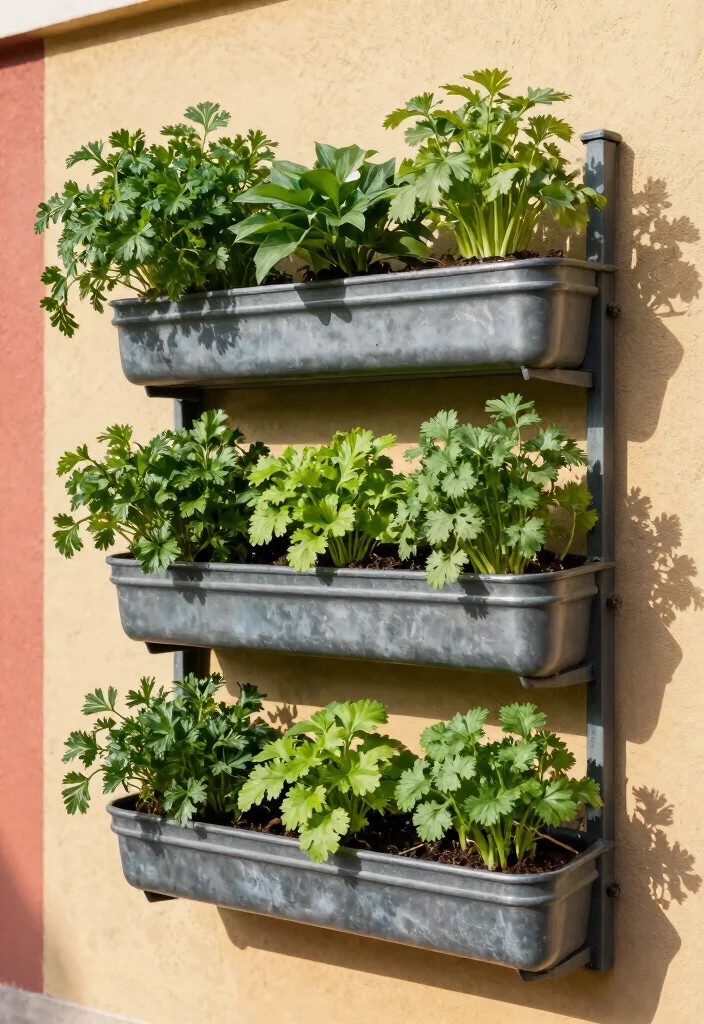
Want a fun and innovative way to grow herbs? Using old rain gutters to create a vertical herb garden is a brilliant, space-saving solution! This DIY project is easy and can be mounted on a wall for a striking display.
Cut the gutters to your desired lengths, secure them to a wall, and fill with soil plus herbs like parsley or cilantro. This design is perfect for urban gardeners with limited space, and you can customize it to match your style! The slanted design allows for excellent drainage and airflow, both crucial for healthy herb growth. Decorate the gutters with paint or stencils to add a personal touch.
10. Fabric Herb Planter Bags
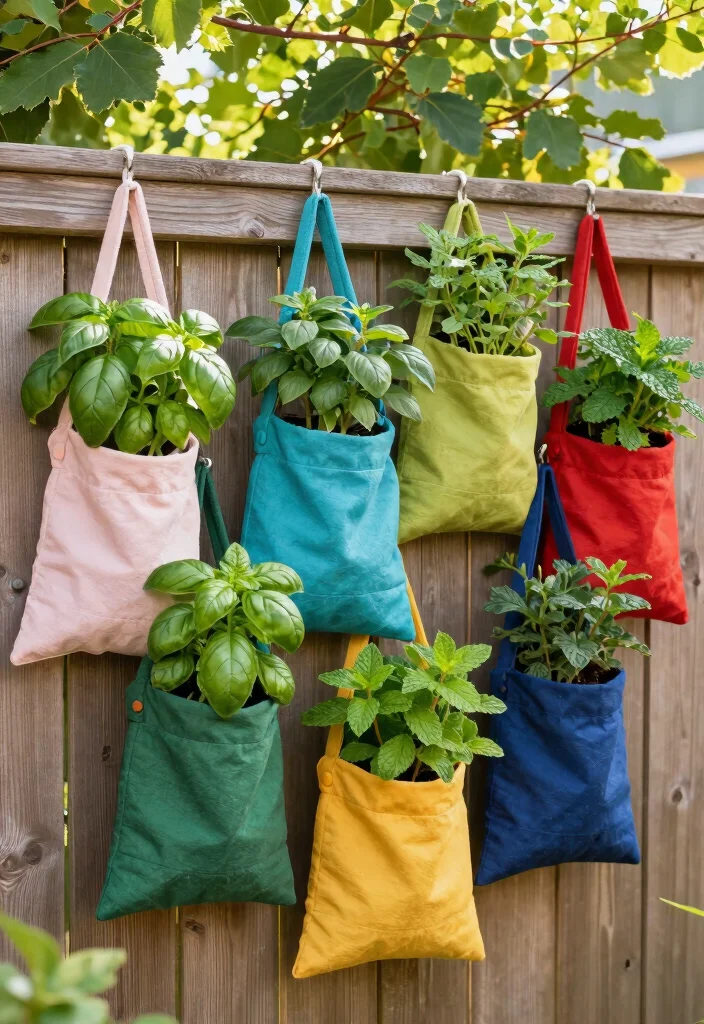
Looking for a practical and portable herb gardening solution? Fabric planter bags are a fantastic option, especially in small spaces! Lightweight and easy to move, these bags can be positioned to capture sunlight perfectly.
Fill them with soil and your chosen herbs to create a fresh herb garden that’s simple to care for. They come in various sizes, allowing you to customize your herb garden based on available space. Opt for breathable fabric to promote healthy root growth, and consider hanging multiple bags on a fence or wall for a dynamic and attractive display.
11. Smart Herb Garden Kits
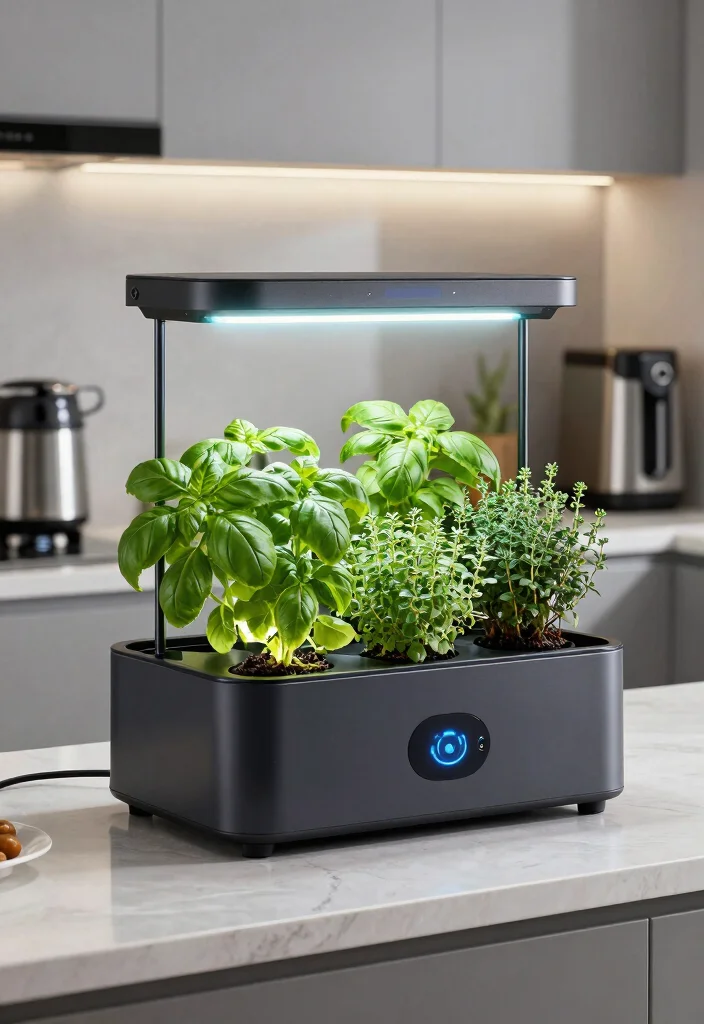
Are you a tech enthusiast who loves gardening? Smart herb garden kits are the perfect blend of innovation and convenience! These kits often include integrated grow lights, self-watering systems, and app connectivity for easy management.
They’re ideal for beginners, taking the guesswork out of herb gardening and helping you grow herbs like basil, thyme, and mint with success. Plus, their sleek designs make them an attractive addition to any kitchen countertop or windowsill. Look for kits that provide an all-in-one solution to get started, making them a great gift for aspiring gardeners too!
12. Creative Repurposed Containers
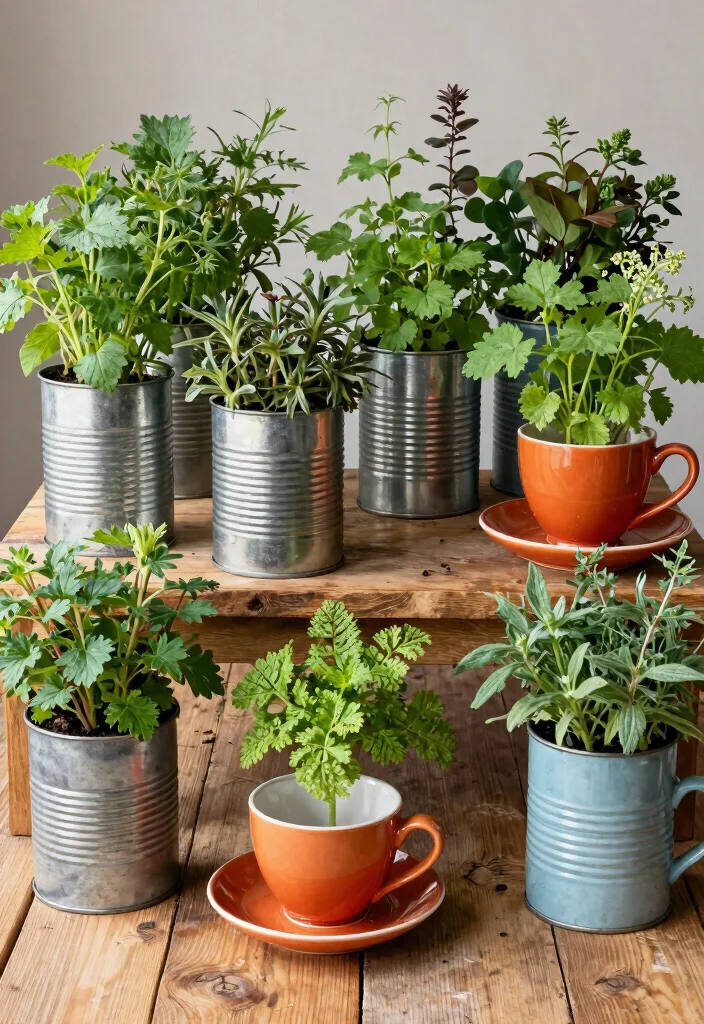
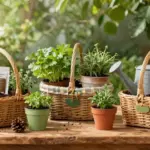
Want to add a unique touch to your herb garden? Repurposing containers is a fun way to express your creativity! You can use anything from old teacups to tin cans and wooden boxes, making every planter a conversation starter.
Choose containers that resonate with your style, fill them with herbs, and let your imagination run wild. This method allows you to showcase your personality while providing a lovely home for your herbs. Be sure to include drainage holes to prevent overwatering, and don’t hesitate to paint or decorate them for a whimsical touch that’s perfect for any space.
Conclusion
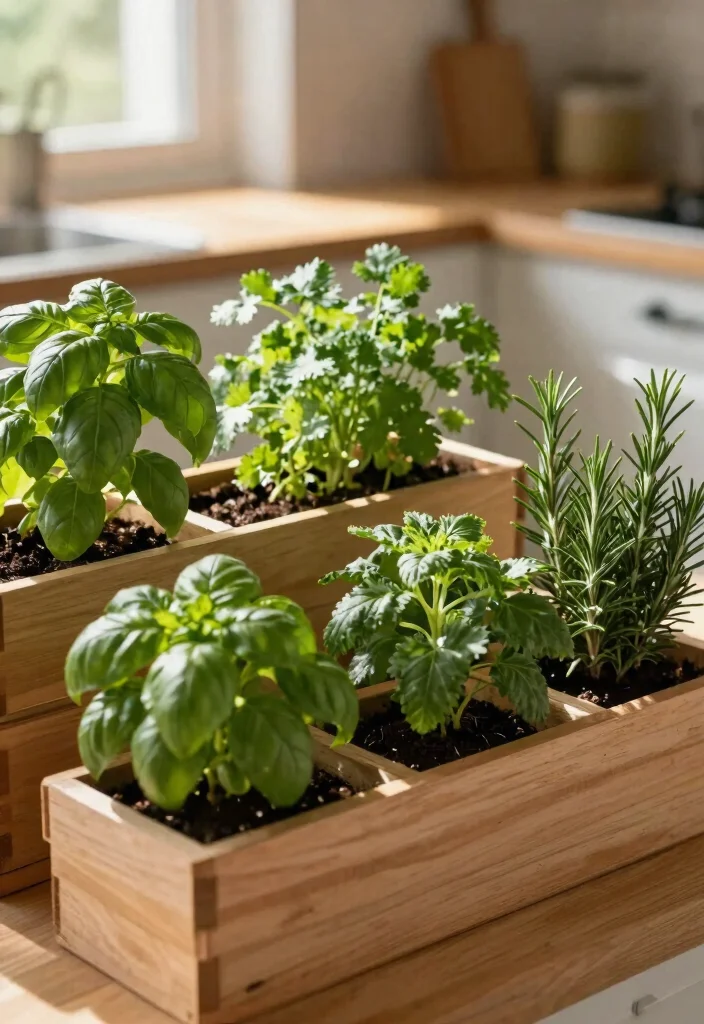
Growing your own herbs can bring a burst of flavor and color to your home. With these 12 herb planter box ideas, you have the inspiration needed to kickstart your own herb garden, no matter how small your space might be.
Get started on a project that not only beautifies your kitchen but also strengthens your culinary adventures. Let your creativity flourish and enjoy the taste of fresh herbs right outside your kitchen!
Frequently Asked Questions
What is a herb planter box and why is it ideal for growing fresh herbs in small spaces?
A herb planter box is a shallow, accessible container designed to grow culinary herbs close at hand. It’s perfect for small spaces because you can stack, hang, or place it on a balcony or windowsill and still have fresh mint, basil, and thyme within arm’s reach.
For a quick setup, choose a box with drainage, line it with landscape fabric, fill with high-quality potting mix, and place it in a sunny spot that gets 6+ hours of light. Rotate herbs as you harvest to keep plants compact and productive. If you’re tight on space, start with 1–2 compact varieties and add more using a vertical herb planter later, turning any wall or railing into a kitchen herb garden without sacrificing your floor space.
How can I set up a vertical herb planter for a compact kitchen garden?
Vertical designs let you grow more herbs in less space. Start with a system you like: wall-mounted pockets, tiered shelves, or repurposed gutters. Make sure each pocket or tier has drainage, and use a light-weight potting mix and a gentle water weight to avoid leaks. Place the unit where it gets 4–6 hours of sun daily. Plant herbs with similar water and light needs together, and label varieties for easy harvesting. With a vertical herb planter, you can keep a kitchen herb garden within reach and still move the system if you redecorate. This is also a great DIY herb planter project—use items you already have.
What herbs grow best in a small herb planter box and how many varieties should I start with?
For a small herb planter box, choose compact, sun-loving herbs like basil, thyme, oregano, chives, parsley, and maybe cilantro or dill. In a vertical setup, aim for 4–6 varieties so each plant has room and you can harvest continuously. Keep herbs with similar water needs together, and use succession planting so you don’t exhaust one spot. This keeps your herb gardening and container gardening efficient while building a convenient kitchen herb garden.
What maintenance tips will keep my herb planter thriving year-round?
Water when the top inch of soil dries; containers dry out faster in sun. Use a balanced liquid fertilizer every 3–4 weeks during the growing season. Prune regularly to encourage bushy growth and frequent harvests; remove dead leaves and flowering tops if you want herbs to stay leafy. For cold climates, bring planters indoors or protect them; mulch to protect roots. Check drainage regularly to prevent root rot. This will support steady herb gardening and a reliable kitchen herb garden.
How can I DIY a budget-friendly herb planter box that still drains well and looks great?
Get creative with reclaimed materials: wooden crates, gutter sections, or fabric pots inside a decorative frame. Always drill drainage holes and use a liner or landscape fabric to prevent soil loss. Layer with a light potting mix, a thin drainage layer (pebbles), then soil. Choose a compact, fast-growing mix of herbs and combine with drip irrigation or a simple watering can schedule. This DIY herb planter approach keeps costs down while delivering a polished look for your vertical herb planter and container gardening setup.
Related Topics
herb planter box
vertical gardening
small space gardening
kitchen herb garden
DIY herb planter
container gardening
beginner friendly
easy gardening
fresh herbs
urban gardening
sustainable gardening
home cooking