Creating a beautiful and sustainable water garden is a dream for many gardening enthusiasts. If you’ve ever stared at your pond, wishing for clear water and thriving plants, you’re not alone. This post was born from a desire to share simple yet effective pond bog filter ideas that can transform your water garden into a natural paradise. With so much information out there, it can be overwhelming to know where to start. That’s why I’ve put together this guide to help you navigate the world of eco-friendly pond maintenance.
If you’re passionate about gardening and want to create a vibrant aquatic space, this guide is for you. Whether you’re a novice or a seasoned gardener, you likely care about maintaining a clean and healthy environment for both your plants and any local wildlife. You’ll find practical tips and design ideas that will not only improve your pond’s water quality but also enhance its beauty and biodiversity.
In this post, you’ll discover 12 creative pond bog filter ideas that are both functional and aesthetically pleasing. From choosing native plants to incorporating hardscape features, each idea is designed to bring you one step closer to a thriving water garden. Get ready to dive into these tips that will help you achieve a clean, naturally filtered pond while enjoying the many benefits of aquatic plants.
Key Takeaways
– Explore Native Plants: Using local plants in your bog filter can attract wildlife and enhance biodiversity in your pond.
– Multi-Layered Bog Design: Consider a tiered approach to your bog, which can improve both filtration and aesthetics.
– Seasonal Plant Rotation: Rotate plants seasonally to maintain a balanced ecosystem and adapt to changing weather conditions.
– Hardscape Features: Incorporating rocks or stones not only adds visual interest but also aids in water flow and filtration.
– Sustainable Practices: Embrace eco-friendly gardening techniques to reduce maintenance efforts and improve the health of your water garden.
1. Native Plant Paradise
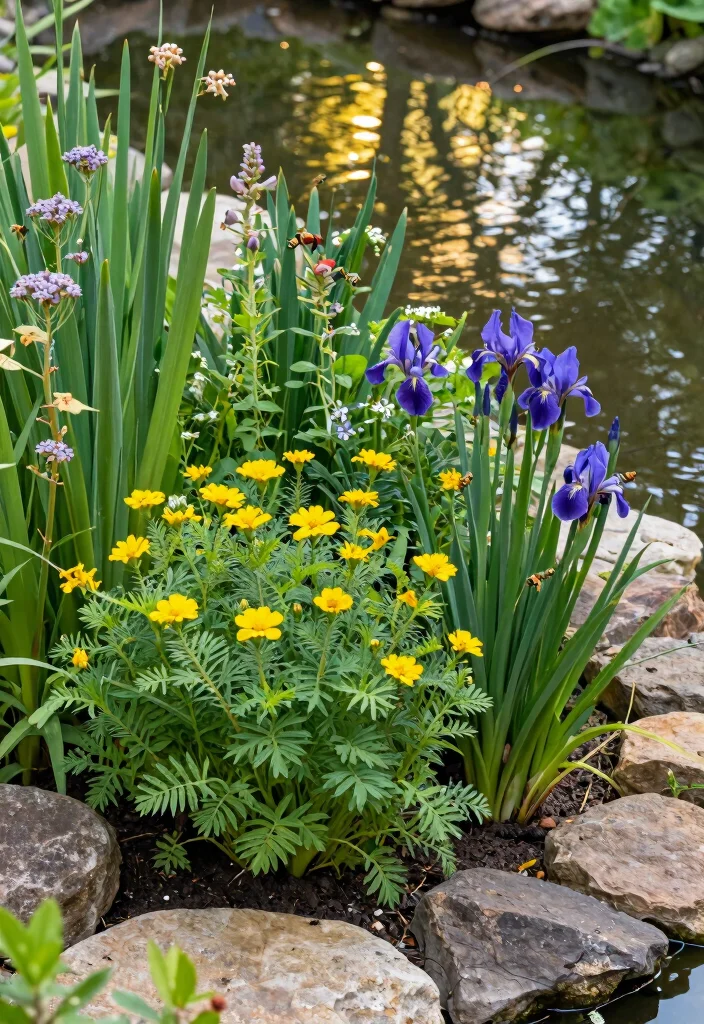
Choosing native plants for your pond bog filter is a smart way to enhance your garden’s ecosystem. These plants thrive in your local climate and soil, making them easy to maintain and wonderfully resilient. Plus, they create habitats for local wildlife, inviting pollinators and other beneficial creatures into your garden.
When planning your bog filter, opt for plants like marsh marigold, blue flag iris, or swamp milkweed. These plants not only flourish in moist environments but also contribute to clearer water by absorbing excess nutrients. Their lush greenery adds beauty while serving a practical purpose.
Steps to create a native plant bog filter:
– Choose plants with varied heights and colors for visual appeal.
– Select species that bloom at different times for year-round wildlife attraction.
– Include submerged, emergent, and floating plants for a thriving ecosystem.
– Use organic mulch to enhance soil quality and support plant hydration.
By incorporating native plants, you can create a stunning and vibrant ecosystem right in your backyard.
“Native plants are the heart of pond bog filter ideas: they thrive locally, cut upkeep, and invite pollinators. Think marsh marigold, blue flag iris, and swamp milkweed to build a resilient, wildlife-friendly water garden.”
Ongoing Maintenance & Care Guide
Maintenance Schedule:
Daily/Weekly Tasks:
– Check the water levels and refill as needed. This helps keep your pond’s ecosystem balanced. ⏱ Time: 5-10 minutes
– Remove any debris or fallen leaves from the water surface. This prevents algae growth. ⏱ Time: 10-15 minutes
– Inspect the health of aquatic plants. Look for yellowing leaves or wilting. Remove any dead parts to encourage growth. ⏱ Time: 10 minutes
– Test water quality using a simple kit. Check pH, ammonia, and nitrates to ensure a safe environment for fish and plants. ⏱ Time: 15 minutes
Monthly/Seasonal Tasks:
– Clean the bog filter by gently removing accumulated debris. This allows water to flow freely. ⏱ Time: 30 minutes
– Prune back aquatic plants that have overgrown. This keeps the pond looking neat. ⏱ Time: 30 minutes
– Rotate seasonal plants in and out of the pond according to the time of year. This enhances the beauty of your water garden. ⏱ Time: 1 hour
– Check the pump and other equipment for wear and tear. Replace any worn-out parts to ensure proper function. ⏱ Time: 30 minutes
– Monitor fish health regularly. Look for signs of stress or illness, and take action as needed. ⏱ Time: 15 minutes
Maintenance Summary Table:
| Task | Frequency | Difficulty | Time Needed |
|——————————-|—————–|——————|——————|
| Water level check | Daily/Weekly | Easy | 5-10 minutes |
| Debris removal | Daily/Weekly | Easy | 10-15 minutes |
| Aquatic plant inspection | Daily/Weekly | Easy | 10 minutes |
| Water quality testing | Daily/Weekly | Moderate | 15 minutes |
| Bog filter cleaning | Monthly | Moderate | 30 minutes |
| Aquatic plant pruning | Monthly | Easy | 30 minutes |
| Seasonal plant rotation | Monthly | Moderate | 1 hour |
| Equipment check | Monthly | Moderate | 30 minutes |
| Fish health monitoring | Monthly | Easy | 15 minutes |
Common Issues to Watch For:
⚠️ Watch for these warning signs that indicate maintenance is needed:
– Algae Bloom: If your pond water turns green or murky, it may signal too many nutrients. Check for excess debris and reduce feeding.
– Foul Odor: A bad smell may indicate decaying organic matter. Remove any dead plants or fish immediately.
– Unhealthy Plants: If aquatic plants are wilting or turning brown, they might need more light or nutrients. Adjust their placement accordingly.
– Fish Behavior Changes: If fish are swimming erratically or hiding, water quality may be off. Test the water right away to find the problem.
– Pump Malfunction: If your water circulation seems weak, the pump may be clogged or failing. Inspect and clean it to restore flow.
Care Tips:
💡 Here are some practical tips for keeping your pond in great condition:
– Use Natural Mulch: Spread a layer of natural mulch around plants. This helps retain moisture and suppress weeds.
– Companion Planting: Plant compatible species together. This can enhance growth and reduce pests naturally.
– Regular Water Changes: Consider replacing a portion of the pond water every few weeks. This refreshes nutrients and keeps the environment healthy.
– Encourage Wildlife: Attracting beneficial insects and birds helps with pest control and pollination. Create safe spaces for them around your pond.
– Create Diverse Habitats: Vary plant types and structures in your pond. This supports a balanced ecosystem and promotes healthy water filtration.
With consistent care and attention, your pond bog filter will thrive. Following these steps will help you maintain a clean and beautiful water garden. Enjoy the serene beauty and ecological benefits of your natural oasis!
2. Multi-Layered Bog Design
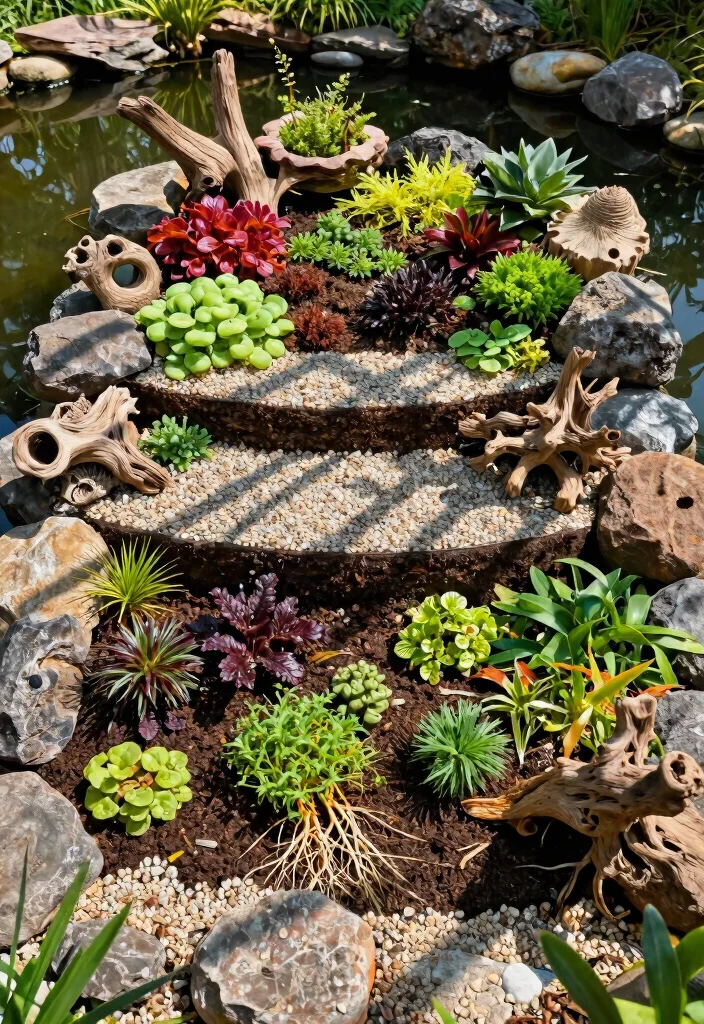
A multi-layered bog filter design adds both beauty and functionality to your water garden. By creating different elevations, you can cultivate various plant species that flourish under ideal conditions. This thoughtful arrangement enhances your garden’s filtration capabilities.
Begin by layering materials like rocks, gravel, and soil. The top layer can host moisture-loving plants, while deeper layers support species that thrive in wetter soil. This stratification optimizes natural filtration, as plants target different pollutants and nutrients.
Tips for an effective layered bog:
– Use larger rocks at the bottom for optimal drainage.
– Mix clay, sand, and organic matter for perfect soil conditions.
– Introduce plants with varying water needs to maintain balance.
– Add decorative features like driftwood for visual interest.
With careful planning, a multi-layered bog filter becomes a stunning focal point in your garden while effectively purifying water.
3. Creating a Wildlife Habitat
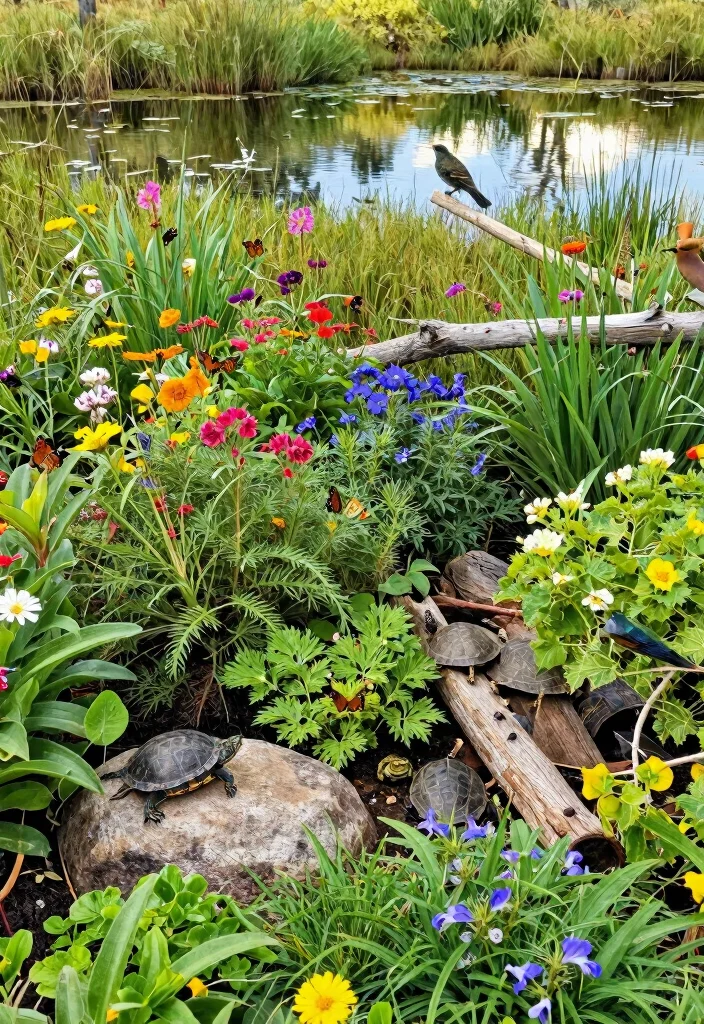
Designing your bog filter as a wildlife habitat can attract diverse species to your water garden. By including plants that offer food and shelter, you not only benefit the ecosystem but also create a lively environment.
Opt for flowering plants to attract pollinators and dense foliage for shelter. Species like bulrushes and cattails thrive in wet conditions and provide essential cover for aquatic life. Adding small rocks or logs creates basking spots for turtles and frogs, making your bog filter a hub of activity.
Enhance your bog filter as a wildlife sanctuary:
– Use a variety of textures and colors to attract different species.
– Choose plants known to attract butterflies and hummingbirds.
– Avoid pesticides to protect beneficial insects.
– Place a shallow dish of water nearby for thirsty birds.
By transforming your bog filter into a wildlife haven, you’ll enjoy the vibrant creatures that call your water garden home.
4. Aquatic Plant Benefits
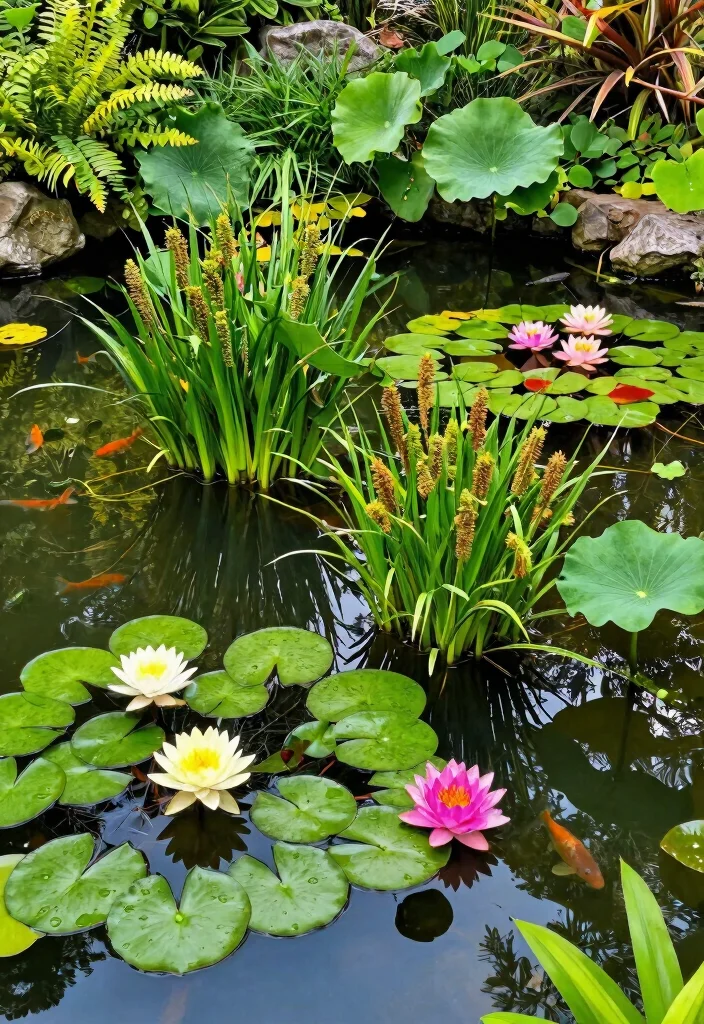
Incorporating aquatic plants into your bog filter is vital for the health of your water garden. These plants naturally filter water and help maintain a balanced ecosystem, offering numerous benefits.
Plants like water lilies, lotus, and pickerel rush not only enhance beauty but also absorb excess nutrients and provide oxygen. Their roots stabilize soil, reducing erosion and improving water clarity, while shaded areas minimize algae growth.
Benefits of adding aquatic plants:
– Actively enhance water quality through natural filtration.
– Provide habitats for beneficial microorganisms and wildlife.
– Boost the aesthetic appeal with vibrant colors and textures.
– Offer food sources for fish and other aquatic creatures.
By integrating aquatic plants into your bog filter, you ensure a thriving ecosystem that elevates both water quality and garden beauty.
5. DIY Maintenance Tips
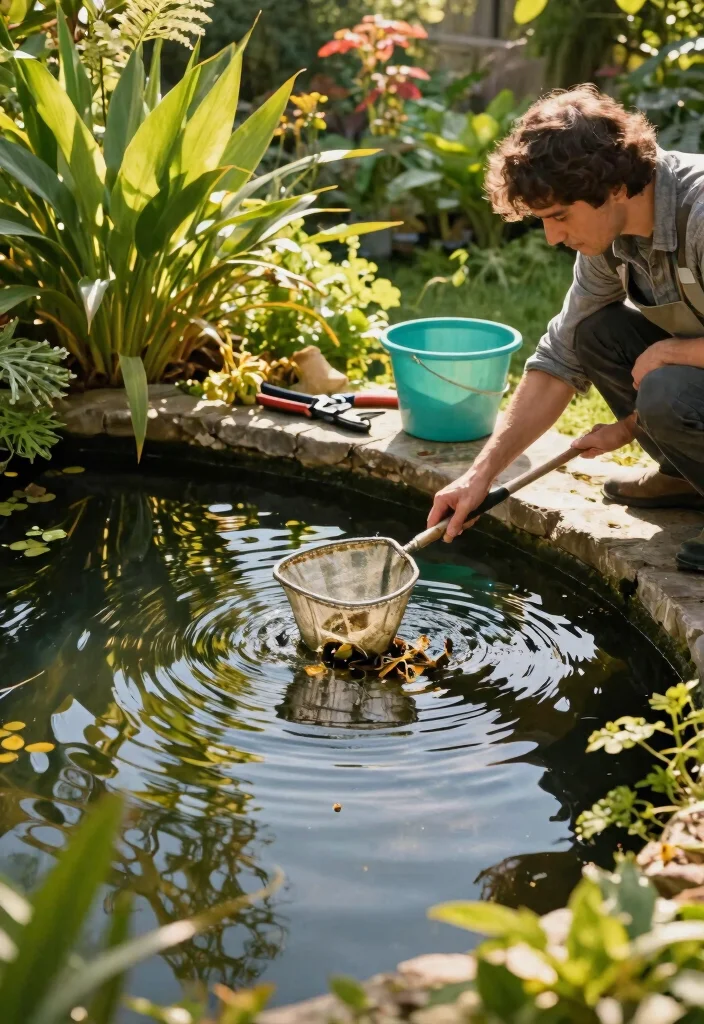
Maintaining a bog filter can be simple and straightforward. With a few easy practices, you can keep your water garden flourishing and ensure effective filtration, preventing algae blooms and cloudy water.
Regularly check your plants’ health and remove dead foliage to keep the ecosystem balanced. Cleaning out debris that clogs the filter is crucial. Use gentle methods; avoid harsh chemicals that can harm the beneficial bacteria in your bog.
Helpful DIY maintenance tips:
– Use a fine net to regularly scoop out leaves and debris.
– Trim back overgrown plants to ensure proper airflow and sunlight.
– Monitor water levels during dry periods and add water as needed.
– Occasionally test water quality for a healthy balance.
With consistent care, your bog filter will remain a vibrant and clean part of your water garden.
6. Incorporating Hardscape Features
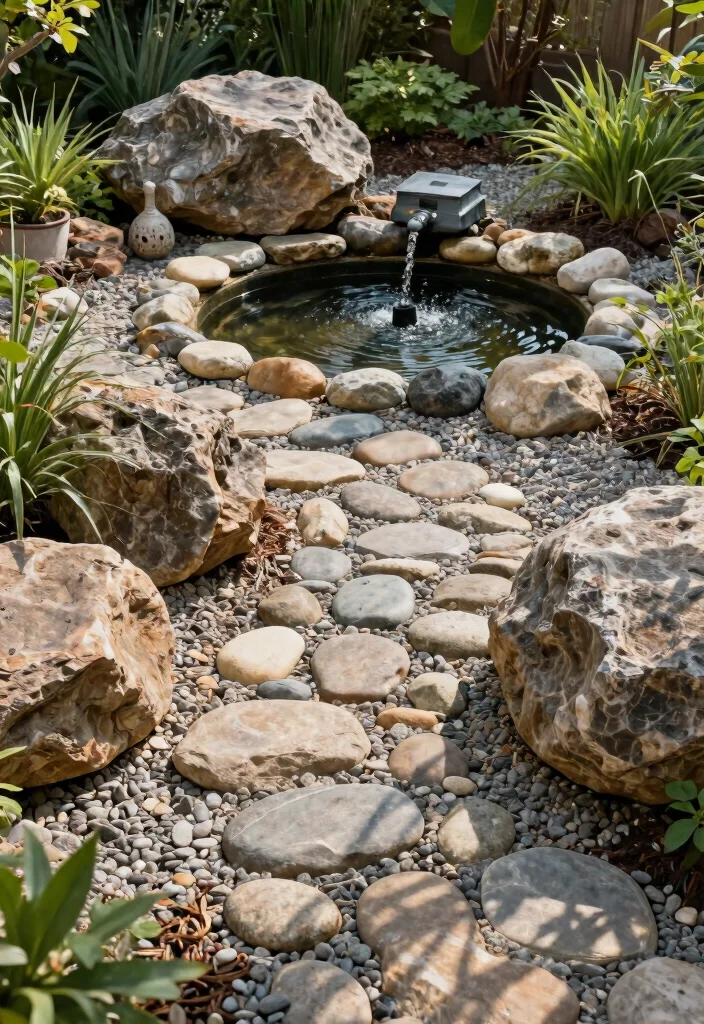
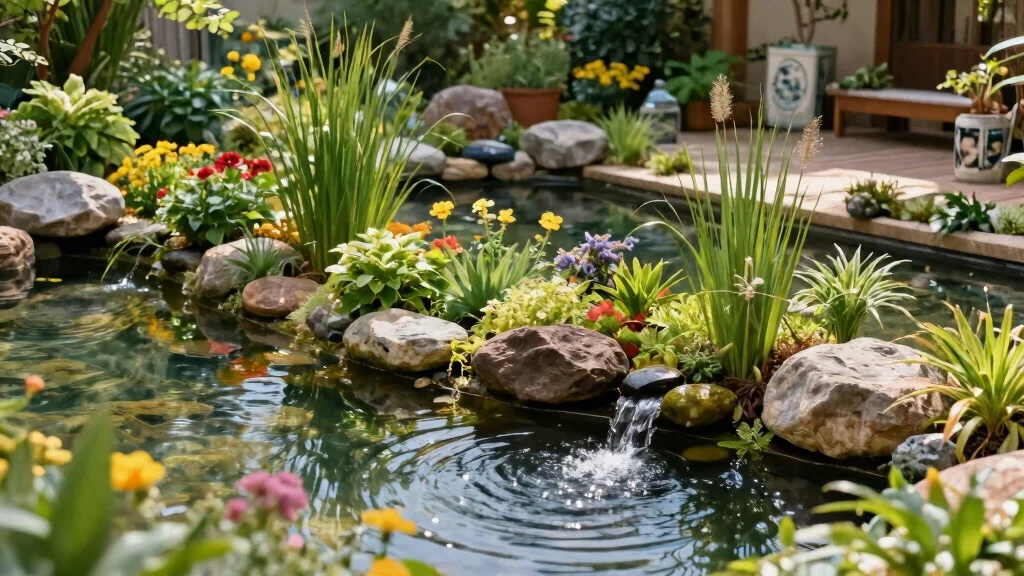
Adding hardscape features to your bog filter area enhances both its aesthetic and functional qualities. Elements like stones, gravel pathways, and decorative rocks can beautify the space while improving filtration.
Creating a path or border with river rocks encourages proper water flow and contrasts beautifully with the plants. Strategically placed larger stones can help prevent erosion and add a rustic charm to your garden.
Ideas for incorporating hardscape features:
– Create a stepping stone path for easy access.
– Use large boulders as eye-catching focal points.
– Lay down gravel to improve drainage around the bog.
– Add small decorative items to personalize the space.
Thoughtfully integrating hardscape elements brings both practicality and artistic flair to your water garden.
Pond bog filter ideas show that hardscape features aren’t just pretty—we keep water moving and erosion in check. A river-rock border, gravel path, or a few larger stones make the space feel calm while actually boosting filtration. Start small, add one feature, and watch the whole garden glow.
7. Seasonal Plant Rotation
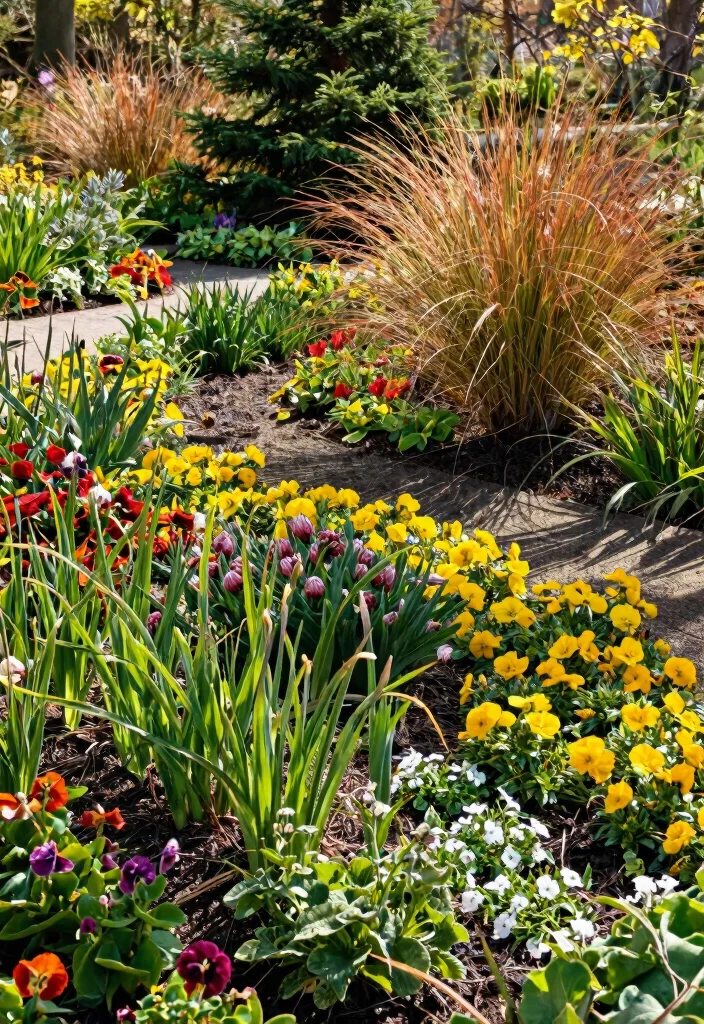
One unique aspect of maintaining a bog filter is the chance to experiment with seasonal plant rotation. By swapping different species based on the season, you can create a dynamic filter that looks beautiful year-round.
In spring, introduce hardy perennials, while summer calls for sun-loving blooms. Fall is perfect for ornamental grasses that add interest, and winter can feature evergreens for color throughout the cold months.
Tips for effective seasonal rotation:
– Document which plants thrive in your bog filter.
– Choose a variety of species for continuous blooms and interest.
– Monitor plant performance and swap species for optimal growth.
– Experiment with different textures and colors seasonally.
Your bog filter can be a changing canvas, showcasing nature’s beauty all year long.
8. Companion Planting Strategies
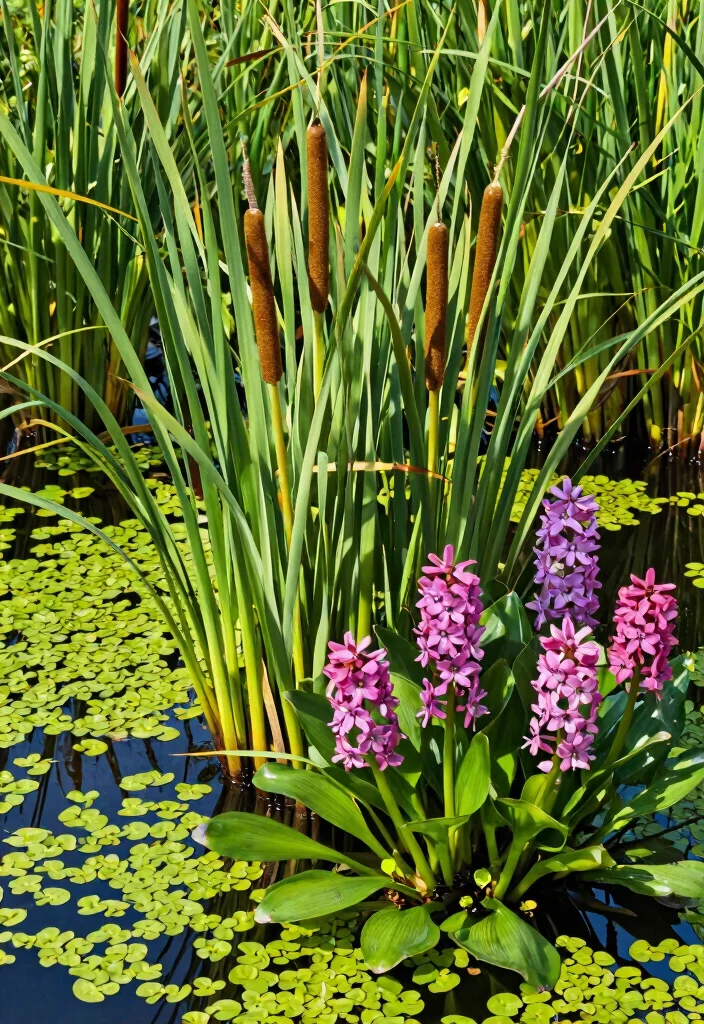
Companion planting is an excellent strategy to apply within your bog filter to promote healthy growth and natural filtration. Pairing beneficial plants can create a thriving ecosystem while keeping your water garden clean.
For example, placing water hyacinth next to duckweed can enhance nutrient uptake, helping control algae. Certain plants like cattails serve as natural filters, absorbing excess nutrients and keeping water clear.
Useful companion planting strategies:
– Research plants that attract beneficial insects.
– Pair taller plants with smaller ones for a layered look.
– Regularly check plant health to ensure compatibility.
– Keep a journal to track growth and interactions.
Implementing companion planting fosters a harmonious environment in your bog filter and water garden.
9. Utilizing Natural Mulch
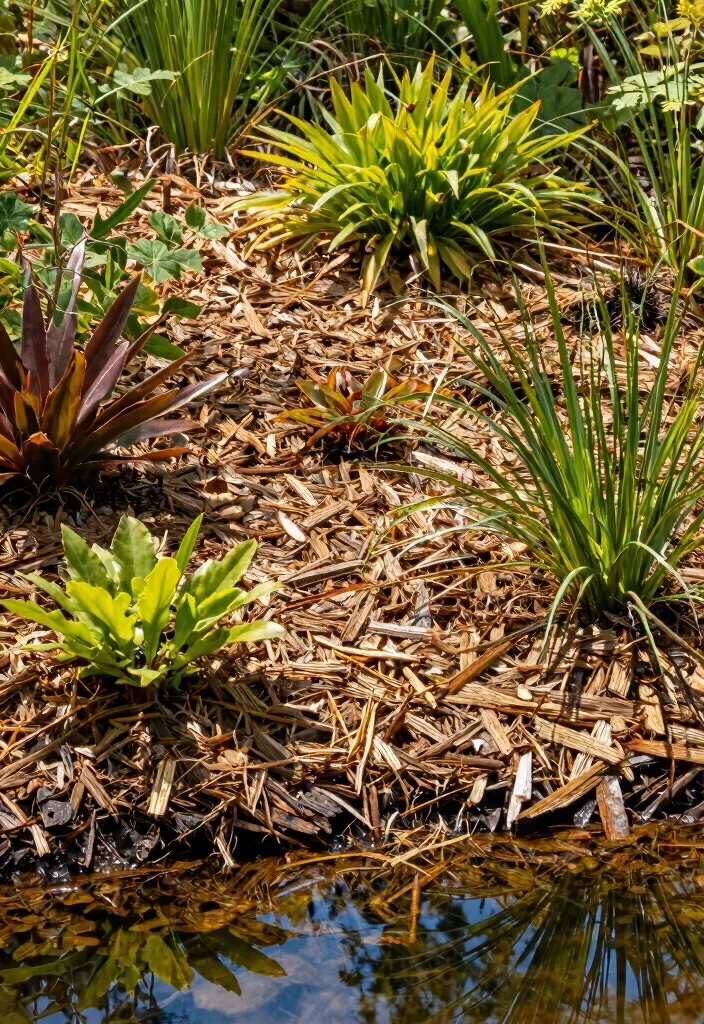
Natural mulch is a fantastic resource for enhancing your bog filter’s health and effectiveness. Organic materials like wood chips, shredded leaves, or straw help retain moisture, suppress weeds, and improve soil quality.
Applying mulch around your plants creates a moisture-retaining barrier, keeping your bog healthy. As it decomposes, mulch adds nutrients back into the soil, promoting plant growth and biodiversity in your water garden.
Effective tips for using natural mulch:
– Apply a 2-4 inch layer for optimal moisture retention.
– Avoid dyed or treated mulch that may contain harmful chemicals.
– Replenish the mulch layer regularly as it decomposes.
– Mix in compost or organic fertilizers to enhance nutrients.
Incorporating natural mulch into your bog filter design significantly boosts its ecosystem while simplifying maintenance.
10. Integrating Water Features
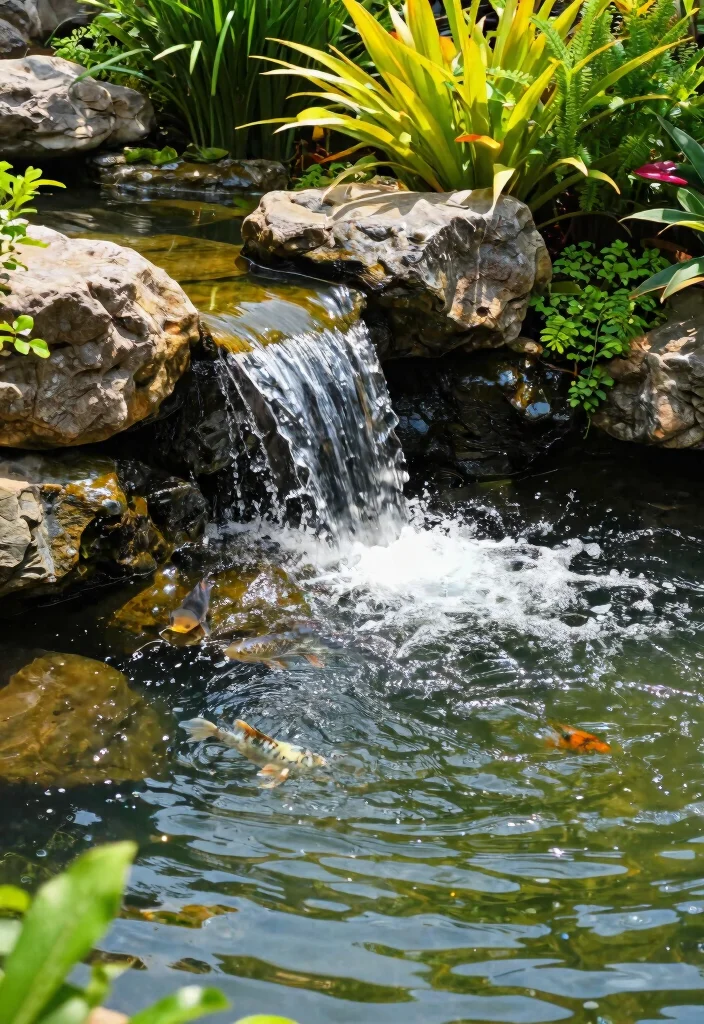
Adding water features to your bog filter enhances both aesthetics and functionality in your water garden. Elements like gentle waterfalls or bubbling streams create soothing sounds while improving water circulation for a healthier pond.
When designing your bog filter, consider a small waterfall flowing through the plants. This movement helps oxygenate the water and circulates nutrients, making your bog filter even more effective.
Ideas for integrating water features:
– Create a cascading waterfall with smooth stones for a natural touch.
– Use a fountain to add elegance and aerate the water.
– Design a stream that meanders through the bog filter area.
– Ensure water features are low-maintenance and blend with the environment.
With careful planning, water features can transform your bog filter into a stunning focal point in your garden.
11. Color-Coding for Aesthetics
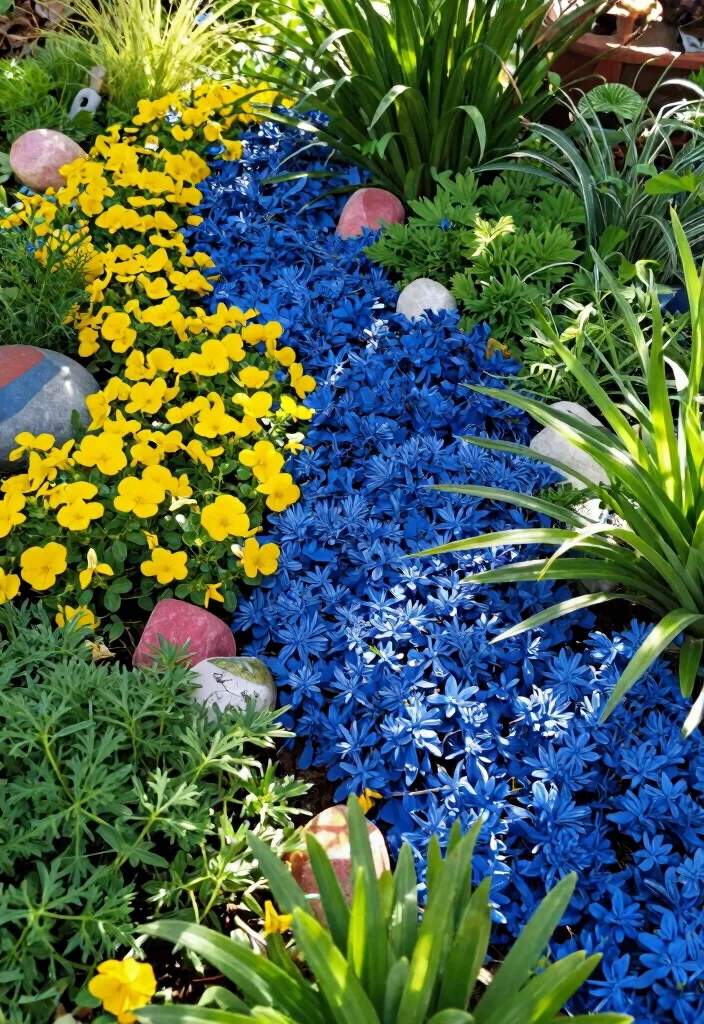
Creating a color-coded bog filter combines beauty with functionality in your water garden design. By selecting plants based on color, you can achieve striking contrasts and harmonious blends that elevate your landscape’s appeal.
For instance, pairing vibrant yellows with deep blues creates stunning contrasts, while various shades of green provide a soothing atmosphere. This thoughtful arrangement also helps plants thrive by placing sun-loving species in optimal light.
Tips for color-coding your bog filter:
– Choose a color palette that complements your garden theme.
– Group plants by bloom time for a changing seasonal display.
– Mix textures with colors for added depth.
– Incorporate decorative elements in line with your color choices.
Thoughtful plant selection and arrangement can create a captivating bog filter that serves as a beautiful centerpiece in your water garden.
12. Embracing Sustainable Practices
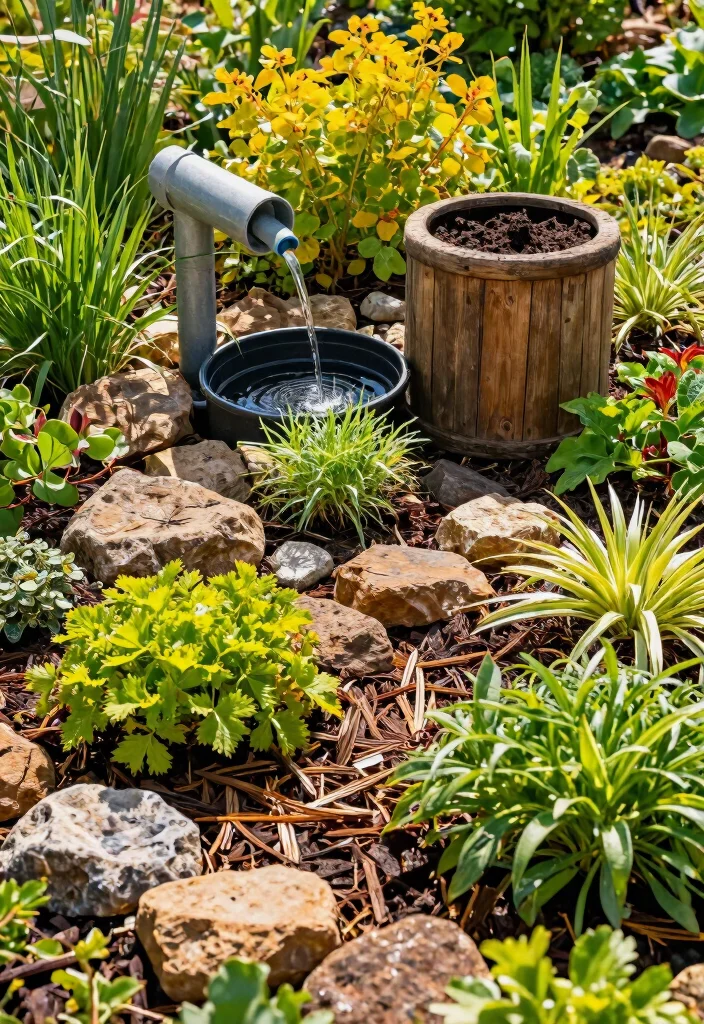
Embracing sustainable practices in your bog filter design is key to fostering an eco-friendly water garden. Opt for organic fertilizers, natural pest control, and sustainable materials to thrive without harming the environment.
Incorporating rainwater collection systems supports your bog filter by providing hydration without relying on municipal sources. This approach conserves water and reduces your environmental impact.
Sustainable practices to consider:
– Use locally sourced plants to minimize transportation emissions.
– Implement composting for organic waste to enrich soil naturally.
– Prioritize water conservation methods like drip irrigation.
– Learn about local biodiversity to enhance your gardening impact.
By integrating these sustainable practices, you can create a beautiful water garden that positively contributes to the environment.
Did you know rainwater collection can slash municipal water use in pond bog filter ideas? Up to 60%, and pairing with organic fertilizers and natural pest control keeps your eco-friendly water garden thriving.
Conclusion
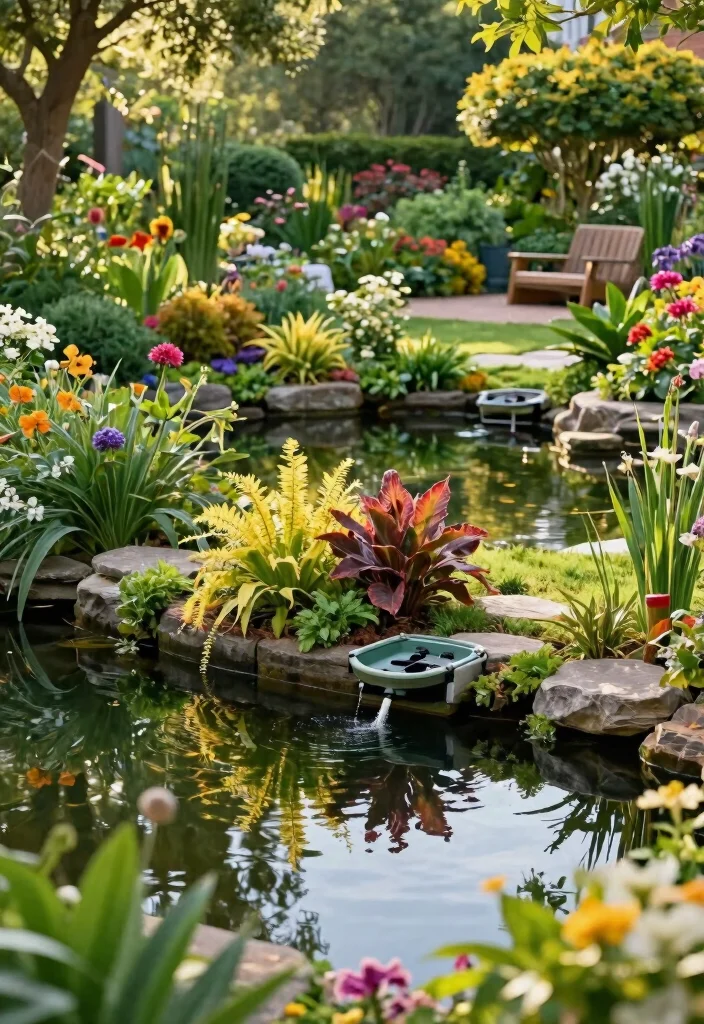
By exploring these twelve pond bog filter ideas, you can transform your water garden into a lush, eco-friendly haven. Each concept enhances not only the beauty of your garden but also promotes a healthier ecosystem. The integration of native plants, seasonal rotations, and sustainable practices will ensure that your water garden thrives naturally, offering a sanctuary for wildlife and a peaceful retreat for you. It’s time to get creative and start implementing these ideas to enjoy the many benefits of a well-maintained, naturally filtered pond.
Happy gardening!
Frequently Asked Questions
What is a pond bog filter and how does it work for natural water filtration?
A pond bog filter is a shallow, planted bed at the edge of your pond that uses natural water filtration to clean water. It relies on aquatic plants, gravel, and beneficial microbes to take up nutrients and trap debris, circulating cleaner water back to the pond. By design, it reduces algae and chemical needs, making it a practical part of garden pond maintenance. Start with a 6–12 inch deep bog bed and a gentle pump, then expand your pond bog filter ideas as your water garden design evolves.
Which aquatic plants are best for a bog filter to improve garden pond maintenance?
Choose plants that thrive in wet, shallow soils. Great options include water iris, cattails, marsh marigold, and pickerel weed, all known for strong nutrient uptake and habitat creation. These plants deliver clear water and oxygenated zones, boosting the aquatic plant benefits in your bog bed. Plant in groups for impact, provide sun, and trim as needed to prevent overgrowth that could crowd the main pond. This approach supports water garden design and easier garden pond maintenance.
How many pond bog filter ideas can I implement in a single water garden design?
There isn’t a hard limit—start with a few core ideas and scale up as space and flow allow. Try combining a linear bog bed, a shallow planter bog, and a small floating island to maximize filtration and visual interest. Balance water flow to avoid short-circuiting through one area, and monitor water clarity to decide when to add another element. pond bog filter ideas should complement your overall water garden design without overwhelming the system.
What setup is required to design an eco-friendly bog filter system in a small garden pond?
Begin with a compact plan: mark a bog zone 6–12 inches deep, install a simple bed with gravel or soil, and use a low-energy pump or gravity feed to circulate water. Choose native aquatic plants to reduce maintenance and water needs, and consider repurposed or natural materials for edging to boost eco-friendly gardening. Ensure good drainage, secure liner or containment, and keep the bog connected to the main pond for continuous filtration. This setup aligns with thoughtful garden pond maintenance and a cohesive water garden design.
Can bog filters improve water clarity without chemical treatments?
Absolutely. A healthy bog filter acts as a natural biofilter, pulling nutrients from the water and letting beneficial microbes do the heavy lifting. With well-planted beds and proper flow, you’ll see fewer algae blooms and clearer water, all without chemicals. Maintain by managing plant growth, avoiding overfeeding fish, and checking the system regularly to keep the filtration cycle running smoothly. It’s a practical win for eco-friendly gardening and garden pond maintenance.
Related Topics
pond bog filter ideas
natural water filtration
eco-friendly gardening
aquatic plant benefits
garden pond maintenance
water garden design
sustainable landscaping
beginner friendly
DIY pond filters
easy maintenance
outdoor water features
seasonal pond care