
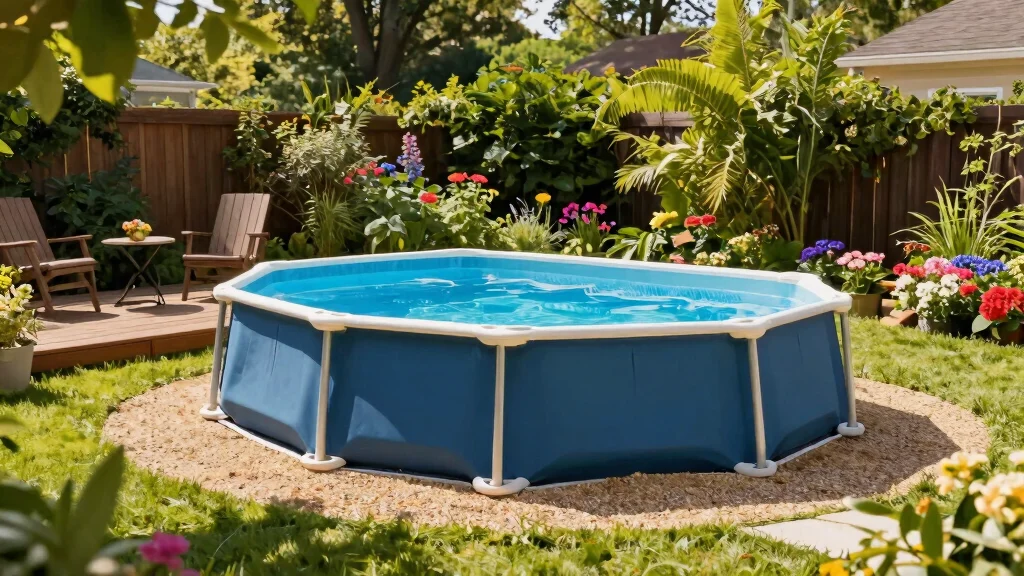
Building an above ground pool can be a thrilling experience, but it often comes with its own set of challenges, particularly when it comes to leveling the ground. This post was created to help you navigate those challenges and ensure your pool sits on a perfectly flat base. Achieving that ideal level is crucial. It not only enhances the aesthetics of your backyard but also ensures a safe and enjoyable swimming environment for everyone.
If you’re a DIY enthusiast or a homeowner ready to take the plunge into pool ownership, this article is for you. You care about creating a functional space that looks great and stands the test of time. You want to avoid the hassle of pool problems down the line, like uneven water levels or structural issues. That’s why I’ve pulled together 12 effective above ground pool leveling ideas. These tips are practical, easy to follow, and designed to give you a solid foundation for your pool.
Get ready to dive into a world of DIY pool base techniques that will leave you feeling confident and excited about your new backyard oasis. From using a simple sand and gravel mixture to creative landscaping around your pool, you’ll find actionable advice that makes the process straightforward and enjoyable. Let’s jump right in!
Key Takeaways
– Understand the Importance: A level pool base prevents structural issues and ensures a safe swimming experience. Proper leveling enhances your pool’s performance.
– Explore Various Techniques: From using a sand and gravel mixture to DIY concrete slabs, there are multiple ways to achieve a flat surface. Each method fits different needs and terrains.
– Consider Landscaping Solutions: Incorporating landscaping techniques, like terracing for slopes or using retaining walls, can improve both aesthetics and stability around your pool.
– Tools Matter: Having the right tools, like a laser level or a leveling tool, can simplify the process. Accurate measurements are key to ensuring a perfectly flat base.
– Final Checks: Always perform final checks with a leveling tool before filling your pool. This ensures that everything is just right for a fun and safe experience.
1. The Sand and Gravel Mixture
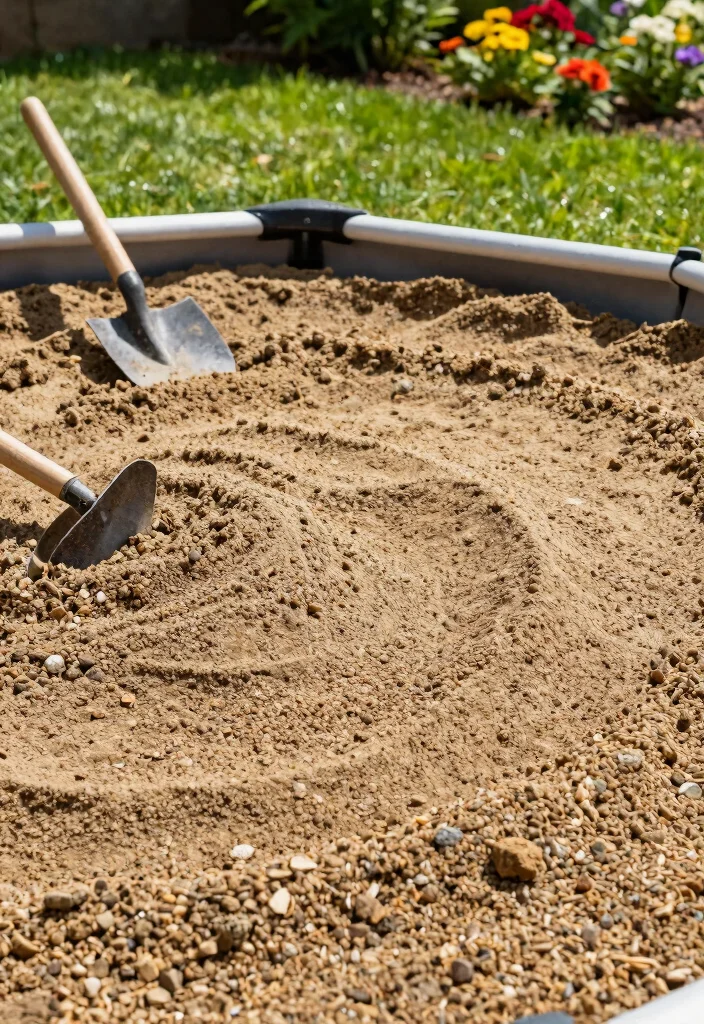
If you’re looking for a dependable way to level your above ground pool, consider a sand and gravel mixture. This combination offers a solid, adaptable base that can handle slight ground shifts with ease. Sand promotes effective drainage, while gravel adds crucial stability, creating a perfect balance for your pool setup.
To get started, excavate the area slightly deeper than your pool dimensions. Spread a layer of gravel evenly, then add a thin layer of sand on top. Use a tamper to compact this mixture for a smooth, flat surface.
Key steps to achieve a stable base:
– Excavate the area to the right depth
– Spread gravel evenly before sand
– Compact the mixture for stability
This method not only ensures a strong foundation but also enhances drainage, minimizing the risk of water pooling around your pool. Plus, the sandy look can seamlessly integrate into your garden, boosting your outdoor aesthetic.

Stable Pool Step Support: Keep above ground pool steps, stairs, and ladders steady with these fillable pool weights. Each pool weight bag holds up to 52 lbs of sand or 35 lbs of water, helping reduce floating, shifting, and wobbling during use.


Durable Pool Step Weights 500D PVC Tear-Resistant Sand Bags: These pool step weights are made of premium 500D PVC waterproof fabric, which is tear-resistant, puncture-proof, and UV-protected. Functions as pool ladder weights, swimming pool sand bags, or above-ground pool ladder weights built to last on rough pool bottoms without leaking sand
2. Using a Laser Level
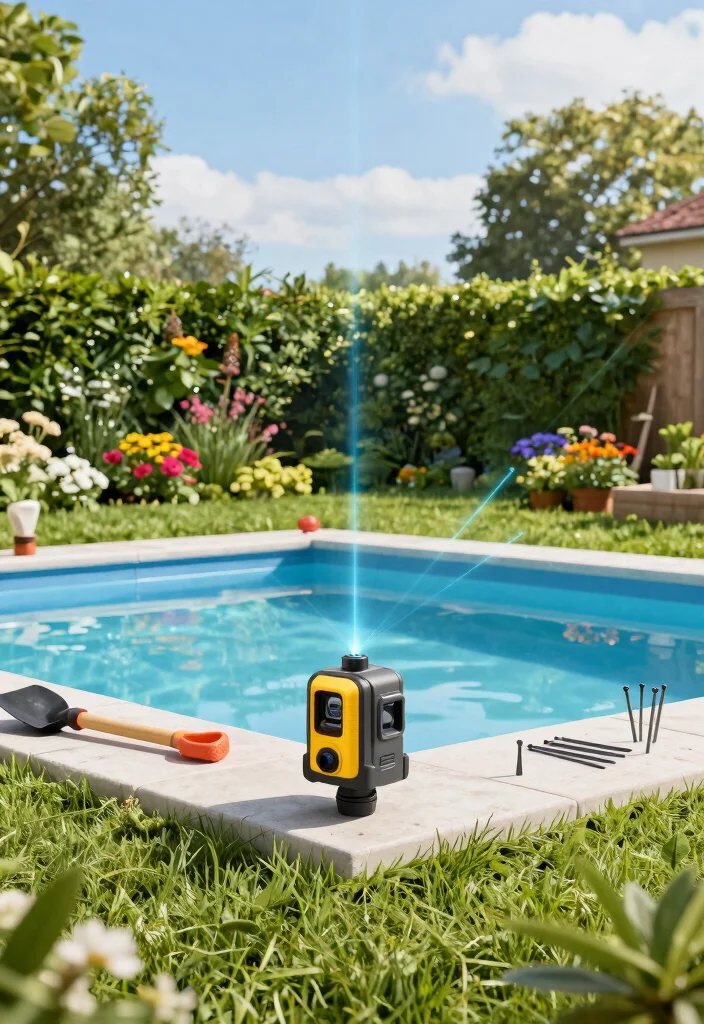
For those who crave precision in leveling, a laser level tool is your best friend. This modern approach allows you to measure the surface with pinpoint accuracy, ensuring every corner of your pool is perfectly aligned. Using it effectively can save you time and effort in the long run.
Set up the laser level on a tripod in the center of your pool area and adjust until the beam is visible around the perimeter. Mark the height with stakes or chalk, then excavate the ground to match.
Steps for accurate leveling:
– Set up the laser in the center
– Mark the desired height with stakes
– Excavate the ground to match
Using a laser level guarantees a flawless base, allowing you to shift your focus towards finishing touches like landscaping and decor, making your outdoor space truly shine.
Using a laser level makes those above ground pool leveling ideas feel doable — precision saves time and backache. Set the tripod, mark the height, and where the beam lands, you excavate. A perfectly flat base means fewer surprises when you install the pool.

Ground Shield Protects Your Pool Liner: This 12-foot round, heavy-duty, extra-thick pool liner pad safeguards your above-ground pool liner from punctures, tears, abrasions, and rips caused by rocks, roots, glass, and other sharp objects. It extends the liner's lifespan and reduces the risk of damage and costly replacements. The pad also provides a thin layer of cushioning underfoot, making the pool more comfortable to walk on.
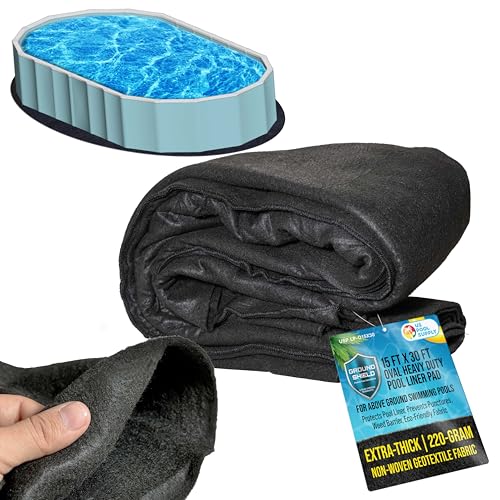
Ground Shield Protects Your Pool Liner: This 15-foot x 30-foot oval, heavy-duty, extra-thick pool liner pad safeguards your above-ground pool liner from punctures, tears, abrasions, and rips caused by rocks, roots, glass, and other sharp objects. It extends the liner's lifespan and reduces the risk of damage and costly replacements. The pad also provides a thin layer of cushioning underfoot, making the pool more comfortable to walk on.

Ground Shield Protects Your Pool Liner: This 27-foot round, heavy-duty, extra-thick pool liner pad safeguards your above-ground pool liner from punctures, tears, abrasions, and rips caused by rocks, roots, glass, and other sharp objects. It extends the liner's lifespan and reduces the risk of damage and costly replacements. The pad also provides a thin layer of cushioning underfoot, making the pool more comfortable to walk on.
3. Wooden Base Frame
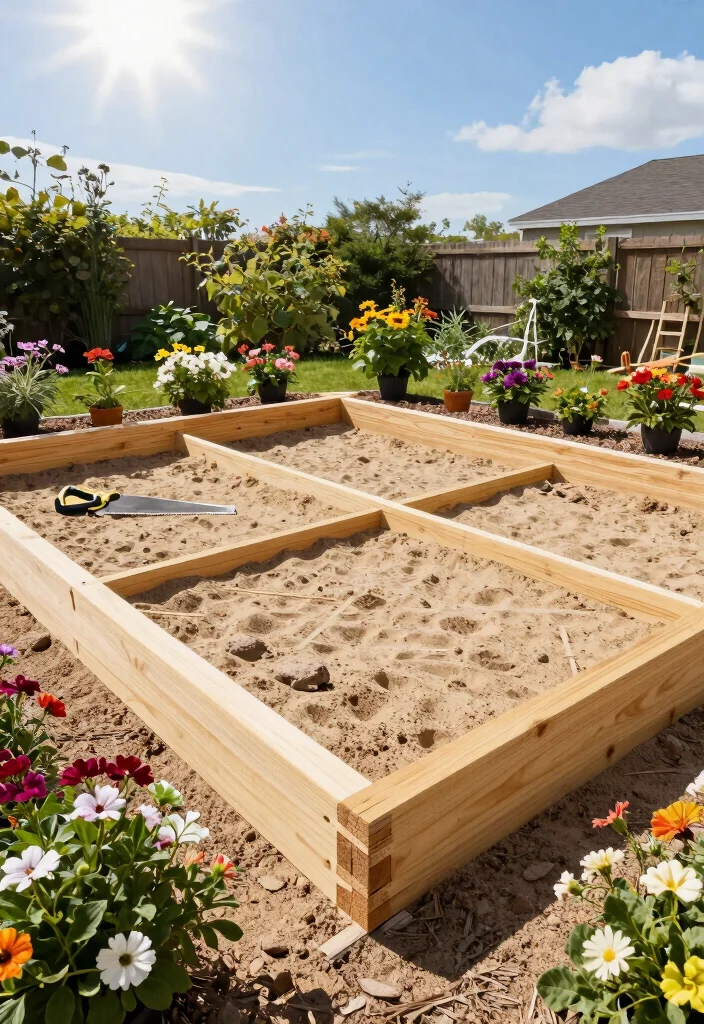
Consider building a wooden frame if you need a reliable surface for your above ground pool. This technique is perfect for uneven or sloped ground, providing a stable foundation. Plus, it can enhance the overall look of your outdoor area.
Begin by marking the pool area with stakes and string. Construct a frame using treated lumber, ensuring it aligns with your desired height. Fill the frame with sand, gravel, or concrete, then compact it to solidify your base.
Steps to create a wooden frame:
– Outline the area with stakes and string
– Build a frame from treated lumber
– Fill and compact for a solid base
This wooden structure not only creates a flat surface but can also be beautifully integrated into your landscape, offering spaces for flowers or seating that make your backyard inviting.

Bright Green Laser Beam: The lase level has a bright cross-line green laser that is easily projected at a wide Angle of 110°, which can assist your leveling work.

【Ultra-Bright Green Beam & High-Precision Accuracy】Powered by an advanced green laser diode, this tool delivers 4X the brightness of standard red lasers (laser level 360 self leveling). The vivid green cross-line remains clearly visible indoors up to 100ft, even in well-lit conditions. Enjoy professional-grade precision with ±1/9 inch accuracy at 33ft (±3mm @10m) and a wide 110° projection angle. Whether tiling a wall or installing shelving, achieve perfect alignment with zero guesswork. (Class II <5mW, IP54 dust/water resistant),

★ DUAL MODES & SELF-LEVELING ★ The cross line laser with slide switch enable you to set 2 modes, self-leveling mode and manual mode. When working in self-leveling mode, the range of leveling and compensation is 4°± 1°and the laser level will automatically level for horizontal/vertical/cross line, otherwise the laser will flash to indicate thr out-of-level condition. In manual mode, the self-leveling function is deactivated and the cross is locked to use the device at any angle.
Difficulty Rating & Requirements
Overall Difficulty Rating: Medium
Leveling an above ground pool can be a bit challenging, but it’s manageable for most DIY enthusiasts. If you have some basic understanding of landscaping or construction, you’ll find it easier. This project is best suited for homeowners who enjoy hands-on tasks and are ready to invest some time into creating a stable and even base for their pool.
Time Estimate:
⏱ Estimated time: 2-4 days
– Site Preparation: 1 day
– Leveling Techniques (e.g., sand mixture, gravel pad): 1-2 days
– Final Check and Adjustments: 1 day
Skill Requirements:
– Required skills: Basic landscaping knowledge, ability to use tools (like a shovel, rake, or level)
– Beginner-friendly: Yes. If you follow the instructions closely, you can learn the necessary skills on the job.
– Skills that can be learned: Basic leveling techniques and soil compaction methods.
– Skills requiring experience: Precise leveling with tools like laser levels may require some practice.
Tools & Materials Needed:
🧰 Essential items checklist:
– Shovel (required)
– Rake (required)
– Leveling Tool (required)
– Compactor or Tamper (optional but recommended for better compaction)
– Laser Level (optional but useful for accuracy)
– Sand and Gravel (required)
– Landscape Fabric (optional for weed prevention)
– Retaining Wall Materials (optional for slopes)
Step-by-Step Overview:
1. Site Preparation (1 day): Clear the area of debris, rocks, and vegetation. Mark the pool’s outline.
2. Leveling Ground (1-2 days): Choose your leveling technique, whether it’s using a sand and gravel mixture or a concrete slab. This phase involves significant manual labor.
3. Compaction (1 day): Use a compactor or tamper to ensure the base is solid and well-packed, minimizing future settling.
4. Final Checks (1 day): Use a leveling tool to confirm the surface is even. Make any necessary adjustments.
Professional vs DIY:
Hiring a professional to level your above ground pool can cost anywhere from $500 to $1,500, depending on the complexity of your yard and the materials used. If you choose the DIY route, you might spend around $200 to $600 on materials and tools. This option can save you money, but it requires effort and time. Decide based on your budget and willingness to take on a physical project!

Keep Your Pool Clean: Help catch leaves and debris before they sink to the bottom of the pool with the Intex Deluxe Wall Mount Surface Automatic skimmer basket
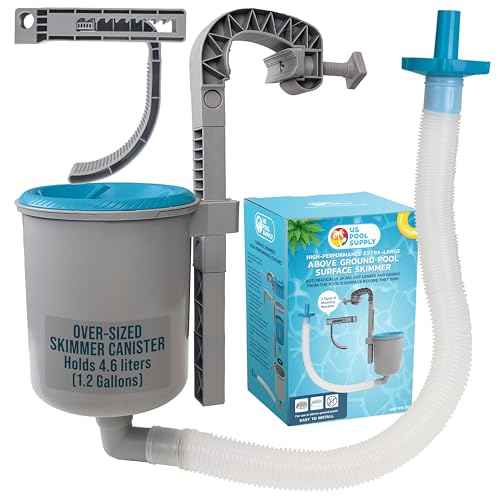
Effective Heavy-Duty Design: A premium-quality, over-sized wall-mounted above-ground pool surface skimmer that automatically skims out leaves and waste from the pool's surface before they sink. The skimmer is made of durable UV resistant ABS and polypropylene plastic.

Complete pool return jet fitting for above-ground pool Vinyl Liner
4. Gravel Pad with Pavers
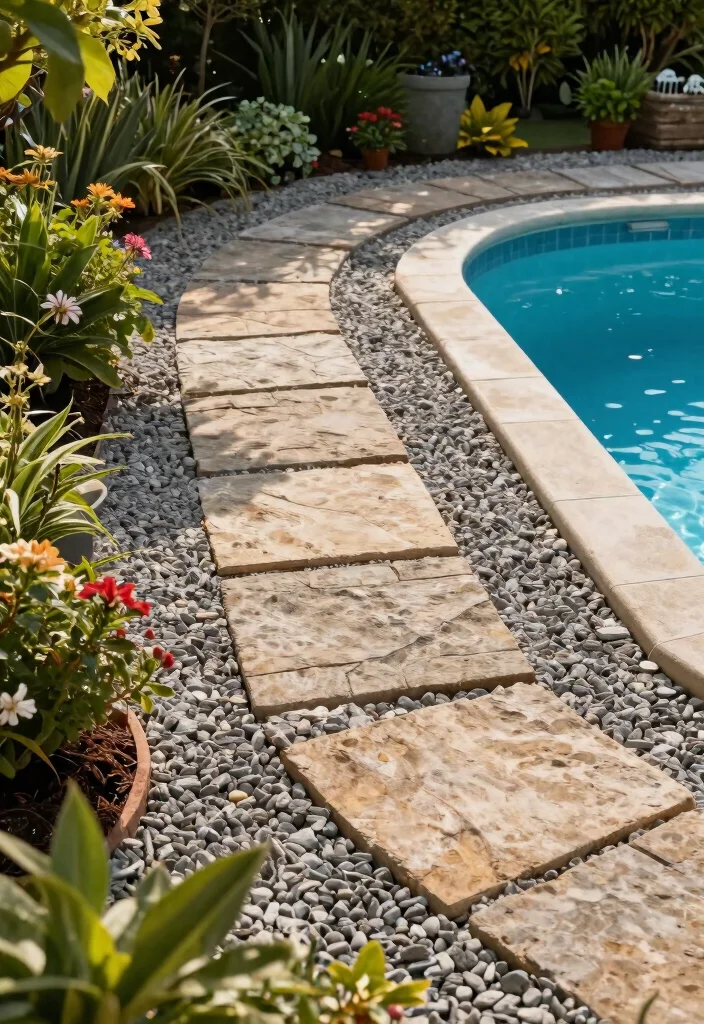
Elevate your pool area by combining a gravel pad with pavers. This approach not only provides a sturdy base but also adds an element of style to your outdoor space. It’s a great way to create an attractive and functional area around your pool.
Start by excavating the pool area and adding a layer of gravel. Lay pavers in a chosen pattern around the pool, ensuring they are level with the gravel. Fill gaps with sand to secure the pavers and give a clean finish.
Steps to create a stylish pool base:
– Excavate and add gravel for a base
– Lay pavers in a decorative pattern
– Fill gaps with sand for stability
This method levels your pool while enhancing your garden’s aesthetics, providing a chic walkway that invites relaxation and fun.

Clear Pool Water: Designed for above ground and inground pools, this filter sand captures leaves, dirt, dust, sunscreen oil, hair, and small particles to help maintain clean, inviting water.

High-Quality Filtration: 50 pounds of pre-washed, kiln-dried natural silica sand for pool filter captures dirt, leaves, hair, and debris without clogging or clumping

Pool Filter Sand: U.S. Silica Silurian is 20-grade angular silica sand with 0.40-0.55 mm grains, made to trap dirt, oils, and debris while keeping water flowing steadily.
5. Terracing for Slopes
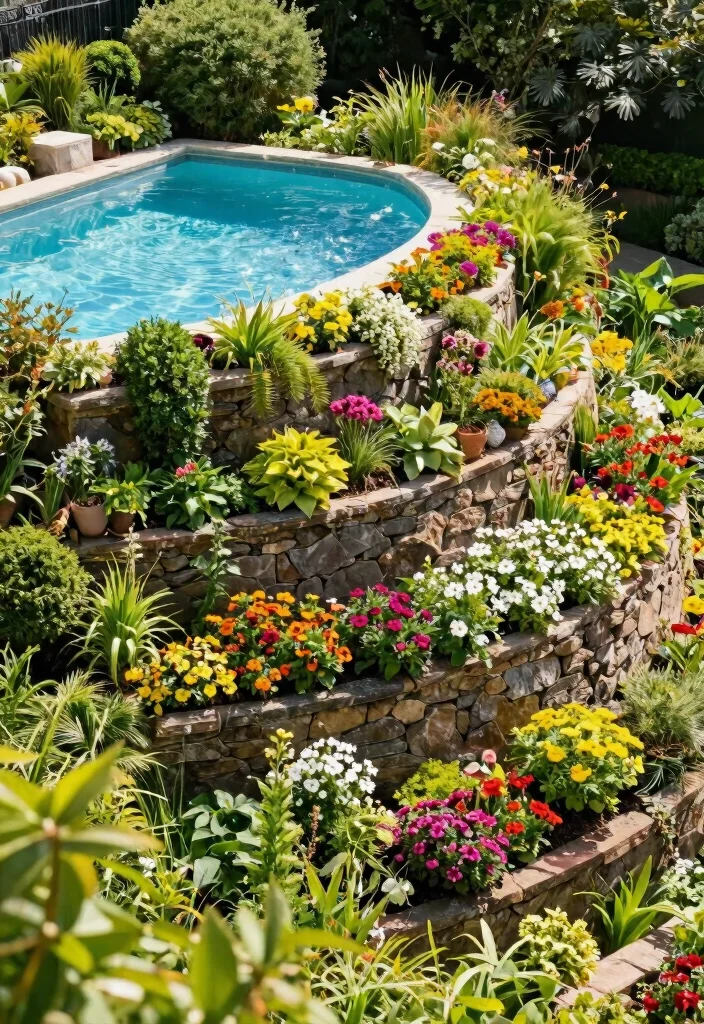
If your yard slopes, terracing can be a smart solution for leveling your pool. This technique flattens the area while adding visual interest to your landscape. It’s a creative way to utilize uneven ground effectively.
Start by identifying the slope and deciding on the number of levels to create. Dig into the slope to form flat layers where the pool will sit, reinforcing edges with stones or timber for stability.
Steps for effective terracing:
– Assess the slope and plan your levels
– Dig flat areas for pool placement
– Reinforce edges with durable materials
Terracing not only levels your pool but also creates opportunities for planting flowers or shrubs, turning your pool area into a vibrant outdoor oasis.

Ground Shield Protects Your Pool Liner: This 16-foot x 32-foot oval, heavy-duty, extra-thick pool liner pad safeguards your above-ground pool liner from punctures, tears, abrasions, and rips caused by rocks, roots, glass, and other sharp objects. It extends the liner's lifespan and reduces the risk of damage and costly replacements. The pad also provides a thin layer of cushioning underfoot, making the pool more comfortable to walk on.

Ground Shield Protects Your Pool Liner: This 21-foot round, heavy-duty, extra-thick pool liner pad safeguards your above-ground pool liner from punctures, tears, abrasions, and rips caused by rocks, roots, glass, and other sharp objects. It extends the liner's lifespan and reduces the risk of damage and costly replacements. The pad also provides a thin layer of cushioning underfoot, making the pool more comfortable to walk on.

ENHANCED POOL LINER PROTECTION: Protect your pool liner with this 180 GSM heavyweight above-ground pool mat. This dense layer acts as a tough physical barrier against punctures from stones, tree roots, debris, and sharp objects, providing a durable defense line on grass, concrete, or uneven surfaces to extend the life of your liner.
6. Sand Compaction Methods
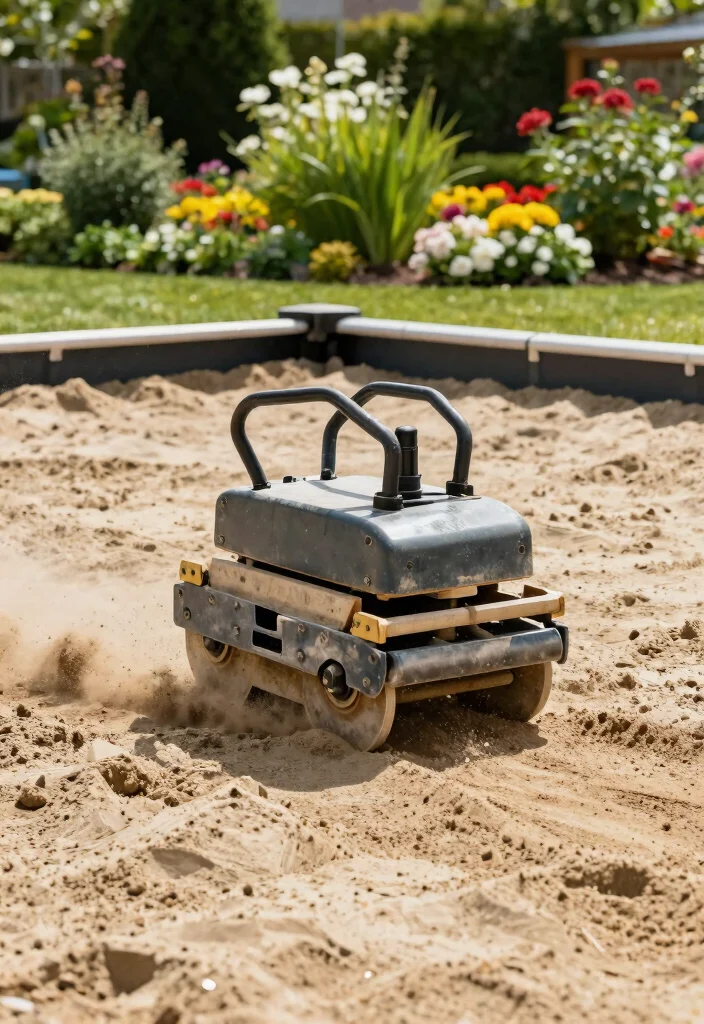
When choosing sand as your pool base, proper compaction is key to stability. Effective compaction prevents settling and shifting, ensuring a solid foundation for your pool. Here’s a straightforward method to achieve that perfect level.
Spread a thick layer of sand over the designated area. Use a plate compactor to compress the sand thoroughly, checking the level frequently with a leveling tool to ensure an even surface.
Steps for proper sand compaction:
– Spread sand evenly over the area
– Use a plate compactor for thorough compression
– Regularly check the level for accuracy
Well-compacted sand provides a dependable base, crucial for the longevity of your pool structure and enhancing your peace of mind.
For top-notch above ground pool leveling ideas, remember: proper sand compaction is the key. Use a plate compactor and recheck the level often to prevent settling and shifting. A quick retry now saves headaches later.

Size & Comaptibility: With two extending poles - 8-inch and 12-inch. These two extending poles are only compatible with Huepar12 Ft./3.7M Professional Laser Level Pole LP36A

SELF-LEVELING LASER LEVEL – A 360-degree rotating wall attachment projects the laser line at any angle.

Dual Modules & 3 Projecting Modes: PREXISO line laser has two laser sources. Laser level with the professional laser head is more accurate. Projects bright horizontal, vertical & cross 3 modes lines onto flat surfaces and levels, stable than other common equipment; Class II laser product, maximum laser output < 1mW
7. DIY Concrete Slab
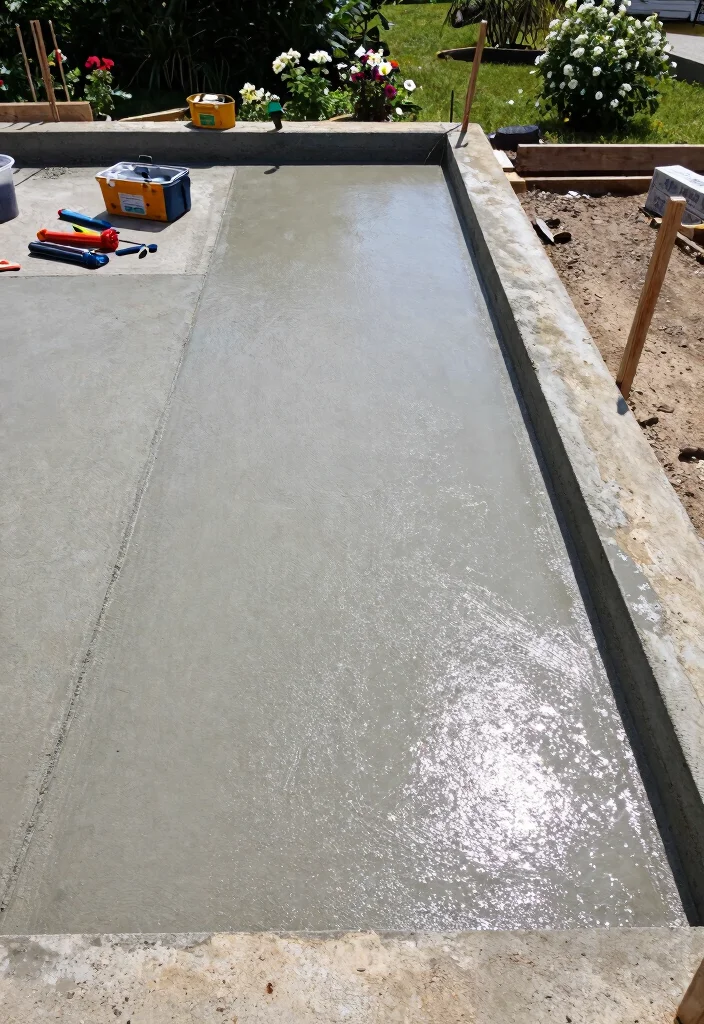
For a long-lasting solution, consider pouring a concrete slab for your pool base. While it requires more effort, the result is a durable and permanent foundation. This method supports your pool while enhancing your outdoor space.
Start by excavating the site and marking the pool dimensions. Build a frame to hold the concrete, then mix and pour it into the frame, leveling it with a screed board. Allow the concrete to cure completely before setting up your pool.
Steps to create a concrete base:
– Excavate and mark the area
– Build a frame to contain the concrete
– Mix and pour, then level with a screed
A concrete slab not only supports your pool but also serves as a reliable platform for surrounding furniture, creating a functional and stylish outdoor living area.

Professional-Grade Pool Wall Foam Protection: This above ground pool wall foam creates a smooth protective barrier between metal walls and the liner, guarding against rips, dents, and punctures that lead to costly liner replacements

Help catch leaves and debris before they sink to the bottom of the pool with the Intex Deluxe Wall Mount Surface Automatic Skimmer

Debris Protection Shield: Above-ground swimming pool cover will prevent debris, leaves, and trash from getting into and contaminating the pool water
8. Landscape Fabric for Weed Prevention
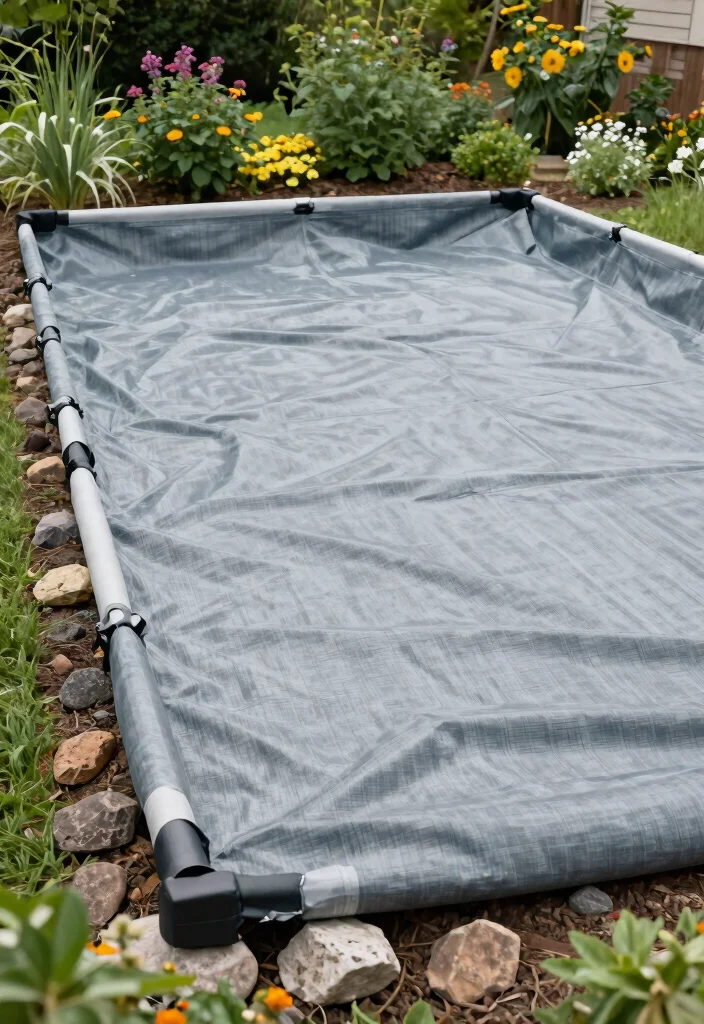
When leveling your pool area, using landscape fabric can significantly reduce weed growth. This simple addition enhances the longevity of your pool’s foundation and keeps your area looking tidy. It’s an effective way to maintain a clean environment.
Lay landscape fabric over the leveled area before placing sand or gravel. Cut holes for drainage if necessary, then cover with your chosen leveling material, ensuring the fabric stays in place.
Steps for using landscape fabric:
– Lay the fabric over the leveled area
– Cut holes for drainage as needed
– Cover with sand or gravel to secure
This technique not only minimizes maintenance but also keeps your pool area looking pristine, allowing you to enjoy your outdoor space more fully.

20 pounds of pre-washed, kiln-dried natural silica Pool & Spa Filter sand captures leaves, hair without clogging or clumping

50-pound bag of quality angular-shaped sand provides maximum entrapment of solids, optimizing your pool's filtration abilities

Easy To Install.
9. Natural Sloped Base with Soil Compaction
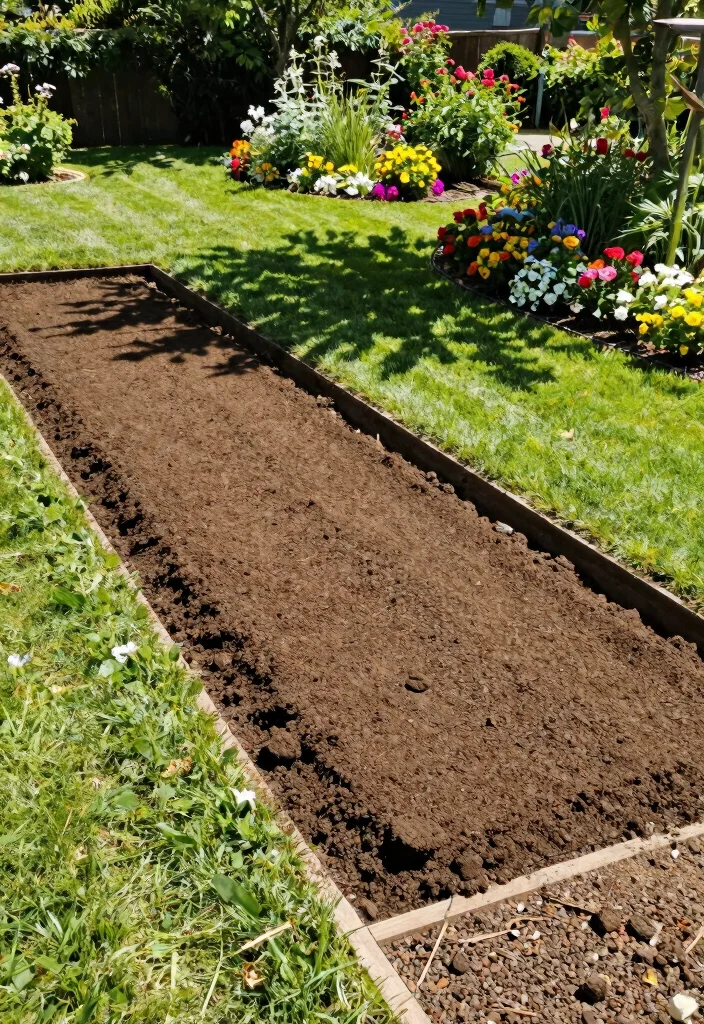
For an eco-friendly approach, utilizing naturally sloped soil can be an effective leveling method. This technique reduces material usage and seamlessly blends with your landscape, promoting natural beauty.
Identify the natural slope of your yard and decide how much to utilize. Compact the soil using a hand tamper or mechanical compactor, checking the level for accuracy as you work.
Steps for using natural soil:
– Assess the natural slope of your yard
– Compact the soil for an even surface
– Frequently check the level during compaction
This method not only levels your pool but also maintains the environment while enhancing your backyard’s natural charm.

Ground Shield Protects Your Pool Liner: This 18-foot x 34-foot oval, heavy-duty, extra-thick pool liner pad safeguards your above-ground pool liner from punctures, tears, abrasions, and rips caused by rocks, roots, glass, and other sharp objects. It extends the liner's lifespan and reduces the risk of damage and costly replacements. The pad also provides a thin layer of cushioning underfoot, making the pool more comfortable to walk on.
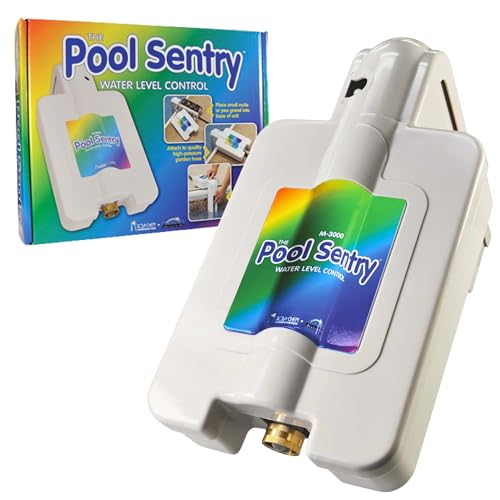
AUTOMATIC WATER LEVELING – The M-3000 Pool Sentry is the industry leading automatic pool filler - our patented design including our adjustable float valve mechanism maintains ideal water levels in pools, spas, and ponds so you don’t have to!

【24ft Easy Installation】 Pre-cut to an 24ft round design, this under pool mat is ready for immediate use. For soft-wall pools, simply place the pool ground cloth on level ground and set your pool on top. For hard-wall pools, lay the pool mats inside the structure before the pool liner installation. It provides a perfect fit without trimming, though the fabric can be easily cut with scissors for a custom fit if necessary
10. DIY Landscaping with Retaining Walls
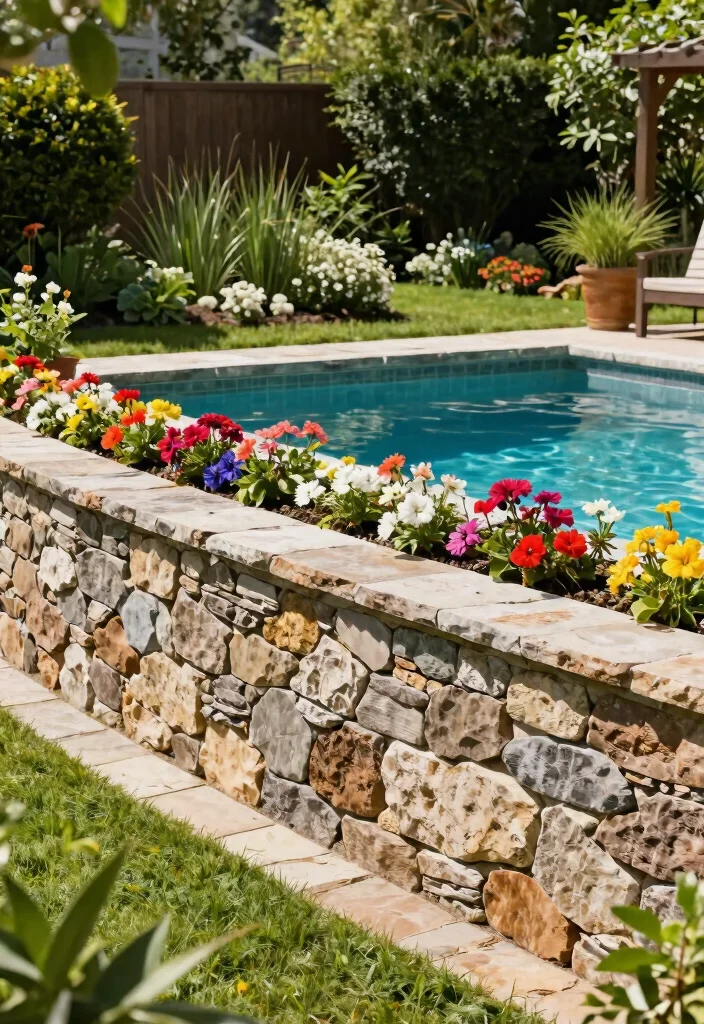
Incorporating retaining walls can elevate your leveling process from practical to aesthetically pleasing. These walls not only help with leveling but also enhance the visual appeal of your pool area, making it an inviting space.
Design your wall layout based on the slope and desired height. Choose durable materials like stone or wood that complement your garden. Construct the wall, ensuring it is level and secure.
Steps to build effective retaining walls:
– Plan your wall layout carefully
– Select materials that fit your style
– Build the wall to ensure stability
These retaining walls not only support your pool but can also serve as beautiful flower beds or seating areas, maximizing your outdoor space while creating a striking focal point.
11. Final Checks with a Leveling Tool
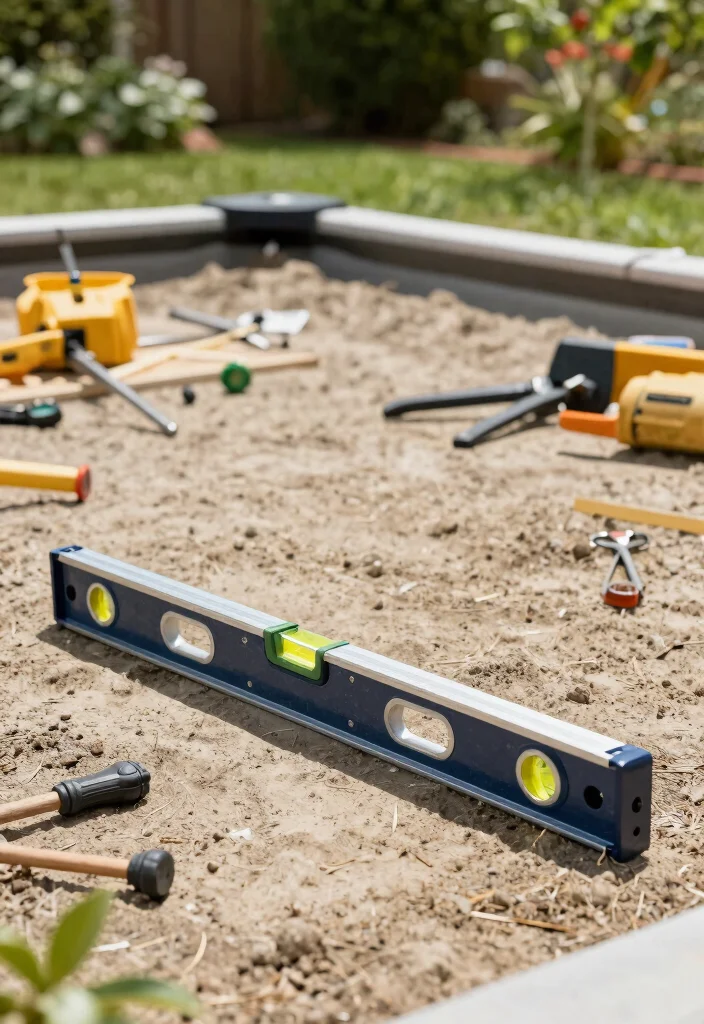
Before finalizing your pool installation, conducting thorough checks with a leveling tool is crucial. This step ensures everything is perfect before you fill your pool with water, providing peace of mind.
Use a long carpenter level or laser level to assess flatness. Make any necessary adjustments, adding or removing sand or gravel for precision. Recheck all corners and edges to confirm stability.
Steps for final checks:
– Use a carpenter or laser level to assess
– Adjust materials as needed for accuracy
– Recheck corners for final confirmation
Taking these extra precautions guarantees no surprises once your pool is filled, ensuring your new oasis is ready for enjoyment.
Did you know that a 1/4-inch dip over a 12-foot span can sabotage even the best above ground pool leveling ideas? Final checks with a leveling tool catch these issues before you fill, using a carpenter level or laser level to adjust sand or gravel, then recheck corners for stability.
12. Creative Landscaping Around the Pool
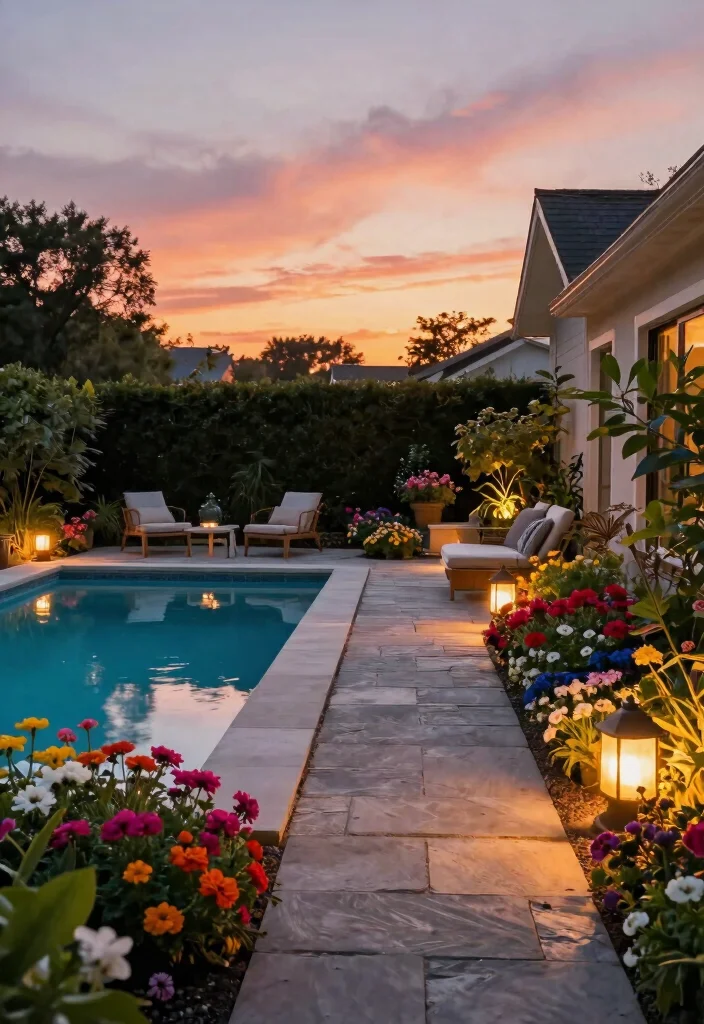
Once your pool is leveled, don’t overlook the finishing touches! Creative landscaping around your above ground pool can dramatically enhance your outdoor space. It’s all about making your pool area inviting and enjoyable.
Consider planting native flowers that thrive in your climate, and install lighting features like string lights for evening ambiance. Creating pathways with stones or pavers can also lead to the pool, making access easy.
Ideas for landscaping around your pool:
– Plant native flowers for vibrant colors
– Install lights for evening charm
– Create stone pathways for easy access
These thoughtful additions not only enhance the visual appeal but also turn your pool area into a welcoming retreat for family and friends, making it the heart of your backyard.
Conclusion
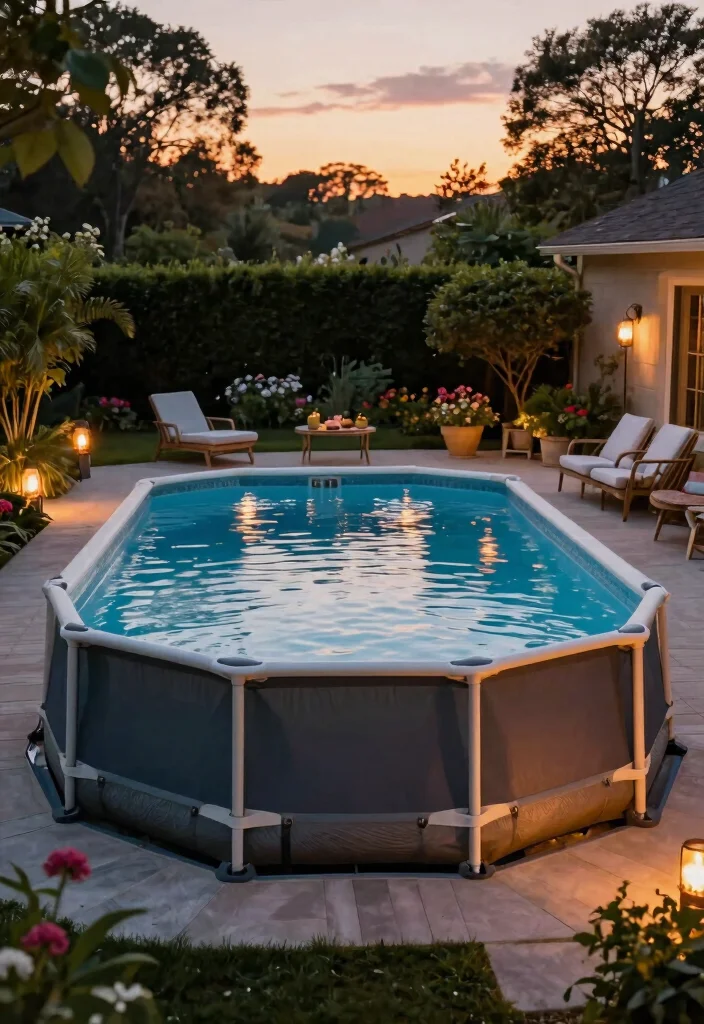
Installing an above ground pool doesn’t just mean filling it with water; it’s all about creating a solid, level base and an inviting atmosphere.
The ideas shared here not only guide you through the leveling process but also inspire ways to enhance the beauty of your outdoor space. Get ready to enjoy your new pool while basking in the joy of a well-planned and executed project!
Frequently Asked Questions
What are the most effective above ground pool leveling ideas for a perfectly flat base?
Getting a perfectly flat base starts with a clean, clear site and a good plan. Use a long straightedge and a level to spot high and low areas, then choose an approach that fits your climate and budget.
Popular above ground pool leveling ideas include: DIY pool base options like a compacted gravel or crushed stone sub-base topped with a layer of coarse sand for fine tuning, plus a weed barrier to keep roots from shifting the base. For extra stability, some builders add a concrete pad or interlocking paving tiles under the liner edge. Always re-check the entire footprint with a level after laying each layer and aim for a surface that stays level across the whole pool area. Pair these pool leveling techniques with smart landscaping for pools that slope away from the pool to ensure proper drainage.
What tools and materials do I need for pool leveling techniques when installing an above-ground pool?
Here’s a practical gear list to tackle pool leveling techniques like a pro.
Tools: tape measure, long straightedge, bubble level or laser level, shovel, rake, hand tamper or plate compactor, wheelbarrow, stakes and string for layout.
Materials: crushed stone or gravel for the sub-base (roughly 3–4 inches), coarse sand for the leveling layer (2–4 inches), landscape fabric or weed barrier, plywood sheets or foam pads for a smooth transition, and optional interlocking pavers or a solid base for a DIY pool base. If you’re aiming for a softer finish, foam leveling pads designed for above-ground pools can help. Check level frequently as you progress to stay on track.
How can landscaping for pools help stabilize the base and improve drainage during leveling ground for pools?
Landscaping for pools is more than curb appeal—it helps with stability and drainage. Start by grading the area so the surface slopes gently away from the pool (about a 1–2% grade works well). Beneath the base, lay a layer of gravel or crushed stone to aid drainage and reduce settling. Install a weed barrier to keep roots from shifting the base, and consider a French drain or perforated pipe if you have persistent water issues. Edging with pavers or timber helps hold the base in place, while choosing drought-tolerant plants or ground covers that drain well keeps moisture away from the liner. In short: smart landscaping for pools supports leveling ground for pools and makes maintenance easier.
Is a DIY pool base feasible for beginners, and what simple leveling methods work best?
Absolutely—many beginners start with a simple, forgiving layered base. A popular DIY pool base method is a two- or three-layer approach: first a compacted gravel sub-base for stability, then a leveling layer of sand to smooth out irregularities, and finally a protective underlayment or mats before the liner goes in. Avoid pouring concrete unless you have experience and local permits. Throughout, use a straightedge and level to confirm level across the footprint and fill low spots gradually with sand, compacting between passes. This approachable approach lets you achieve a solid base without heavy equipment while keeping the process practical and safe.
How do I maintain a level base over seasons and weather changes?
Maintenance is key to long-lasting levelness. Recheck the base after heavy rain, thaw cycles, or nearby grading. If you notice settling, add small amounts of sand or fine gravel to the low spots and re-tamp. Keep the area clean of weeds with a weed barrier and ensure the base still slopes away from the pool. Consider covering the pool in winter to reduce soil movement and protect the base. With these outdoor gardening tips, your base stays flatter through seasons and your pool stays level year-round.
Related Topics
above ground pool leveling
DIY pool base
pool landscaping
leveling techniques
outdoor gardening
beginner friendly
easy installation
flat pool base
seasonal gardening
landscaping tips
backyard projects
pool maintenance