
I wash my shower curtains completely by checking the care label first and then choosing the right method. For fabric curtains, I machine wash on a gentle cycle with warm water, adding two bath towels for balance and using minimal detergent. For plastic or vinyl curtains, I use a delicate cycle with a slow spin, avoiding heat altogether. I handwash any delicate items by soaking them in a tub with mild detergent. I always air dry to prevent mold and damage. Regular maintenance is essential for keeping them fresh beyond just the wash cycle.
How to Machine Wash Shower Curtains: The Complete Guide
I wash my shower curtains regularly, and machine washing saves me significant scrubbing time. Most fabric, plastic, and vinyl shower curtains can go right into your washing machine, though I always check the care label first to avoid surprises.
I remove the curtain from the rod and take off all rings before starting. I toss in two bath towels to balance the load and add just a small amount of detergent. I run everything on a gentle cycle with warm water and a high water level setting.
For plastic curtains specifically, I switch to a delicate or handwash cycle with slow spin speeds. I never put plastic curtains in the dryer; I always air dry them instead. If I’m dealing with stubborn grime, I’ll add half a cup of bleach or color-safe bleach, following my washer’s guidance for proper placement.

Premium PEVA: 3 magnets at bottom for iron-core bathtubs & 12 metal grommet holes, it can be used as a stand-alone shower curtain or shower liner

Lightweight and flexible PEVA: Designed for easy handling and natural drape, this liner is not a heavy fabric curtain. Made from 100% PEVA material, PVC-free and odor-free, helping avoid the strong chemical smell often found in vinyl liners.

Thicker material: AmazerBath uses 12 gauge material that is thicker than other conventional shower curtain liners on the market. The bottom has 3 clear stones that add weight to the shower curtain, keeping it in place and away from your body.
Machine Washing Plastic vs. Fabric: What Changes
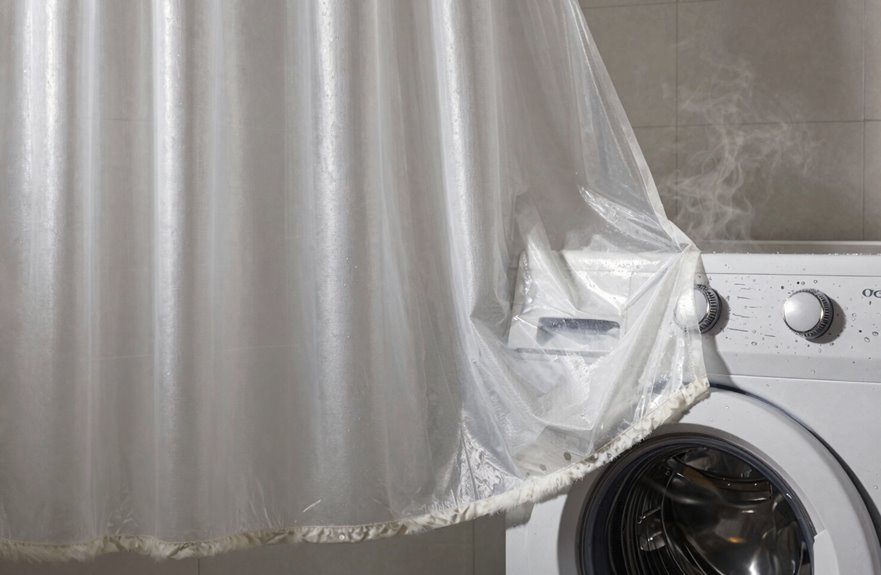
How differently do plastic and fabric shower curtains behave in the washer? They are more alike than you might expect, yet one crucial difference changes everything.
Both materials require a gentle cycle with warm or cool water and minimal detergent. I always toss in two bath towels to balance the load and protect the curtain. Plastic cannot handle heat, so I never dry it; I just hang it back on the rod. Fabric often allows for low tumble drying, though I check labels first.
Both materials need gentle care, but only fabric can handle the dryer—plastic goes straight back on the rod.
When washing plastic, I add half a cup of bleach for stubborn odors. For both types, I remove rings first and air dry.
- Feel relieved knowing you prevent melted disasters.
- Rely on care labels for guidance.
- Experience the satisfaction of fresh, clean spaces.
- Understand you are caring for your home like family.

Hotel quality protection & standard fit: This single-pack 72 x 72 inches shower curtain liner is designed to fit standard to wide tubs and showers. It provides effective water-resistant protection to keep your decorative curtain dry and floors safe, featuring a hotel-grade build for a premium feel. (Hooks not included)

【Polyester Fabric Shower Curtain】: This beige shower curtain made of high quality thick polyester fabric, features classic stylish colours add elegance and luxury to your bathroom; Modern and simple design is sure to compliment any bathroom settings or colour schemes
*HOTEL LUXURY QUALITY: Superior quality polyester liner is applicable to hotel and home décor. Closely knit thicker than ordinary fabric, a luxury and spa-like feel is delivered when showering or bathing
When to Handwash Your Shower Curtain Instead
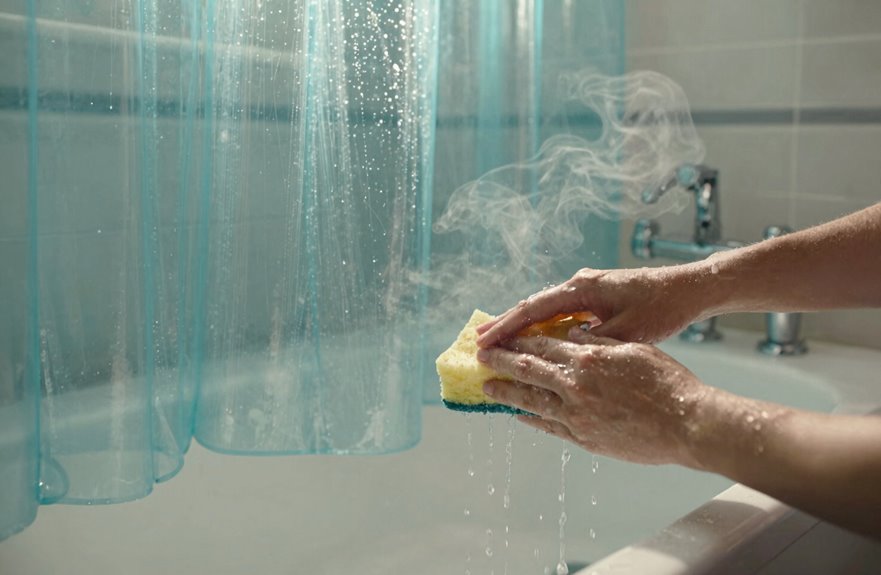
Machine washing works for most curtains, but sometimes a gentler approach is necessary. I always check the label first; if it warns against machine washing or specifies delicate care, I know it’s time to handwash. This is common with fabric curtains that may shrink or tear in the agitator.
I fill my tub with warm water, add mild detergent, and let the curtain soak for 15 to 20 minutes if it’s particularly grimy. Then, I scrub with baking soda or dish soap, rinse thoroughly, and hang it back on the rod to air dry. For plastic liners, I use the same method with a sponge instead. Taking this extra step helps maintain the freshness of my bathroom without damaging materials that I want to last.

Smooth gliding - Engineered spherical roller balls of shower curtain hooks can glide smoothly and fast across shower rod.
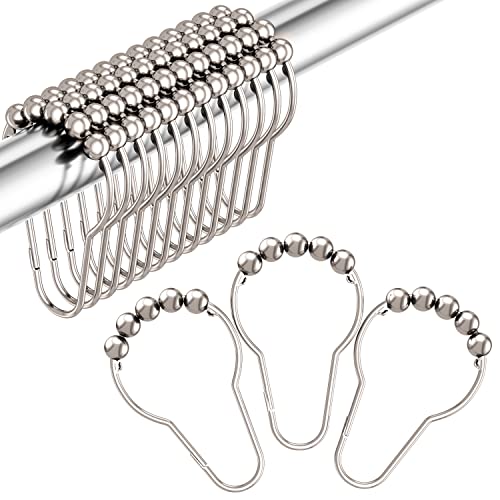
Rustproof & More Sturdy Stainless Steel - Stainless steel is more rust-resistant and sturdy than ordinary metal shower curtain hooks, allowing for years of use in the bathroom.

[ANTI-CORROSION MATERIAL]: The shower curtain hooks are made of thickened wire diameter, rust resistant and durable, enough to hang shower curtains and liners, or a variety of bathroom and living items.
How to Dry Shower Curtains Without Damage
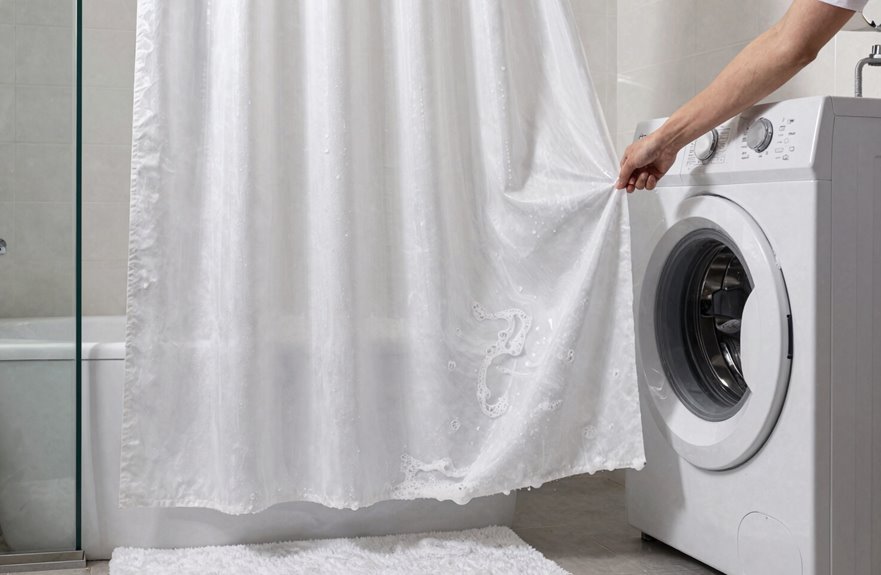
I’ll guide you through the safest methods to dry your shower curtain without causing damage. This includes air drying techniques suitable for any material, machine drying guidelines when applicable, and specific methods for different materials to avoid issues like melting, shrinking, or mildew. Properly drying your curtain helps maintain its appearance and longevity.

100% waterproof construction: Soft and durable heavyweight PEVA shower liner is guaranteed waterproof, BPA-free and odor-free (with no plastic smell!)

FEEL THE HEAVY-DUTY DIFFERENCE: This heavy duty shower curtain liner is made of 8G thick, premium PEVA material to resist rips and tears, saving you the cost and hassle of frequent replacements.

Qualified: High quality PEVA shower curtain liner is a good choice for the person who requires light weight liner for bathtub.Convenient fold, simple and low cost, the liner plays a function to better hold back water in a shower.
Air Drying Methods
Where is the safest place to dry your shower curtain? After washing my shower curtain, I always air dry it to protect my investment and keep my bathroom feeling like home.
- I hang my plastic liner back on the rod immediately; heat damages it, and I want to avoid warping something we all share.
- I give everything a gentle shake first; it reduces wrinkles and shows care for our space.
- I ensure proper ventilation near the window or outdoors so chemical odors do not linger where we gather.
- I wipe my liner weekly; this helps keep mildew away and maintains a fresh, welcoming feel.
Air drying promotes thoughtful care. No machine is needed—just patience and pride in our shared sanctuary.
Machine Drying Guidelines
While air drying works well for most shower curtains, some fabric options can handle a gentler approach. Before considering machine drying, I check the care label first; it provides essential guidance for protecting your curtains.
If the label permits machine drying, I add one or two dry towels to balance the load and absorb excess moisture. It’s important to keep the heat low and the cycle short, as high temperatures may shrink or warp your curtains. I never place plastic or vinyl in the dryer, as this can cause melting. Those materials should always be air dried by hanging them back on the rod.
Remove your fabrics promptly and finish with a quick air dry to prevent mold growth. This will help keep your curtains fresh.
Material-Specific Techniques
How do different materials need different drying approaches? Shower curtain care depends entirely on the material; fabric versus plastic changes everything.
When I pull my curtain from the washing machine, I immediately check its makeup. Plastic curtains must air dry; I never risk the dryer since melting ruins them completely. Fabric offers more flexibility; sometimes I tumble dry on low, and other times I air dry to be safe.
Hanging curtains back on the rod works well for both types, allowing gravity to assist while I move on.
Here’s what supports my routine:
- I protect my investment by reading every care label first.
- I preserve my plastic liners by hanging them outside when possible.
- I trust low heat only when the tag explicitly allows it.
- I return every curtain to its rod, restoring order to my space.
Bleach, Vinegar, or Baking Soda: Which to Use When
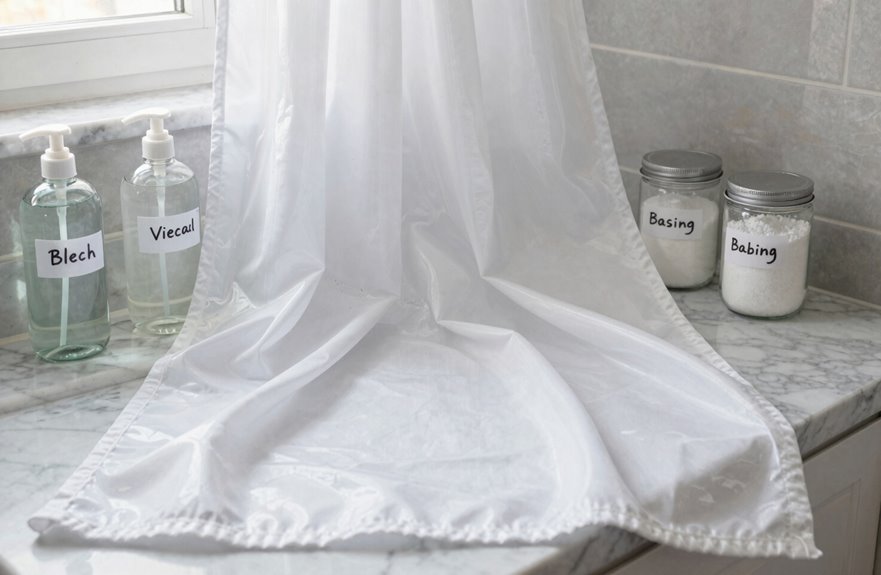
I use bleach for heavily soiled curtains that require deep cleaning, taking care to use it alone and never mixing it with vinegar. For routine freshening, I select either vinegar or baking soda to address odors and light buildup without the harshness. Understanding which cleaner suits my curtain’s condition helps me avoid wasting time or damaging the material.

WATERPROOF SHOWER CURTAIN LINER - Help keep water inside your shower or bathtub with this waterproof PEVA shower curtain; Use it on its own as a decorative shower curtain or pair it with a fabric curtain as a liner to help protect bathroom floors from splashes

Premium PEVA: Made with 100% PEVA material, the white plastic shower curtain liner is no chemical odor, PVC-free and BPA-free, 3 magnets at bottom & 12 metal grommet holes

Keep Your Bathroom Dry - Our premium PEVA shower curtain liner is waterproof, protecting your decorative shower curtain and keeping your bathroom floor dry, shampoo and soap residues never leaking out.
Bleach for Deep Cleaning
Because shower curtains collect stubborn mildew and soap scum over time, you’ll need something stronger than your regular wash routine to get them clean. I use bleach for deep cleaning jobs that require disinfecting power.
- I add ½ cup bleach to my washing machine with warm water and detergent; it’s like giving your curtains a fresh start.
- I run everything on a gentle cycle to protect what we’ve worked hard to maintain.
- I never mix bleach with other cleaners, as keeping our homes safe is important.
- I rinse thoroughly afterward, sometimes running a second wash with just detergent to ensure no residue remains.
Fabric curtains emerge whiter and sanitized, ready to enhance the space we enjoy.
Vinegar and Baking Soda
When should you reach for vinegar or baking soda instead of bleach? I use them for routine maintenance when my shower curtains need freshening, not a full mold removal.
I soak plastic or fabric curtains in warm water with white vinegar for 15–20 minutes to deodorize and remove grime. For handwashing, I sprinkle baking soda directly on the surface and scrub gently; it lifts odors without harsh chemicals. Sometimes, I add baking soda to a tub soak as a pre-treatment before my main cleaning cycle.
I never use hot water with these methods, as it can warp vinyl and shrink fabric. When I machine wash, I include towels for gentle abrasion and run a delicate cleaning cycle with just a small amount of detergent. These pantry staples help keep my bathroom fresh and inviting.
How to Clean Your Shower Curtain Liner
Where does all that soap scum and mildew come from? It’s frustrating to look at a grimy shower curtain liner. Maintaining a clean bathroom is important, and here’s how I wash mine to create a fresh, welcoming space:
- I detach everything: the liner and rings, because every piece contributes to cleanliness.
- I machine wash gently, using warm water and a slow spin to protect the fabric.
- I add bleach when grime is stubborn; ½ cup can help restore its original state.
- I air dry it by hanging it back where it belongs, avoiding the risk of damage from the dryer.
Regular quick cleans can help prevent buildup, making maintenance easier.

SOFT & 100% WATERPROOF: This shower curtain liner is made of premium fabric with the ultimate waterproof coating tech, making it completely water proof but still soft feeling

🚿【Thick "Cotton" Type Fabric Shower Curtain】Made from expertly chosen and tested Heavyweight Polyester Fabric, touches like a cotton feel. Honeycomb waffle weave pattern adds elegance to your bathroom.

THICK WEIGHTED FABRIC: featuring thick 230 GSM weighted fabric, the curtain is designed to hang in place outside of the tub and resist moving and blowing; material is wrinkle resistant, and fade resistant for long lasting beauty; superior quality stitching and construction ensures you will enjoy your shower curtain for years to come; please note, liner is not included
How Often Should You Wash Your Shower Curtain?
How often should you wash your shower curtain? It depends on the type you have. Here’s a breakdown to help maintain a fresh bathroom.
| Curtain Type | Weekly Clean | Deep Clean |
|---|---|---|
| Plastic shower curtain | Wipe down | Monthly wash cycle |
| Cloth with liner | Quick wipe | 1–2 times yearly |
| Liner only | Weekly clean | Every 1–2 months |
I adjust my schedule based on humidity; my bathroom tends to be damp, so I clean the shower curtain more frequently. Make sure to hang yours to dry after each wash. For disposable plastic curtains, replace them every six months to prevent grime buildup. A musty smell is not something anyone wants to deal with.

Ball design - The ball on the top of the shower curtain ring adopts a spherical design, reducing friction, sliding without noise, and pulling the shower curtain effortlessly.
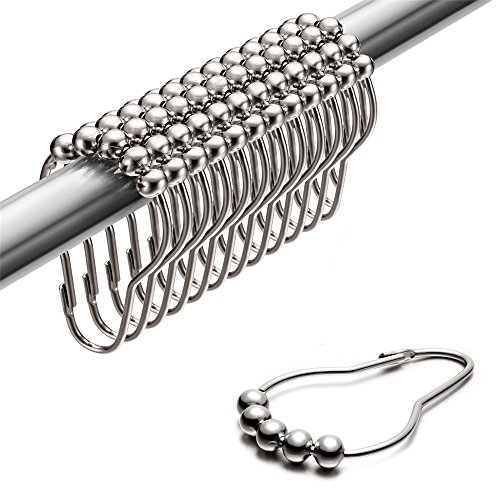
PLATED & POLISHED Chrome– The steel is polished with a polished nickel finish. The hooks sparkle in presence of light, adding a very elegant look to any bathroom.
How to Keep Your Shower Curtain Clean Between Washes
Maintaining your shower curtain doesn’t require a full wash every time soap scum starts to appear. Simple habits can keep it fresh and extend the time between deep cleans.
- Spray daily – I mist a general shower cleaner after each use to stop buildup before it bonds to my shower curtain.
- Soak weekly – I submerge my liner in warm water with vinegar for a quick refresh that loosens grime without a full wash.
- Check the hardware – I soak my rings in vinegar regularly so they don’t transfer filth back to my clean curtain.
- Control odors – I run a fast cycle with baking soda for odor control, keeping my bathroom welcoming for visitors.
These small acts contribute to a cleaner and more pleasant space.

WATERPROOF SHOWER CURTAIN - Ultra smooth specialty design of LiBa shower curtain liners created to roll off the water and to promote water bead formation so water swiftly rolls off the surface, keeping your bathroom dry and clean. With 3 timeless color options to choose from, use it as a stand-alone curtain for a bright & airy atmosphere, or pair it with your favorite fabric shower curtain.

FEEL REFRESHED IN YOUR BATHROOM: These shower liners are available in both clear and frosty finishes. The clear design coordinates with any bathroom decor while the frosty design provides more privacy.
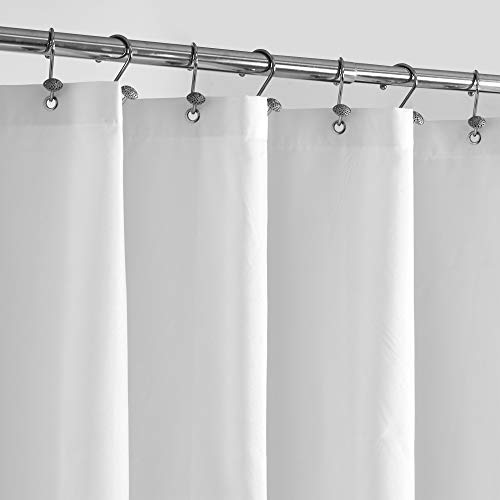
SOFT & WATERPROOF: This shower curtain liner is made of premium fabric with the ultimate waterproof coating tech, making it completely water proof but still soft feeling