
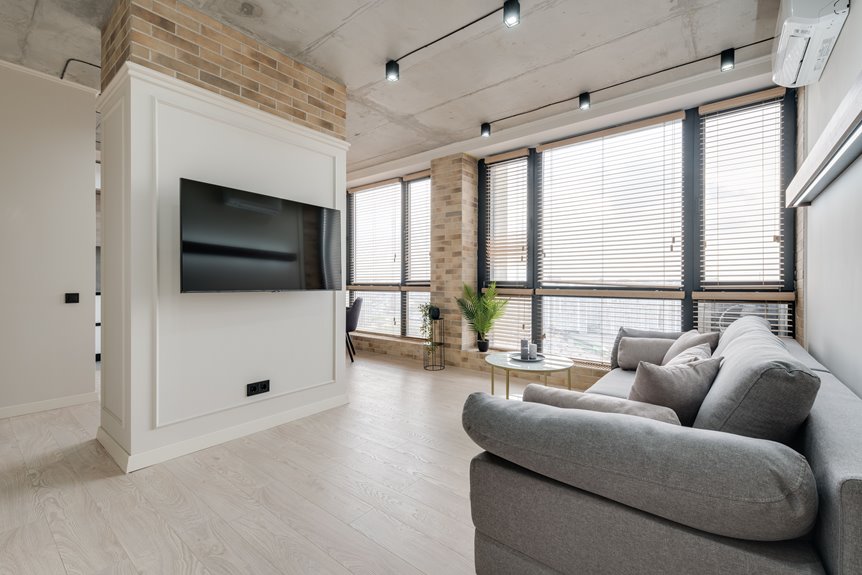
I choose inside mount when your window frame has at least ¾ inch depth and you want a sleek, built-in look that showcases your trim.
Outside mount is preferable when your frame is shallow, your trim is damaged, or you need effective blackout darkness, as it overlaps the frame by about two inches on each side. Additionally, outside mount can make windows appear larger and ceilings feel higher. However, it typically costs more because it covers extra wall space.
For inside mount, I measure width at multiple points and let manufacturers handle deductions.
Outside mount requires precise placement above the frame for a polished result. Consider your room, the condition of your frame, and your light-control needs to determine the right choice. I have detailed how to decide below.
Inside vs Outside Mount: Which Fits Your Windows?
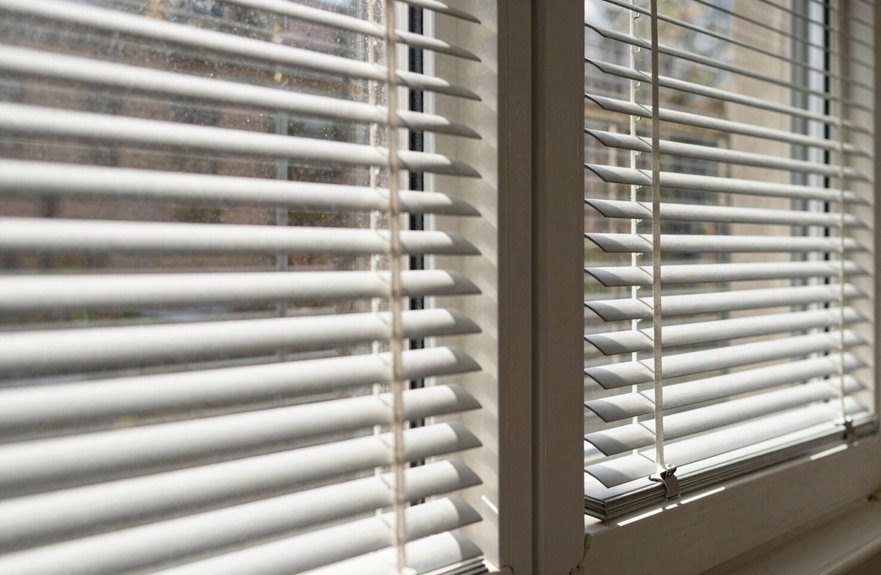
How do you decide between inside and outside mount when both promise to transform your windows?
Consider what your space requires. Inside mount slips neatly within your frame, showcasing trim and demanding precision. You’ll need adequate window depth and exact measurements for a flush fit. Outside mount frames your window from above, accommodating irregular edges while offering superior light control through generous overlap.
First, evaluate your frame. Is it deep enough? Inside mount requires roughly ¾ inch minimum. Shallow frames lean toward outside mount, where you can layer treatments and visually expand the opening. When you desire a sleek, architectural finish, inside mount rewards careful measuring. For flexibility and coverage, outside mount adapts effectively. Your windows indicate their preference.

SIZED FOR 2 1/8" X 2 3/4" HEADRAILS: Perfectly designed to fit headrails measuring 2 1/8" x 2 3/4", ideal for wood, faux wood, and Venetian blinds.

SIZED FOR 2 1/8" X 2 3/4" HEADRAILS: Perfectly designed to fit headrails measuring 2 1/8" x 2 3/4", ideal for wood, faux wood, and Venetian blinds.
What Inside Mount Is (and When It Works Best)
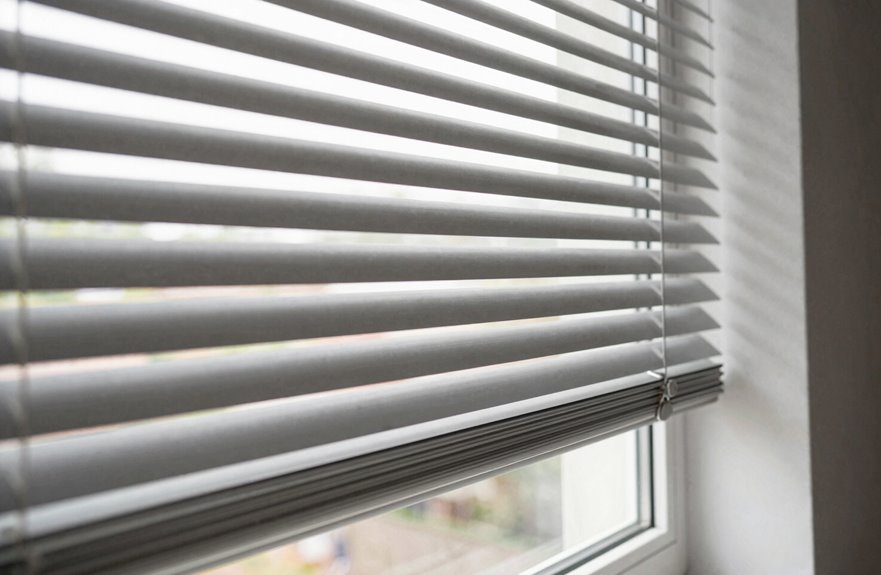
Why settle for bulky when you can build right in? I choose inside mount when I want my window trim to shine and my space to feel intentional. This approach installs blinds within the frame itself, sitting flush with the edges for a clean, minimalist look.
You’ll need adequate window depth—at least ¾ inch at the top—to pull this off properly. This requires unobstructed frames that are straight and true, making measuring for an inside mount straightforward.
I reserve inside mount for spaces where simplicity wins: modern living rooms, streamlined bedrooms, or anywhere the architecture deserves center stage. When your window is deep enough and uncluttered, built-in elegance is preferable to added-on bulk.

【Excellent Material】Made of imported 100% Polyester. Light filtering, good ventilation, anti-static, dust-proof and durable. Dual-layer fabric for daylight filtering and full night privacy.

【Custom Size & Upgrade Option】Our roller shades can customized for width and height to meet the needs of most customer. We will double check the size with you after you place your order. Please contact us if you have difficulties with customization. In addition, we have motor options on the customization page. By selecting the motor option, you can upgrade your custom shades to electric or smart models.

Important Inside Mount Measuring Instructions: This cellular shade is the exact size - no deductions are made. Measure the width across the top, middle, and bottom of window. Ensure your window measures 36.25" to 37" wide for a 36" wide cellular shade. This allows proper fit with minimal light gaps. Measure the height from the top of the window to the windowsill on the left, middle, and right of the window. The largest measurement will be the height you order.
How to Measure Inside Mount Without Ruining the Fit
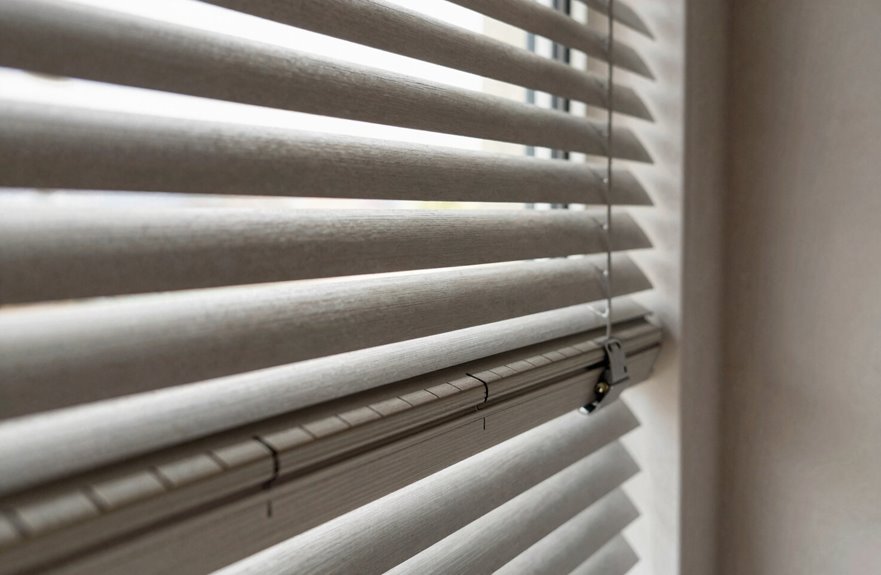
Where do I start when a fraction of an inch can mean the difference between a seamless fit and a costly mistake? I will walk you through my inside mount measurement routine so you achieve a perfect fit each time.
I grab my steel tape and measure the window opening width from edge to edge—top, middle, and bottom for Romans and woods; just the top for rollers. I never subtract anything; manufacturers handle deductions.
Next, I measure the depth from obstructions edge to edge, checking each side against the depth requirement. Meeting the minimum means your headrail will sit slightly proud; extra depth allows for a headrail that is flush.
If you’re still unsure, consider using professional measure and install services. It can help ensure accuracy and reduce stress.
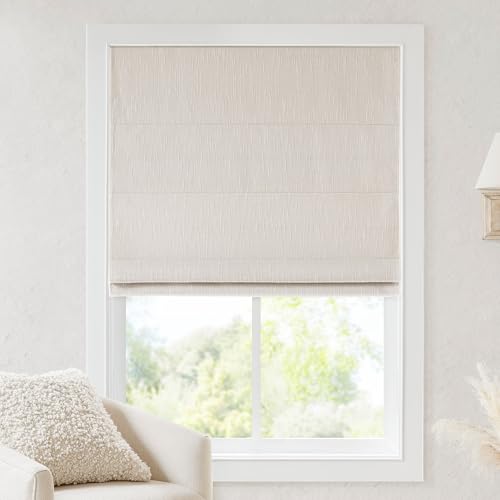
True to size - Refer to our sizing guide image for your perfect fit. SIZE: 29"W x 64"H. Inside mount requires shade 0.5" shorter in width, while outside mount requires shade 4" wider than your window size
True to size - Refer to our sizing guide image for your perfect fit. SIZE: 34"W x 64"L. Inside mount requires shade 0.5" shorter in width, while outside mount requires shade 3" wider than your window size

100% Total Blackout Upgrade: Enjoy complete darkness for better sleep. LazBlinds upgraded shades have a blackout fabric layer sewn on the back to fully block sunlight, offering total privacy. Perfect for bedrooms and nurseries
Why Window Depth Blocks Inside Mount
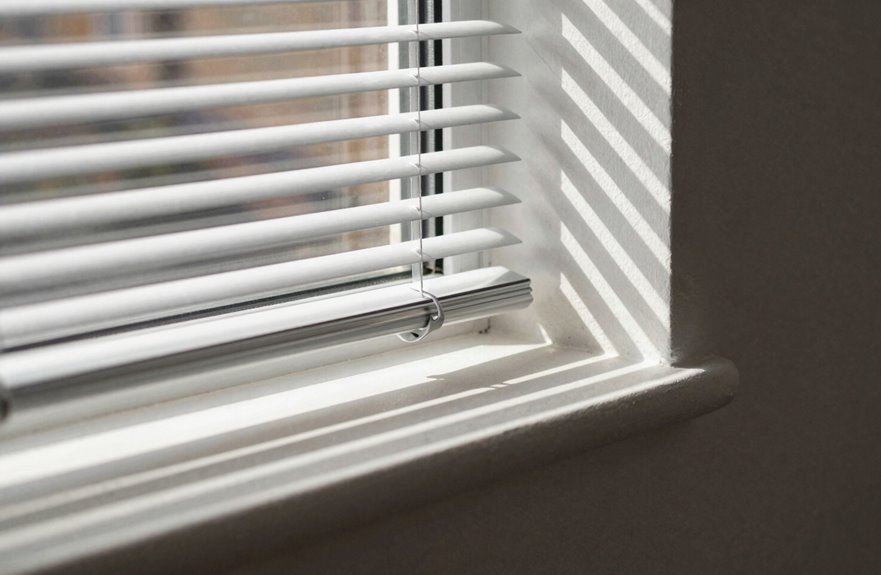
I’ve spent countless weekends measuring windows, and I’ve learned that even the most precise width and height numbers won’t save you if your window lacks the depth needed for an inside mount.
- Minimum window depth (typically ¾ inch) prevents headrail protrusion and enables flush mounting.
- Headrail clearance demands adequate space between glass and casing for proper seating.
- Window depth determines whether treatments fully recess or sit awkwardly within the frame.
- Inside mount depth limitations reveal outside mount practicality when gaps or protrusions would detract from your clean look.
Without sufficient depth, your blinds cannot achieve that seamless, built-in appearance desired for your spaces.

【Premium & Sturdy Construction】Crafted from high-quality iron in a sleek silver finish, these roller shade brackets for curtain rods over blinds are built to last. They provide robust support for various window roller shades and roller window blinds, ensuring your window treatments stay securely in place without sagging or falling.
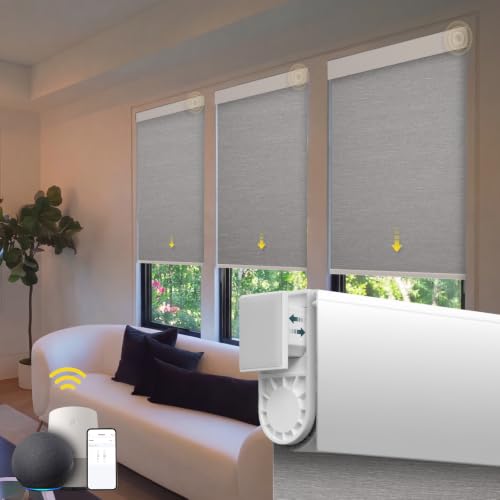
EASY INSTALL BLINDS: The remote blinds have a simple and practical no-drill mechanism(suitable for inside mount). Attach the adhesive extension block to the groove of the upper rail (it is forbidden to put more than one block), and then push it into the window frame. There is a battery compartment at the top to supply power for the shades. If the batteries are low, just take them out and replace. A stylish valance is included to block the light from the gap between fabric and the top rail

Roller shade | Blind & Window Shade Parts of Wall mounting brackets is a Choice for electric blind or blinds automation kit
What Outside Mount Is (and When You Need It)
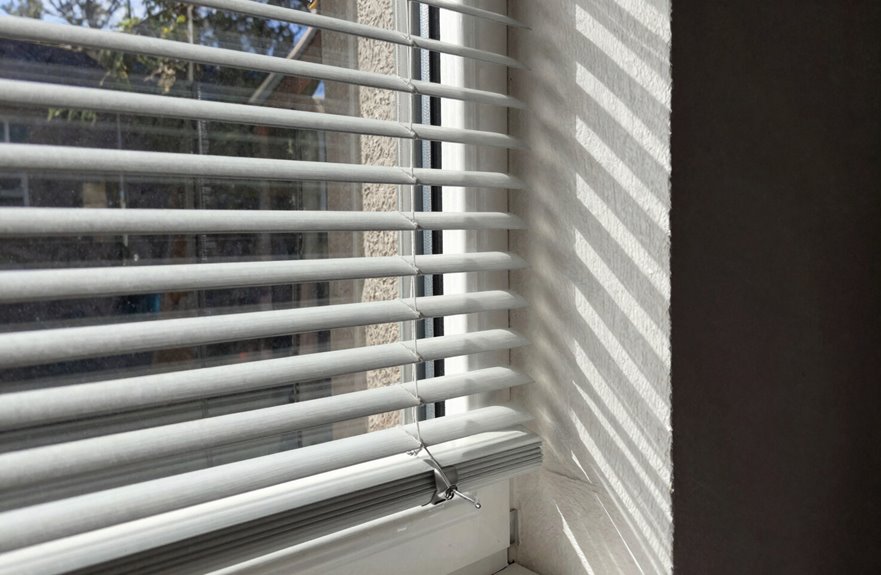
How do you cover a window that simply won’t cooperate? Outside mount blinds offer an effective solution. I install them on the wall above or around the window opening, making them larger than the frame itself to ensure complete window coverage. This method eliminates the need for depth measurements, which can be problematic when frames are shallow or obstacles obstruct the opening. I typically extend the blind about two inches beyond each side, allowing for overlap of the frame and improved light blocking. This approach also conceals trim when molding is dated or damaged. The flexibility of installation is advantageous; I can mount above doors, directly onto trim, or address irregular shapes that standard options cannot accommodate. Many people require solutions for challenging windows.

Sizing & Fit Guidance (Read Before Ordering): For Inside Mount, finished blind arrives ½" narrower than selected size for a true-fit installation. Measure your window WIDTH at top, middle, and bottom, and order using your NARROWEST measurement. For Outside Mount, order a size 2 to 4 inches wider than your window.
Sizing & Fit Guidance (Read Before Ordering): For Inside Mount, finished blind arrives ½" narrower than selected size for a true-fit installation. Measure your window WIDTH at top, middle, and bottom, and order using your NARROWEST measurement. For Outside Mount, order a size 2 to 4 inches wider than your window.

【Soft Light Filtering & Total Privacy】Experience the dual benefits of softened natural light and unwavering privacy. The special fabric of these cellular shades gently filters harsh sunlight into a soft glow, ensuring your space is filled with natural light without compromising your privacy from prying eyes.The unique honeycomb cells trap air to reduce noise and maintain room temperature, helping you save energy year-round,making them the ideal choice for modern home decor.
How Outside Mount Makes Windows Look Bigger
I will show you how outside mount creates the illusion of more space than is actually there. By positioning the shade above the frame and extending it beyond the edges, this technique visually expands the window, making it appear wider and the ceiling feel taller. It is a straightforward method to enhance height perception, particularly effective in settings with shallow frames or unusual proportions.
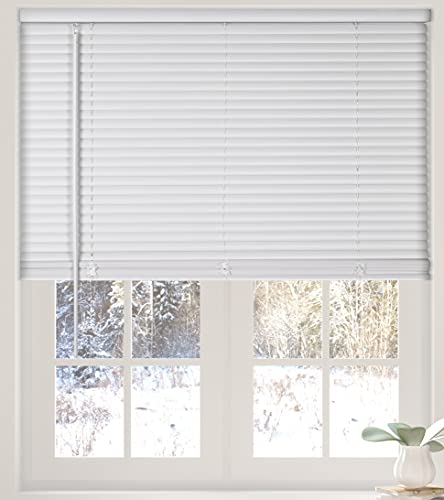
Important: This blind is 34" wide. For inside mounts, your window frame should be 34.25" – 35" wide for the best fit. Wider windows will have larger light gaps; narrower ones may not fit. Check product images for detailed measuring instructions and size options. Ideal blinds for indoor windows, these cordless mini blinds combine functionality with style. Refer to product images for measuring and size details. Proper sizing enhances the performance and appearance of these horizontal window blinds in your kitchen, bathroom, or living room.
Important: This blind is 34.5" wide. For inside mounts, your window frame should be 34.75" – 35.5" wide for the best fit. Wider windows will have larger light gaps; narrower ones may not fit. Check product images for detailed measuring instructions and size options. Ideal blinds for indoor windows, these cordless mini blinds combine functionality with style. Refer to product images for measuring and size details. Proper sizing enhances the performance and appearance of these horizontal window blinds in your kitchen, bathroom, or living room.
Important: This blind is 58.5" wide. For inside mounts, your window frame should be 58.75" – 59.5" wide for the best fit. Wider windows will have larger light gaps; narrower ones may not fit. Check product images for detailed measuring instructions and size options. Ideal blinds for indoor windows, these cordless mini blinds combine functionality with style. Refer to product images for measuring and size details. Proper sizing enhances the performance and appearance of these horizontal window blinds in your kitchen, bathroom, or living room.
Visual Expansion Technique
Want your windows to command more presence in the room? An outside mount delivers powerful visual expansion by stretching beyond the actual frame. This technique tricks the eye, making the perceived window size feel substantially larger than reality.
Here’s how outside mount transforms your space:
- Extended frame coverage — shades overlap the opening, erasing visible gaps at edges.
- Amplified window treatment depth — wider boards span past trim, redirecting focus from true dimensions.
- Enhanced perceived window size — the brain registers the treatment’s outer edges as the window boundary.
- Prominent room presence — extended coverage makes windows feel intentionally grand, not cramped.
This approach creates an expansive, pulled-together look for your home.
Height Illusion Method
Where can you gain a few extra feet of perceived ceiling height without altering any structural beams? You find it in the height illusion created by outside mount window treatments.
I recommend outside mount over inside mount when you want that expansive, loft-like feel. By mounting shades several inches above your actual window frame, you create an optical illusion that makes windows appear taller and ceilings higher. The mounting depth becomes a strategic advantage, as there are no frame constraints.
Extending those treatments wider than the glass eliminates side gaps while enhancing vertical proportions. Positioning them above door tops changes the room’s perception. Many homeowners have discovered this: although the actual window height remains the same, the space feels architecturally grander. The walls are unchanged, yet the perception is dramatically different.
Why Outside Mount Blocks More Light
I find that outside mount blinds provide a greater coverage area since they extend past the window frame. This positioning eliminates edge gaps that allow light to seep through along the sides. Overall, this design enhances light sealing, making the room noticeably darker when needed.

BLACKOUT FABRIC FOR LIGHT BLOCKING & PRIVACY:Made with durable polyester blackout fabric, MYshade roller shades are designed to block sunlight and enhance everyday window privacy. Ideal for bedrooms, street-facing windows, and indoor spaces where improved light control is needed compared with ordinary light filtering shades.

【Excellent Blackout Material】Crafted from 100% blackout polyester fabric with a matching color coating, our TOVALOR cordless roller shades offer a sleek, modern look with exceptional durability. The thermal backing blocks out all sunlight, providing complete light control and ensuring privacy. Finished with sturdy, e-coated aluminum top and bottom rails, these shades feature a smooth, natural finish that seamlessly complements any room décor.

Important measuring notes - The window blind listed measures 29.5 inches wide. If you choose to inside mount, and your window frame size is between 29.875 to 30.5 in. wide this faux wood blind is recommended. A wider window and there will be more of a light gap, a more narrow window and the faux blind will likely not fit; in these cases please look at our other size options. Please view more detailed measuring instructions for inside or outside mounting within the product images section.
Greater Coverage Area
Why does a window treatment that extends past the frame stop more light from sneaking in? It’s all about coverage. When I choose outside mount for my shade installation, I’m not just covering the glass; I’m expanding protection across the entire window opening.
I’ve learned a few key points about maximizing light control:
- Extended reach: Outside mount stretches beyond the frame, increasing the total blocked surface area.
- Overlap advantage: Extra fabric overlaps walls, creating wider light-blocking zones.
- Flexible positioning: I can mount higher and wider, enlarging coverage dramatically.
- Complete sealing: Broader shade dimensions block more side light than inside alternatives.
When my community seeks a cozy, unified darkness, outside mount provides that solution. We prioritize comfort over harsh glare.
Eliminates Edge Gaps
How much light sneaks through the cracks? I’ve struggled with this myself, and I’ve found outside mount blinds solve it beautifully. Unlike inside mounts that sit within the frame, outside mount designs wrap around your window, creating essential overlap that eliminates edge gaps entirely.
I choose outside mounts for superior light control. The extra coverage extends beyond your frame’s perimeter, removing those tiny slivers where morning sun typically invades. For anyone craving true blackout potential—whether you work night shifts or simply value restful sleep—this is crucial.
Outside mounts are especially beneficial for older homes with shallow frames, where inside mounting would allow frustrating edge light. By mounting above the trim and overlapping generously, I achieve the darkness my body needs. There is no need for constant adjustments or compromises. This setup provides a complete refuge from the outside world.
Enhanced Light Sealing
Because light finds every crack it can, I know that outside mount blinds give me the darkness I want. When I need real light sealing, I opt for substantial window coverage.
- Outside mount overlaps my frame, eliminating those sneaky side gaps where daylight creeps in.
- I extend my shade 2 inches past the opening, enhancing light sealing where it matters.
- Going higher and wider with my mounting depth blocks light leaks at the top and edges.
- Irregular trim disappears, along with every stray beam that used to wake me up.
No more compromised sleep, no more squinting at screens. Choosing effective window coverage allows us to enjoy fully dark rooms that feel like ours.
Trim Show or Trim Hide: Mount Choice by Design Goal
Where do you want the eye to land—on the molding itself or on the window as a unified shape?
I choose inside mount when I want the trim to take center stage. The molding deserves attention, and the shade fits neatly within, honoring every architectural detail I’ve curated. The mounting depth is crucial; I must measure precisely so the treatment sits flush without crowding.
At times, I prefer the clean look of an outside mount that extends past the frame. This can hide imperfect trim or create a bolder silhouette. Layering outside mounts over inside-mounted drapery is my approach for concealment while maintaining a tailored appearance.
Your window treatments should feel intentional, as if they belong in this space. Choose your mount based on the story you want to convey.

Important Inside Mount Measuring Instructions: This roman shade is the exact size you order - no deductions are made. Measure the width across the top, middle, and bottom of window. Ensure your window measures 30.75" - 31.5" wide for a 30.5" wide roman shade. This allows proper fit with minimal light gaps. Measure the height from the top of the window to the windowsill on the left, middle, and right of the window. The largest measurement will be the height you order. See our images for a simple guide to measuring to get the ideal fit and coverage for your windows.

1【Our Strengths】Over 100 Years Window Covering Expertise (SCHOENBERGER GROUP est.1878)

【2-in-1 Day and Night Roman Shades】: Transform your home with the SLKWDOBD 2-in-1 Day and Night Roman Shades. These blackout and light filtering Roman shades offer versatile light control, making them perfect for any room. Adjust the shades to block out light for a restful sleep at night or allow soft, filtered light during the day. Perfect for modern, minimalist homes, these double Roman shades combine style and functionality to suit your needs at any time of the day.
Does Outside Mount Always Cost More?
I’ll explain why outside mount often carries a higher price tag. First, material costs are a factor, as it requires extra fabric and wider hardware. Installation complexity also contributes to the price; higher or trickier placements require more time and specialized brackets. Finally, I’ll evaluate whether that upfront investment provides long-term value for your space.

"Textured Comfort": The look of Natural Linen color fabric not only adds a rich, woven texture to your windows, elevating the room's decor with a rustic yet refined vibe, but also adds more comfort to life

【NEW Cassette UPGRADE】Masterfully Crafted Square Cassette,Our design features a color-matched, matte aluminum with enhanced load capacity. Distinct from traditional open or round casings, it aligns seamlessly with window frames for a sleek, unified appearance."

Material Cost Factors
How much more should I expect to pay for outside mount blinds? Let’s explore the factors that influence your bill so you can choose what fits your space and budget.
- Outside mount material usage exceeds inside mount since I’m covering the frame, not just the opening.
- Window treatment sizing directly impacts cost; bigger windows create wider price gaps between mounts.
- Inside mount material waste occurs through standard fabric deduction practices that trim fabric to fit recessed spaces, while outside mounts skip deductions but consume more total material.
- Mounting hardware costs can rise for outside applications when extra brackets are needed to anchor into walls or trim.
You will rarely see free measurements exclude either option; however, outside mount precision is crucial for blocking light completely. Understanding these factors helps in making informed purchasing decisions.
Installation Complexity
Material costs tell only part of the story; I also need to consider the time and skill required for each mounting style. Inside mount installations feel straightforward when I have sufficient mounting depth and clean edges; it’s a quick process I can often handle myself. Outside mount window treatments present higher installation complexity, requiring precise alignment above the frame and sometimes wall brackets or shims to achieve a polished look. Free virtual or in-home measurement services assist me in ensuring the accuracy that outside mount requires without added stress. While outside mount doesn’t need depth checks, I must carefully measure overall dimensions for full coverage. For many of us, that extra effort results in a seamless style.
Long-Term Value Analysis
Although outside mount blinds usually carry a higher price tag at checkout, sticker price alone doesn’t determine true long-term value. When creating a home that feels personalized, every choice counts beyond the initial receipt.
Here’s what I’ve discovered about where your money actually goes:
- Superior light blocking — Outside mount overlaps your frame completely, eliminating edge gaps that inside mount often leaves.
- Enhanced privacy — The extra coverage means no peek-through spaces, ensuring you feel secure in your space.
- Flexible solutions — Shallow or irregular windows won’t necessitate costly replacements down the road.
- Layering potential — Pairing outside mount with drapery maximizes function and style, typically outperforming a single inside mount investment.
Bedroom or Living Room: Picking the Right Mount by Room
Where do you spend your time unwinding, and how much light control do you need? In my bedroom, I prefer outside mount window treatments for true blackout conditions; the overlapping shade length blocks every sliver of morning light. If I have adequate depth and want a sleek, flush headrail look, inside mount keeps things minimal and furniture-friendly.
My living room is different. When decorative trim is important, inside mount preserves those details beautifully, assuming the window frame cooperates. For shallow or uneven frames, outside mount becomes my choice; it hides imperfections while offering flexibility. When ceilings feel low, I mount higher outside the window to enhance the visual height. Your room’s personality and the quality of your sleep should guide this decision, not just aesthetics.
Sizing & Fit Guidance (Read Before Ordering): For Inside Mount, finished blind arrives ½" narrower than selected size for a true-fit installation. Measure your window WIDTH at top, middle, and bottom, and order using your NARROWEST measurement. For Outside Mount, order a size 2 to 4 inches wider than your window.

Please note: This window blind is 22.5" wide to allow for mounting the blind inside a 23" wide window. Each blind will be 1/2-INCH NARROWER than the width ordered to fit inside the window frame. Sizes stated within the product descriptions are listed by width then height. See measuring instructions to ensure best fit.
【Soft Light Filtering & Total Privacy】Experience the dual benefits of softened natural light and unwavering privacy. The special fabric of these cellular shades gently filters harsh sunlight into a soft glow, ensuring your space is filled with natural light without compromising your privacy from prying eyes.The unique honeycomb cells trap air to reduce noise and maintain room temperature, helping you save energy year-round,making them the ideal choice for modern home decor.