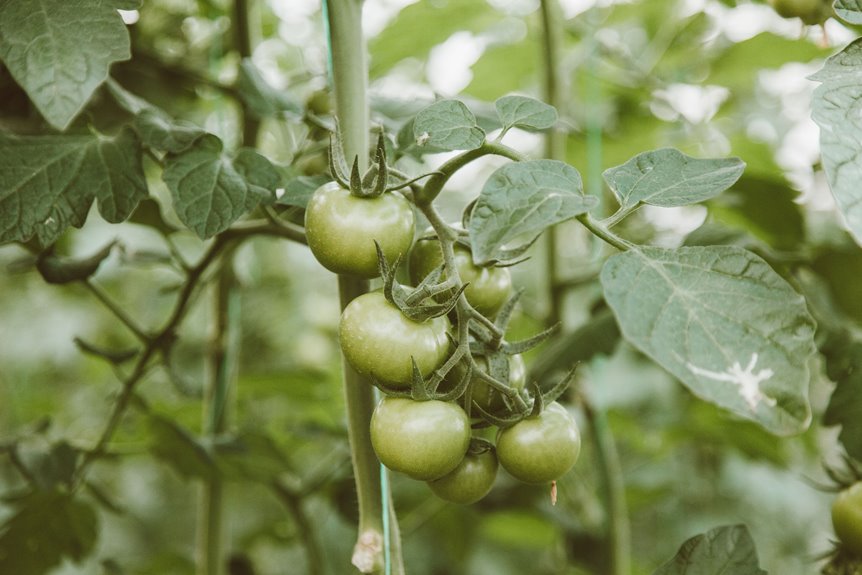
Choosing the right tomato support starts with knowing your plant type. I use sturdy cages for compact determinate varieties, while my indeterminate tomatoes require stakes, trellises, or the Florida Weave method with taut twine between stakes.
I have built DIY supports from hog wire and cattle panels, ensuring they are tall enough and well-anchored. When frost hits, I stack my panels flat to save space.
The approach you select significantly impacts plant growth, and I have additional specifics to share ahead.
Choose Tomato Support by Plant Type and Space
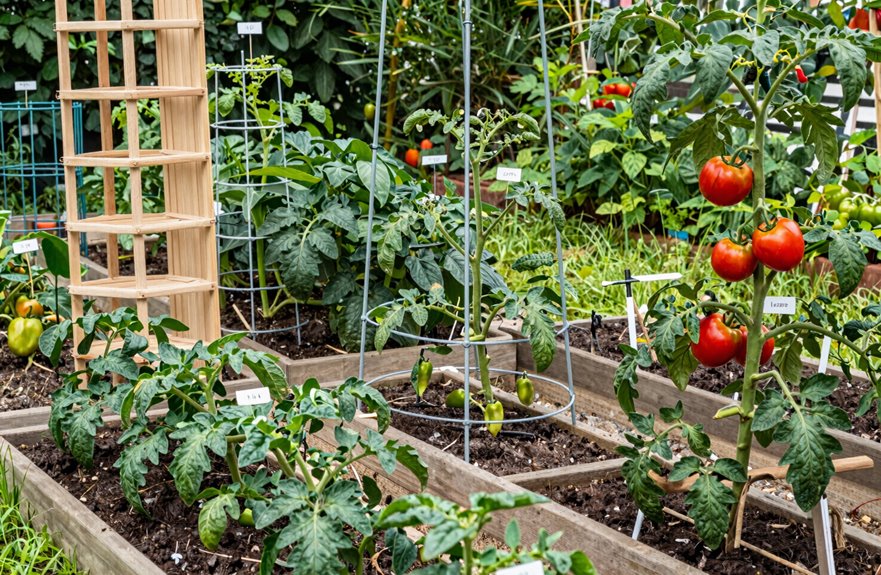
How do you pick the right support for your tomatoes? Start by identifying your plant type, as this choice influences your gardening strategy.
Indeterminate varieties continue to grow upward, so stakes, trellising, hog wire, or cattle panels are ideal for managing their height. These plants require ongoing attention through pruning and tying. Determinate tomatoes remain compact and often fit perfectly in cages, especially in containers where space optimization is essential.
When planting densely, Florida Weave trellising is effective for weaving stems between taut twine lines, keeping fruit off the soil while maximizing every square foot. For permanent solutions, consider installing cattle panels or hog wire in zigzag formations. Each method contributes to a productive growing environment through practical choices.

Self-Watering Convenience: Each planter has a built-in water reservoir that delivers consistent moisture to roots for up to a week, reducing frequent watering. Ideal for busy gardeners and vacations, it helps maintain healthy plants.

Provides lightweight yet strong support for tomatoes, beans, peas, and other climbing plants and flowers with a large planter that holds approximately 10 gallons of media while the tower expands to over 4 feet
Tomato Cages: Low-Maintenance Support for Bush Varieties
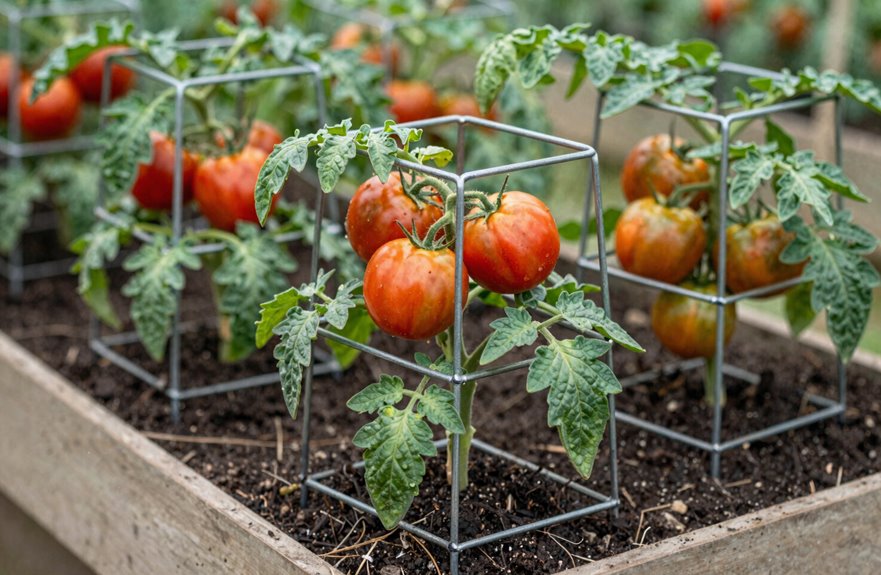
A tomato cage provides a straightforward way to support my plants. I prefer tomato cages for bush varieties because they encase the entire plant, allowing multiple stems to grow upright without constant attention. In my garden, I select cages that are at least 5 feet tall with a diameter of 24 to 30 inches, made from concrete reinforcing wire or galvanized metal for durability.
I place cages over young plants before their roots spread and weave branches through as they grow. This reduces the need for pruning and shields the fruit from sunscald. For added wind stability, I drive a stake into the ground beside the cage and secure them together, especially when my plants carry heavy fruit. This reliable system keeps my tomatoes healthy with minimal interference from me.

Good for Trellising Tomatoes Climbing Plants: each roll contains 6150 feet (approx. 3.3 lbs) of strong white garden twine, ideal for supporting tomato plants, cucumbers, beans, and other vining crops; This durable garden twine is perfect for building sturdy Florida weave trellises or tying vines securely throughout the growing season

Sturdy Support - This heavy-duty twine is built to last, with a tensile strength of 59 lbs. This durable polypropylene twine can handle the weight of your heaviest fruits and vegetables throughout the growing season. It provides reliable support as a tomato string for your garden.

Yarlung value pack 24 pcs tomato roller hooks, 49.2 feet/15 m high-strength white twine per reel, and 240 reusable plant support clips. Everything you need to support climbing plants neatly and efficiently
Staking Tomatoes: Train Vines to a Single Stem
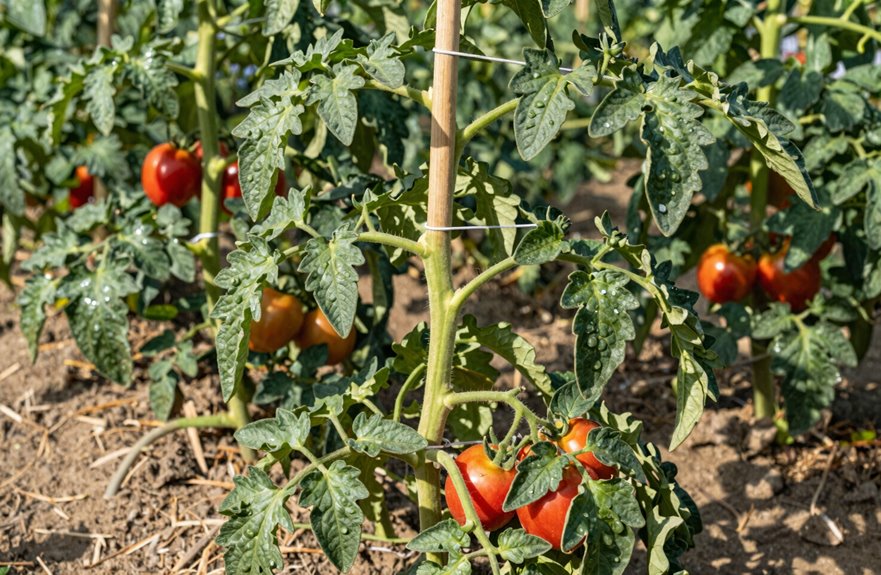
While cages work well for bushy plants, I turn to staking when growing indeterminate tomato varieties that keep climbing all season. Staking creates one of the simplest support systems for tomato plants. I drive stakes one foot deep, placing them three to five inches from each transplant to avoid root disturbance later.
Single-stem training requires commitment. I prune suckers weekly to direct energy toward fruit production on the main trunk. Soft ties secure the stem with slack for thickening growth, and I add more as vines stretch upward.
When my plants outgrow the stakes, I have bent the tops over or swapped in taller poles. This technique is effective for grafted methods as well, where vigorous rootstocks require sturdy vertical management. You will develop this hands-on approach quickly.

Heavy-Duty Construction Size: 100ft (length) × 48" (height) Material: High-strength galvanized steel wire ,Surface Treatment: Hot-dip galvanized for superior rust resistance & extended lifespan

【Rust-Proof Sturdy Tomato Cages】Built with heavy-duty thickened metal steel core (not solid metal ) and protective plastic coating. The plastic coating resists rust and prevents overheating, protecting climbing vines from scorching summer sun. Our metal square tomato stakes combine high strength and stability with a sleek, practical design, delivering long-lasting durability to support your plants.

175 Feet. 20 Gauge galvanzied
Trellis and Twine Support for Indeterminate Tomatoes
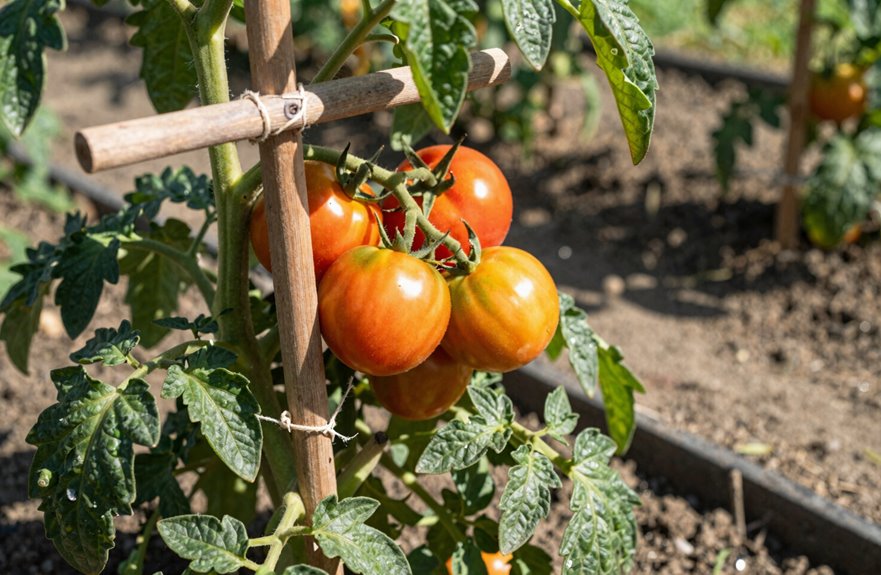
The trellis and twine method allows my indeterminate tomatoes to climb freely without being confined. I construct a support system using sturdy hog-wire panels spaced 1.5 feet apart, alternating sides for enhanced stability. This arrangement improves air circulation and helps keep my tall vines healthy throughout the season.
I focus on pruning and training by loosely tying new growth with soft twine, leaving slack so the stems can grow without being restricted. Weaving the vines through the trellis becomes a weekly routine I find enjoyable; it’s meditative, and I feel connected to other growers who share this passion.
When my indeterminate tomatoes exceed my expectations, I add taller stakes or extend the trellis. I may top the plants if necessary, ensuring they maintain structure without added stress. This hands-on approach fosters a sense of community that values proper gardening practices.

Galvanized wire 33" cages for small tomato's & plants

Heavy-Duty Galvanized Construction Each tower is crafted from durable galvanized steel for rust resistance and long-lasting use in outdoor garden environments.

Item Size: Length 5 ft,diameter 1/2 inch and total 6 sets, 20 large clips and 20 small clips include.
Florida Weave: Staked-Twine Support for Garden Rows
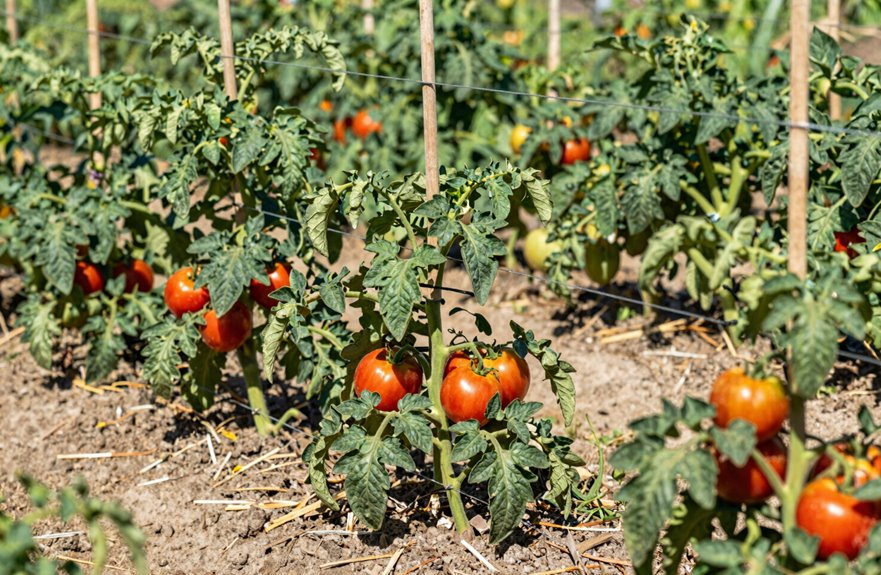
I continue to support indeterminate varieties on my trellis, but when managing a full row of tomatoes, I switch to the Florida Weave. This staked-twine system allows us to support numerous tomato plants together, fostering a sense of community among them.
Here’s how we make it work:
- Drive sturdy stakes deep at each end of your garden rows and every few feet in between.
- Weave twine in a figure-eight style between the stakes as the tomato plants grow taller.
- Lift vines gently and tuck them against the twine; there’s no need for individual cages.
- Prune lower suckers regularly to enhance airflow and prevent dense tangles.
The twine tightens plant support through teamwork. You add lines weekly, observe neighboring plants helping each other stand tall through summer storms, and enjoy harvesting from upright, healthy vines.

Soft & Elastic: Our plant ties designed to gently support growing plants without scratching or damaging stems, ideal garden ties for plants, vines, tomatoes and delicate indoor or outdoor greenery

164 Feet Reusable Plant Tie - A spool of 50 meters(164ft) flexible green tomato twine with 8mm width. It is easy to tie and also easy to untie, so you can use it several times

Gentle For Plants - Our tomato ties are made of polyester fibre material, the soft fabric does not cut into any fragile stems and damage the new delicate vine growth. It offers good protection for plants and is more gentle than plastic ties or wire
DIY Tomato Supports From Wire Mesh, Rebar, and Bamboo
Why spend money on flimsy store-bought cages when you can build sturdier supports yourself? Creating DIY supports that last season after season is rewarding. For wire mesh tomato cages, I cut 5-foot concrete reinforcing mesh into 4.5–6 foot lengths and bend them into 1.5–2 foot diameter cylinders. Livestock panels work beautifully too; stacked 16-foot sections create tall cages perfect for indeterminate tomatoes.
For a simpler staking method, I push rebar stakes deep into the soil. They weather naturally and hold strong with soft ties. Bamboo stakes are effective when they are thick enough; I drive them 1 foot deep, 3–5 inches from plants, keeping ties loose for healthy vine training. These DIY supports outperform any garden trellis available in stores.

Professional 63-Inch Height for Climbers: Supports tall, indeterminate tomatoes and vining vegetables that exceed 6 feet. Provides 15 more inches of growing space than standard 48-inch cages.
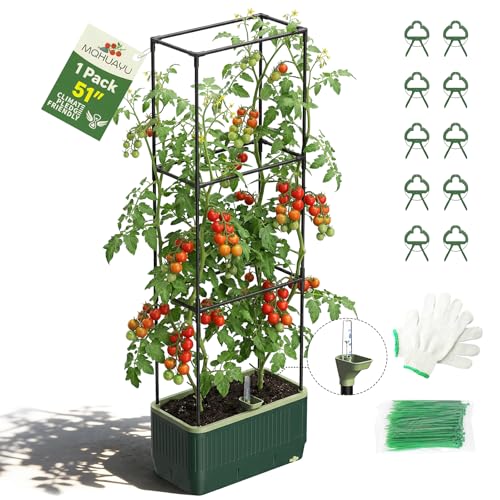
SMART SELF-WATERING & VISUAL GAUGE: Take the guesswork out of watering! Our innovative self-watering system features a deep water reservoir, cotton ropes, and a clear visual water level indicator. You can instantly see when to refill and when it's full, preventing overwatering or root rot. Perfect for busy schedules or weekend getaways, ensuring your plants thrive with minimal effort.

Stable Triangular Support: Our Halatool heavy duty tomato cages are built with a reinforced triangular frame, providing reliable, all-around support to keep your growing plants upright
Troubleshoot: Stabilize Supports, Manage Height, Winter Storage
I anchor my cages by driving stakes deep and fastening corners firmly, so they won’t buckle under August growth. When plants outgrow their frames, I either extend with taller stakes or gently top and train lower shoots to keep everything balanced. Once frost hits, I fold my panels flat and store them, or leave hog panels in place to create a winter compost pile for spring.
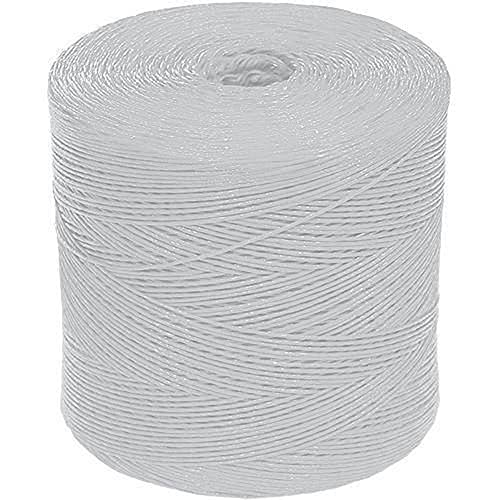
6,300 ft Tomato Twine

Product Overview: this 6150 foot heavy-duty white polypropylene garden twine is designed for the Florida Weave tomato trellising, climbing plants, floristry, and crafts; It includes a blue reusable storage bag for neat organization and portability

Approximate 3 pound Roll of Twine
Secure Tall Supports
A well-anchored support makes the difference between flourishing vegetation and a toppled mess. I use tall supports, six to eight feet minimum, because indeterminate varieties keep climbing. When staking in windy conditions, I drive an extra stake at the corner for wind stabilization. I have seen unsecured panels flatten after summer storms, so I always prioritize panel anchoring.
For secure panels, I space posts eight feet apart along rows and fasten hog panels with aluminum ties. These aluminum ties flex slightly but hold firm as plants gain weight. Before storms, I double-check every connection point.
- Drive a backup stake at each cage corner to prevent tipping.
- Space posts eight feet apart for hog panel rows.
- Fasten panels with aluminum ties at multiple heights.
- Store foldable 16-foot panels flat during winter months.
Manage Plant Height
How do you keep a vine that wants to reach the sky from outgrowing its home? Managing height starts with choosing the right support from day one.
When my indeterminate tomatoes surge upward, I act fast. If height exceeds my stake, I either install a taller one or gently bend the top over and secure it. For cage setups, I drive a stake into the ground and fasten a corner; this prevents tipping when weather turns rough.
I weave new growth through my support and tie stems with slack, allowing them to move without stress. Sometimes I prune the top to keep everything contained. These steps help our tomato community thrive without excessive spreading.
Store Supports Year-Round
Why let a good trellis sit idle half the year? I transform my garden into a year-round community by keeping my trellis system working through every season.
- I space hog wire panels on t-posts for durability, creating a stable backbone our tomatoes can rely on.
- I anchor cages with the stake-and-corner method when winds challenge us, binding neighbors together against the storm.
- I practice winter maintenance by leaving panels in place, allowing our shared soil to rest beneath familiar structure.
- I manage height with the weaving method, threading growth sideways so every gardener here is included.
When frost comes, I stack panels flat; barely twelve square feet holds our whole season’s promise. We’re not storing metal; we are preparing our space for the family return.