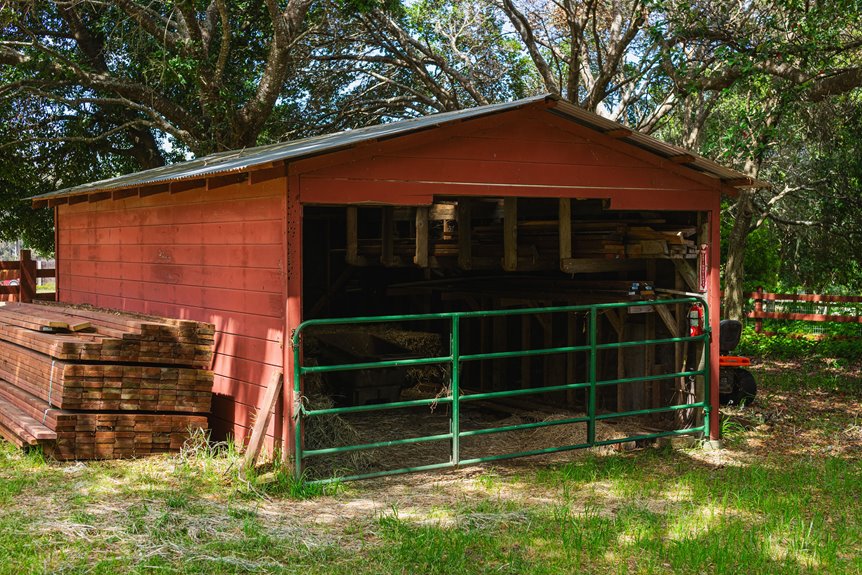
I’ve built and maintained both types of sheds, and here’s what matters.
Metal sheds cost less upfront, install in a weekend, and resist rot and pests with occasional rust checks and washing.
Wood sheds require sealing every 2–3 years and vigilance against termites, but they allow for customizable shelving and layouts.
In humid climates, metal is preferable with proper drainage; dry regions make wood a viable choice if maintenance is prioritized.
The decision is influenced by the amount of time and creativity one is willing to invest.
There are additional aspects to consider regarding this trade-off.
Metal or Wood Shed: Where Your Climate Decides First
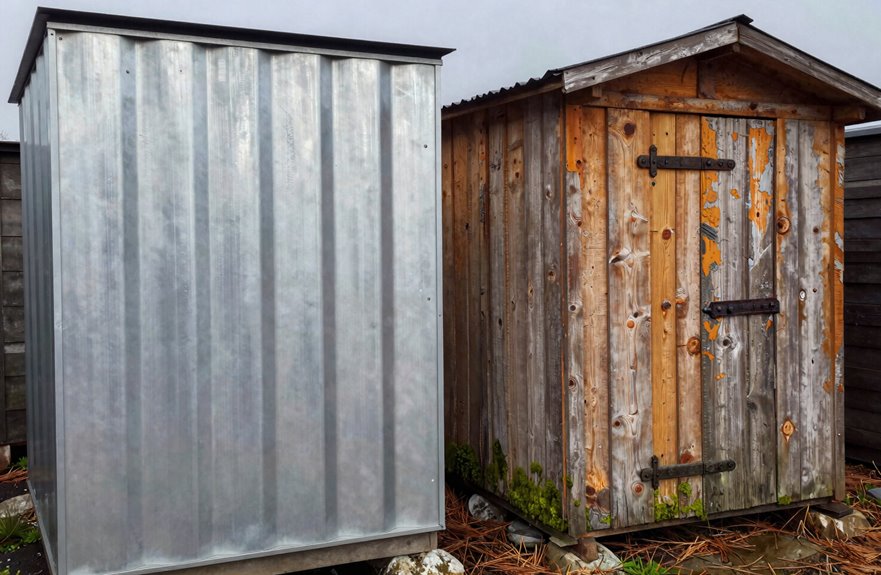
Where do you begin when choosing between metal and wood? Start by considering your climate, as it significantly influences the decision.
Metal sheds offer excellent rot resistance and keep pests out with minimal effort. However, in humid conditions, watch for corrosion. Proper sealing and good elevation can mitigate these issues, allowing for easier maintenance.
Wood sheds are visually appealing, but they require more attention. Ongoing sealing, pest control, and regular maintenance are necessary to prevent damage. Neglecting these tasks for even a season can lead to serious problems.
Durability depends on matching the materials to your local weather and understanding the level of upkeep you are prepared to commit to.
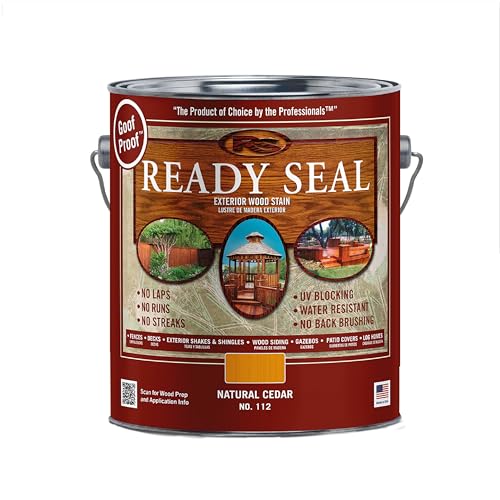
NO LAPS, RUNS OR STREAKS: Goof Proof formula with no back brushing required; ideal for exterior wood projects
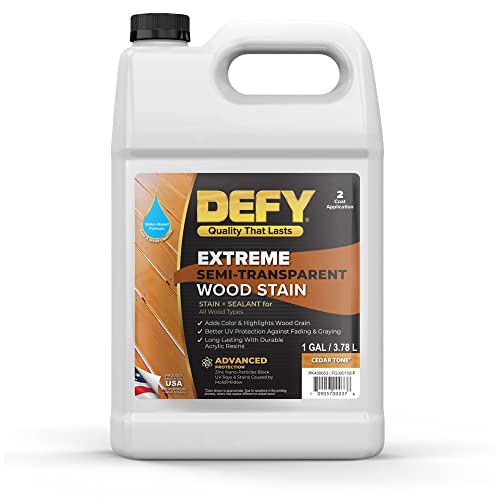
ADVANCED PROTECTION FOR OUTDOOR WOOD: DEFY Extreme wood stains offer high-performance deck stain and sealer products that prevent graying & weathering while also extending the life of exterior wood surfaces
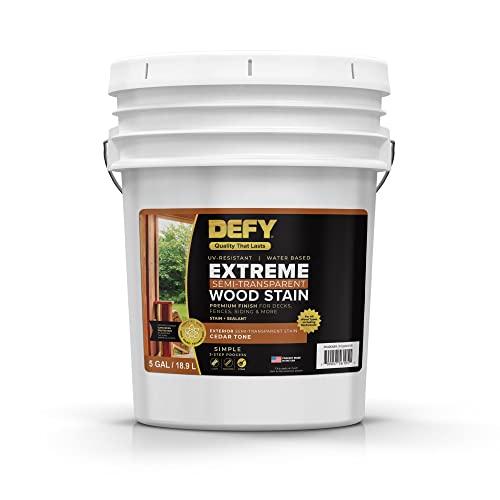
ADVANCED PROTECTION FOR OUTDOOR WOOD: DEFY Extreme wood stains offer high-performance deck stain and sealer products that prevent graying & weathering while also extending the life of exterior wood surfaces
Shed Durability Test: Rust Risk vs. Rot and Pest Damage
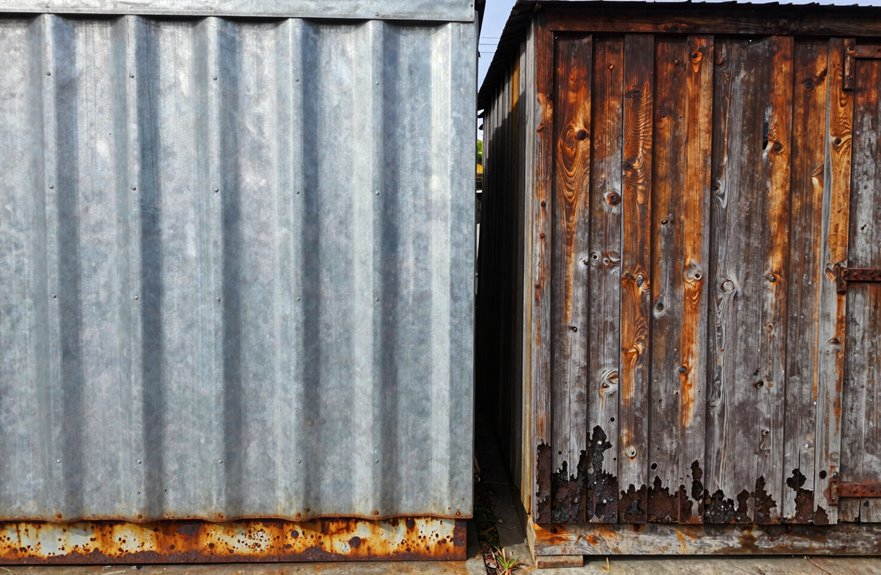
Climate influences your initial choice, but the real test of a shed is how each material withstands specific threats over time. Metal sheds resist rot and pest damage, which can slowly destroy wooden structures. However, rust can develop in areas where moisture pools, especially if coatings are scratched and expose raw steel.
Wood sheds require constant attention. Without proper sealing, they absorb moisture, leading to rot and warping that compromise structural integrity. Unprotected lumber attracts termites and carpenter ants.
Your climate significantly affects durability. In humid regions, metal sheds typically offer greater longevity, provided you take measures to prevent corrosion through elevation and regular sealing checks. Wood can also perform well, but only with diligent maintenance against moisture and pests. Choose based on the level of upkeep you can commit to.

Coats metal parts to lubricate and protect against rust and corrosion by blocking out air and moisture. Protects for up to 2 years when used indoors and for up to 1 year when used outdoors

TOUGHER THAN THE TOUGHEST RUST: Easy to use spray gel that clings to iron, steel and other metals to remove rust fast
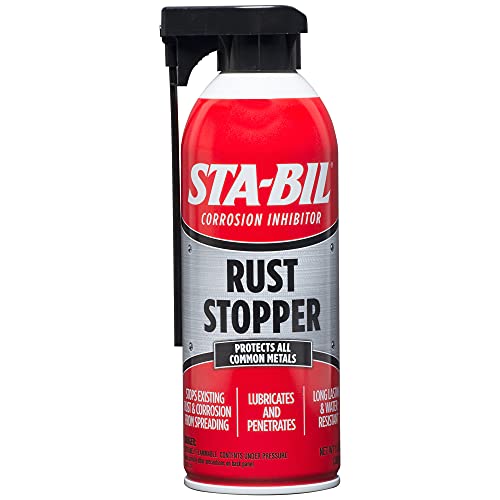
Corrosion Inhibitor - Fights the formation of rust and corrosion on exposed or painted metal surfaces while leaving behind a powerful and long-lasting protective layer
What Shed Maintenance Actually Looks Like Year to Year
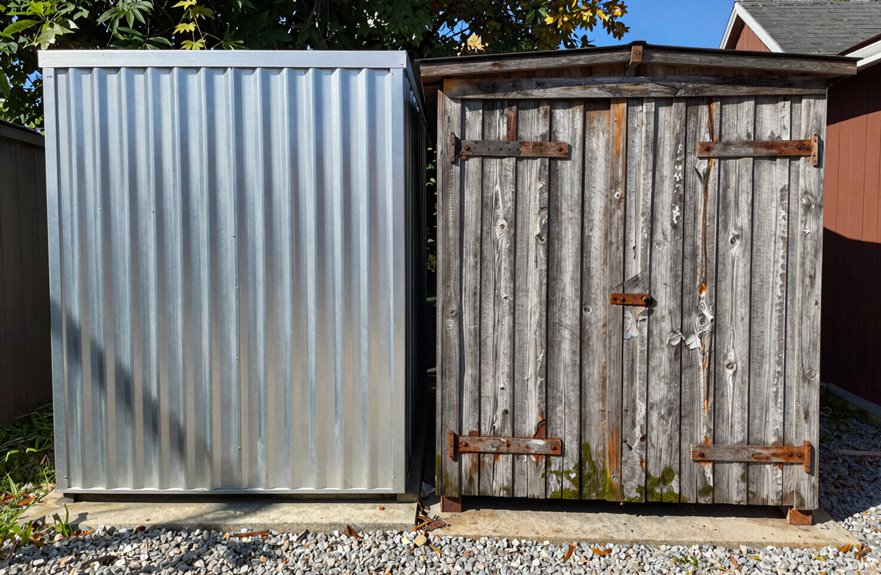
How much time can you realistically commit to upkeep? I know you’re busy, so let me break down what yearly upkeep actually demands between these two options.
| Task | Wood | Metal Sheds |
|---|---|---|
| Sealing/Painting | Every 2-3 years | Rarely needed |
| Pest/Rust Checks | Monitor for pests, rot | Inspect for rust, corrosion |
| Weatherproofing | Ongoing repainting, sealing | Occasional wash, touch-ups |
Wood requires regular maintenance. I deal with rot, manage pests, and focus on weatherproofing through constant repainting. This can take a significant amount of time if you want your weekends free. Metal sheds offer a different experience. I do not need to seal them, forget about repainting, and simply check for rust annually. Consider whether you prefer continuous chores or straightforward ownership.
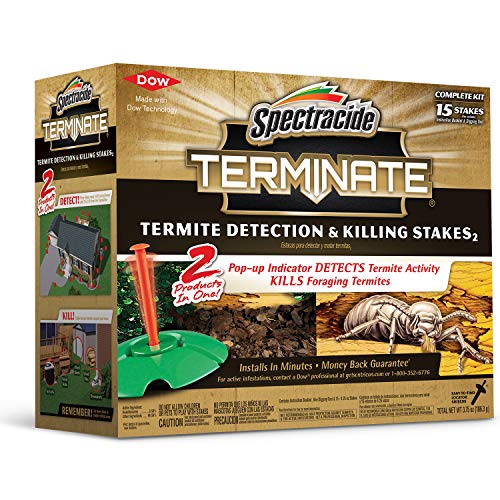
Two termite products IN one: pop-up indicators detect termite activity, and the stakes kill foraging termites

TWO TERMITE PRODUCTS IN ONE: Pop-up indicators detect termite activity, and the stakes kill foraging termites.
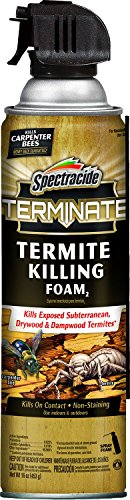
FOAMING AEROSOL: Expands into areas such as voids and channels in damaged wood, behind veneers and in cracks and crevices
Metal Shed Cost Savings and When They’re Worth It
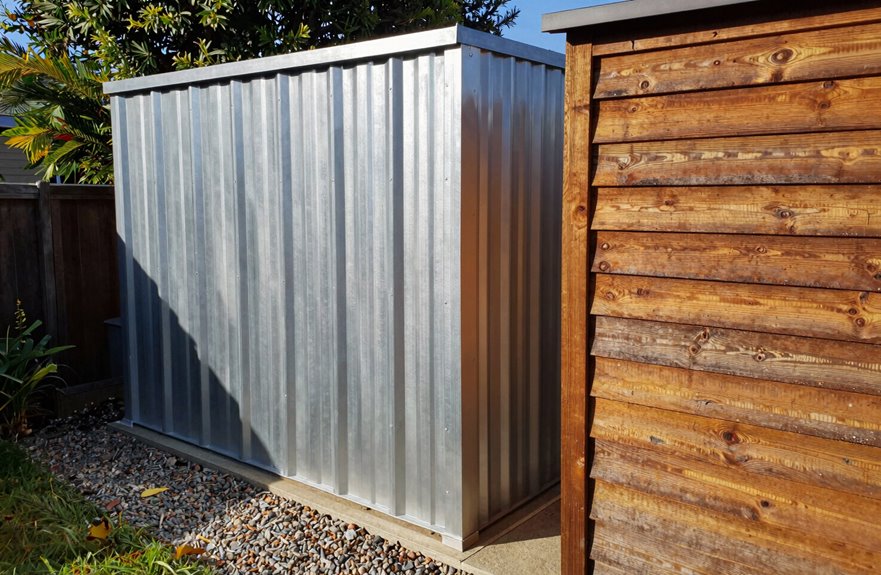
Why do I keep recommending metal sheds when friends ask? I’ve learned where the smart money goes, and I want to share that insight.
Metal sheds provide cost savings through lower material costs and significantly reduced installation time. Prefabricated kits are game-changers. I’ve seen wood sheds drain budgets with higher material costs, extended build schedules, and steep labor costs. Meanwhile, my metal setup was simple to assemble over a weekend.
Metal sheds slash costs with cheaper materials and faster assembly—my weekend setup versus wood’s budget drain.
Total cost is more important than the initial price. Wood requires ongoing maintenance—sealing, painting, and pest treatments. The budget-friendly metal option allows our crew to spend Saturdays together, not staining siding.
For straightforward storage needs, metal sheds are the better choice. We all have better places for our money and time. Consider joining the trend toward simplicity.

【High Quality Material】Outdoor shed floor mat is made of high-quality felt material, which has excellent water and oil absorption functions. Bottom is a sturdy and wear-resistant waterproof PE backing, providing anti-seepage protection. Providing protection for valuable equipment and shed floors to prevent rusting. Ensure that storage space is in a dry state for a long time

【High-Quality Materials】This outdoor shed floor mat is made from premium felt material, offering excellent water and oil absorption. The bottom features a durable, abrasion-resistant, waterproof PE backing that provides leak-proof protection. It safeguards your valuable equipment and shed floor from rust, ensuring your storage space stays dry for the long term.
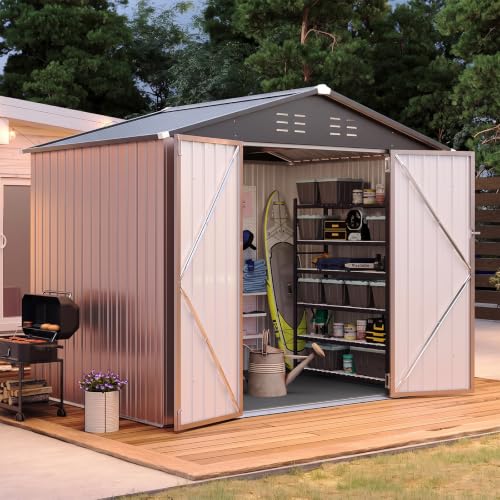
Quality Floor Frame & Galvanized Steel Construction: Crafted with thick galvanized steel panels and reinforced structural engineering, this metal shed delivers exceptional durability. The anti-rust powder-coated surface combined with a 12mm interlocking plastic floor ensures 360° moisture resistance while maintaining floor flatness. In addition, the floor supports a load-bearing capacity of 82 pounds per cubic foot, making it easy to hold heavy machinery
Customizing Your Shed: Why Wood Wins (and Metal Catches Up)
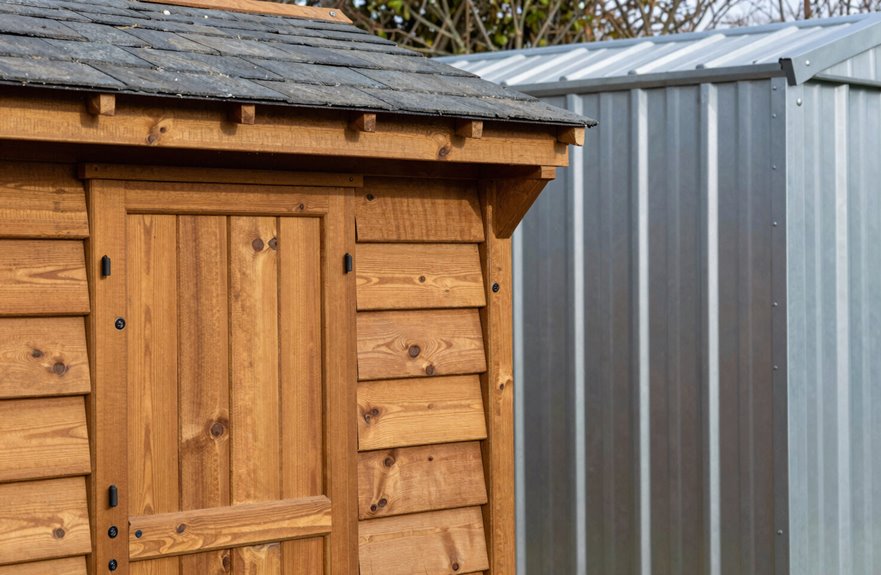
I’ve praised metal for saving money and weekends, but when my neighbor wanted a shed that matched her craftsman bungalow, I pointed her toward wood. Wood sheds offer unbeatable customization for those craving a sense of place and pride.
- Build custom shelving and lofts that actually fit your gear.
- Shift your interior layout whenever life changes.
- Make on-site modifications without factory parts.
- Apply any painting or stain to match your home’s aesthetic.
- Enjoy real design flexibility that metal cannot provide.
The trade-off in the metal vs. wood debate is that this design flexibility demands more maintenance. You’ll need to seal, repaint, and stay vigilant with pest prevention. While metal is catching up with newer color options, for a truly bespoke space that feels personal, wood is the better choice.

Hybrid Construction – Combines [Fir Wood Framework] + [Metal Panels] , this outdoor storage cabinet ensures long-lasting durability while withstanding outdoor elements

【STURDY & ANTI-DENT STRUCTURE】 Tired of flimsy sheds that dent easily? Our outdoor storage cabinet is crafted from 0.8mm thickened galvanized steel, providing superior impact resistance compared to standard 0.5mm models. The reinforced metal frame ensures long-term stability in your backyard or garage without warping.
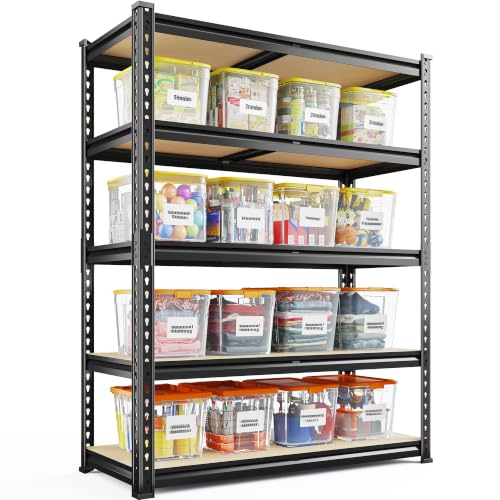
【Space-Smart Design – Fits Where You Need It, Holds What You Carry】Measured at 72"H×35.5"W×11.9" D, this garage shelving features a tailored depth that fits common items perfectly. Young car owners, DIY hobbyists, and senior tool collectors often run into sizing troubles: overdeep frames block walkways, while shallow racks let bins hang over edges. Designed to hold hand tools, paint cans, and plastic totes flush without gaps, it makes the most of vertical space for easy access